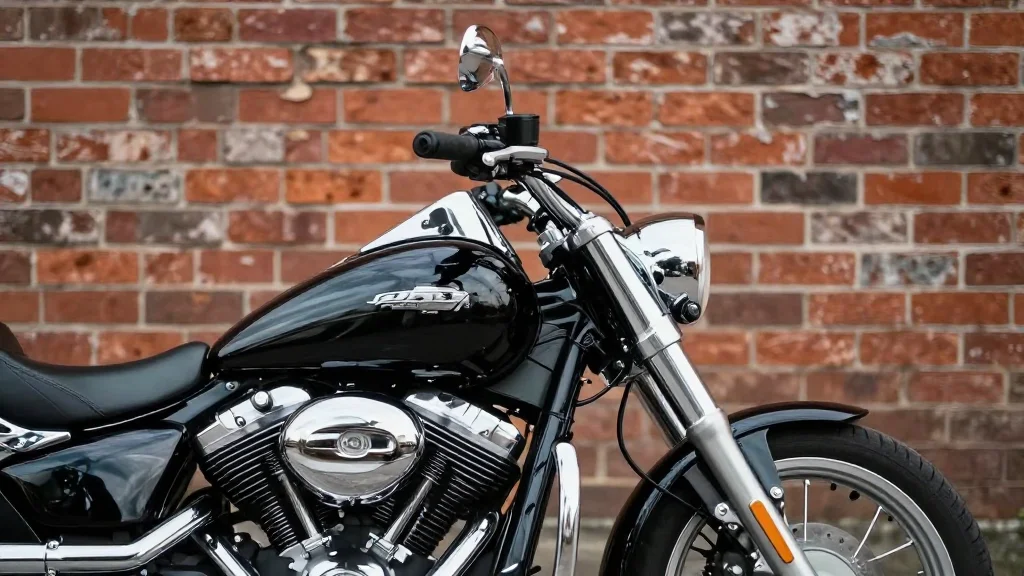
Harley-Davidson Launches 'Back to the Bricks' Plan, Targets $350M Profit by 2027

Companies Mentioned
Why It Matters
The "Back to the Bricks" plan marks a decisive shift in Harley-Davidson's management philosophy, moving from a legacy‑focused, high‑margin model to a volume‑driven, dealer‑centric approach. By targeting a broader price spectrum, the company hopes to attract younger and more price‑sensitive riders, a demographic that has been elusive for the brand. Successful execution could revitalize the dealer network, improve cash conversion, and set a template for legacy manufacturers confronting aging customer bases. If Harley can deliver the $350 million profit target while cutting $150 million in costs, it would demonstrate that mature brands can reinvent themselves without sacrificing core identity. The outcome will influence how other heritage manufacturers—automakers, apparel firms, and equipment makers—design turnaround strategies that balance brand equity with market expansion.
Key Takeaways
- •Harley-Davidson launches "Back to the Bricks" plan focusing on $13,000 entry bikes.
- •Targets over $350 million profit from motorcycles by 2027 and $150 million in cost cuts.
- •First‑quarter revenue fell 12% to $1.17 billion; net income down 81% to $25 million.
- •Bank of America raises price target to $32, citing brand momentum and new strategy.
- •Dealer profitability to double by 2026, with a second doubling aimed for 2029.
Pulse Analysis
Harley-Davidson's strategic pivot is a textbook case of legacy brand rejuvenation through price‑tier diversification. Historically, the company relied on affluent, older riders purchasing high‑margin touring models. That model has eroded as younger consumers gravitate toward more affordable, versatile motorcycles. By introducing the Sprint and other sub‑$15,000 models, Harley is not merely adding a low‑cost line; it is reactivating its dealer network as a growth engine. Dealers, long viewed as cost centers, are now positioned as profit multipliers, with explicit targets to double earnings within three years. This shift aligns incentives across the distribution chain, a move that could accelerate inventory turnover and improve dealer cash flow.
From a financial perspective, the $350 million profit ambition represents roughly a 30% uplift over the current contribution margin of the motorcycle segment. Achieving this while delivering $150 million in cost reductions will require disciplined execution of restructuring initiatives, likely including supply‑chain optimization and workforce rationalization. The BofA forecast of a 66% year‑over‑year increase in shipments for Q4 2026 suggests that the market may respond positively to the lower price point, provided the brand maintains its perceived authenticity.
The broader implication for the management community is clear: heritage brands cannot rely solely on brand nostalgia. They must embed operational agility into their DNA, leveraging dealer relationships, cost discipline, and targeted product segmentation. Harley-Davidson's gamble will be closely watched; success could validate a playbook for other mature manufacturers facing demographic headwinds, while failure would reinforce the risks of diluting a premium brand identity.
Harley-Davidson Launches 'Back to the Bricks' Plan, Targets $350M Profit by 2027
Comments
Want to join the conversation?
Loading comments...