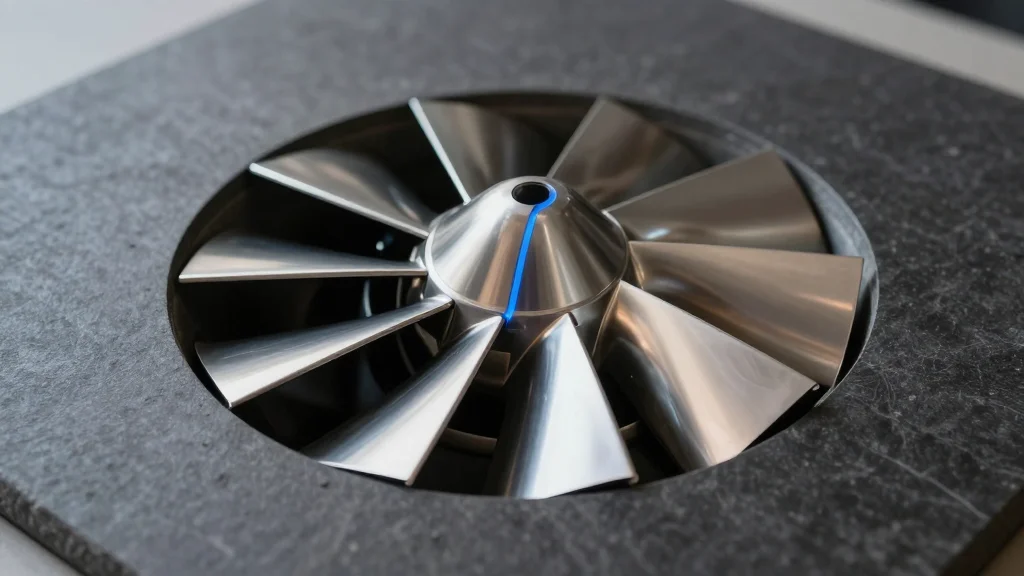
Honeywell Splits Into Two Public Companies, Creating Honeywell Technologies and Honeywell Aerospace

Companies Mentioned
Why It Matters
The Honeywell split creates two pure‑play entities that can pursue market‑specific strategies without the drag of a diversified conglomerate. For investors, separate financial reporting will make it easier to assess the profitability of automation versus aerospace, potentially leading to more accurate valuations. For customers, the focused companies may accelerate product innovation, as each can allocate R&D budgets directly to its core market. In the broader management landscape, the move underscores a growing belief that large industrial firms achieve higher shareholder returns by shedding non‑core assets and sharpening governance. The split also raises questions about how shared services—such as procurement, IT, and compliance—will be disentangled, a process that could set precedents for future corporate break‑ups.
Key Takeaways
- •Honeywell will spin off its aerospace unit on June 29, 2026, creating Honeywell Technologies (ticker HON) and Honeywell Aerospace (ticker HONA).
- •The company's brand value, estimated at $18 billion, will be allocated between the two new firms.
- •Honeywell's stock rose 2.1% following the announcement, indicating investor optimism.
- •Vimal Kapur and Jim Currier provided quotes emphasizing the strategic focus of each new brand.
- •Investor days are scheduled for June 3 (Aerospace) and a later date for Technologies to detail post‑spin‑off plans.
Pulse Analysis
Honeywell’s decision to split mirrors a wave of de‑consolidation among legacy industrial giants, where investors reward clarity of purpose and transparent performance metrics. By carving out a pure‑play aerospace business, Honeywell positions itself to capture the $1.2 trillion aviation market’s shift toward electrification and autonomous flight—segments that demand deep, focused R&D investment. Meanwhile, Honeywell Technologies can double‑down on the burgeoning automation‑to‑autonomy transition, a trend driven by manufacturers seeking to reduce labor costs and improve operational efficiency.
The market reaction—a 2.1% share price uptick—suggests that analysts view the split as a value‑unlocking maneuver rather than a defensive retreat. However, the success of the spin‑off will hinge on execution. The two entities must negotiate the division of shared assets, retain key talent, and maintain supply‑chain continuity, especially as Honeywell Aerospace continues to serve defense customers like Merritronix. Any misstep could erode the anticipated earnings uplift.
Looking ahead, the separate tickers will likely attract sector‑specific investors: automation funds may gravitate toward Honeywell Technologies, while aerospace‑focused funds could pile into HONA. This segmentation could also intensify competition, as each company now competes directly with specialized peers rather than relying on the breadth of a conglomerate. In sum, the split offers a clear test case for whether focused industrial firms can out‑perform diversified ones in a capital‑intensive, technology‑driven era.
Honeywell Splits Into Two Public Companies, Creating Honeywell Technologies and Honeywell Aerospace
Comments
Want to join the conversation?
Loading comments...