How Moshi Moshi Got Ahead of the Middle East Crisis
Companies Mentioned
Why It Matters
The move demonstrates how agile supply‑chain tactics can preserve profitability amid geopolitical shocks, positioning Moshi Moshi to outpace rivals in a tightening Thai retail market.
Key Takeaways
- •Accelerated stock orders in March locked in pre‑war prices, avoiding margin squeeze
- •Q1 revenue rose 17.3% to THB 982.4 M (≈US$30.7 M), profit up 22.4%
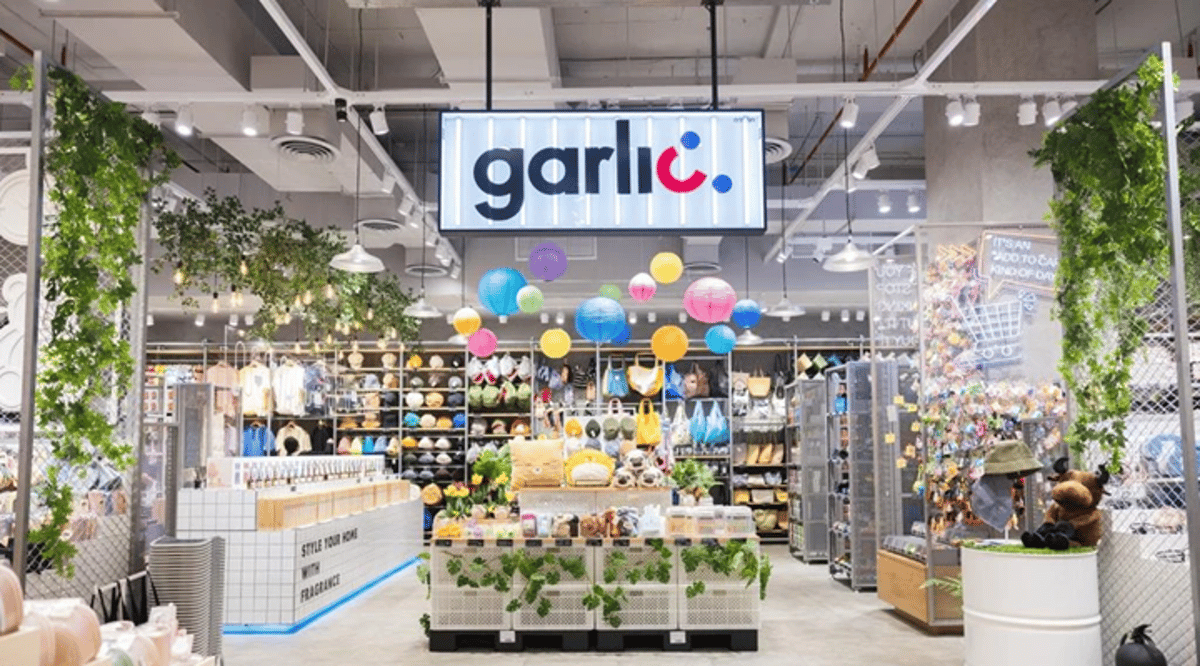
- •Store count hit 207, +35 YoY, targeting 35 more openings in 2026
- •New freestanding format aims at university campuses and younger shoppers
- •Wholesale revenue fell 9.1% due to reduced Middle‑East tourist traffic
Pulse Analysis
Moshi Moshi’s rapid response to the Middle East crisis underscores a broader shift in retail supply‑chain management. By accelerating orders in early March and securing goods at pre‑conflict prices, the chain insulated its gross margin—now 56.3%—from the freight‑cost spikes that have rattled peers. This pre‑emptive stance mirrors a growing emphasis on real‑time risk monitoring, where retailers use predictive analytics to hedge against geopolitical volatility before it materialises in the balance sheet.
Financially, the Thai retailer delivered a robust Q1, with operating revenue climbing 17.3% to roughly US$30.7 million and net profit up 22.4% to US$6.0 million. The expansion of its footprint—207 stores across 76 provinces, a 35‑store increase year‑over‑year—feeds a relentless product pipeline of 1,000 new SKUs each month. A US$7 million allocation for new outlets and another US$7 million for a second warehouse signal confidence in scaling both mall‑based and freestanding concepts, especially on university campuses where the 13‑35 core demographic can be deepened.
Yet the outlook is tempered by macroheadwinds. A dip in Middle‑East tourist traffic shaved 9.1% off wholesale revenues, while domestic tourism is now seasonal, centered on festivals like Songkran. Competitive pressure mounts from Chinese entrants and regional players such as Singapore’s Oh! Some. Nonetheless, Moshi Moshi’s strategic focus on high‑margin imported goods, a diversified SKU mix, and a US$14 million investment in store upgrades and logistics equips it to navigate a softening economy and capture a share of Thailand’s projected 9.6% social‑commerce growth, estimated at US$15.2 billion by 2026.
How Moshi Moshi got ahead of the Middle East crisis
Comments
Want to join the conversation?
Loading comments...