How to Implement Scrum in Non-Software Industries: A Step-by-Step Guide
Why It Matters
Adopting Scrum in non‑software settings accelerates decision‑making, improves cross‑departmental collaboration, and delivers faster value to customers, giving firms a competitive edge in rapidly changing markets.
Key Takeaways
- •Scrum can boost agility across manufacturing, marketing, HR
- •Small cross‑functional teams (≤9) improve communication and speed
- •Leadership endorsement accelerates cultural shift to iterative work
- •Sprint cycles of 1–4 weeks drive rapid feedback loops
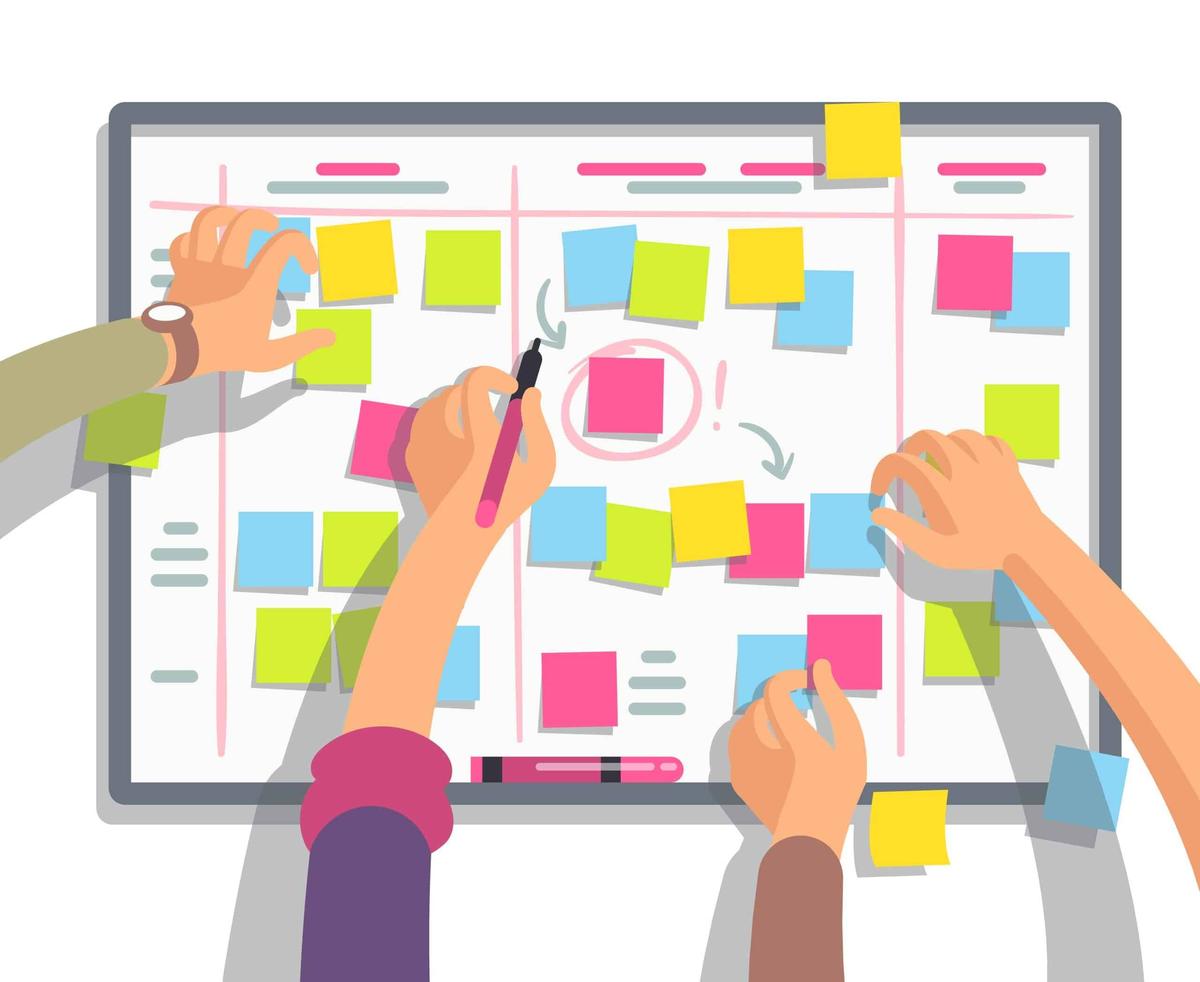
- •Kanban boards visualize tasks, enhancing transparency and metric tracking
Pulse Analysis
Agile frameworks have long been synonymous with software development, but the updated Scrum Guide signals a strategic shift. By codifying practices that prioritize people over rigid processes, Scrum becomes a universal language for any organization seeking flexibility. This broader applicability aligns with the growing demand for rapid product cycles and customer‑centric innovation across industries ranging from consumer goods to financial services. Companies that adopt Scrum early can leverage its iterative cadence to respond to market fluctuations faster than competitors still anchored in waterfall‑style planning.
Successful rollout hinges on three pillars: change management, leadership commitment, and team design. Executives must champion the transition, translating Scrum’s value proposition into concrete business outcomes—such as reduced time‑to‑market and higher employee engagement. Simultaneously, forming small, cross‑functional squads ensures diverse expertise converges on shared goals, while clearly defined roles (Product Owner, Scrum Master, Development Team) eliminate ambiguity. A well‑groomed backlog and disciplined sprint planning create a predictable rhythm, allowing teams to test assumptions, gather feedback, and iterate without costly rework.
The payoff extends beyond operational efficiency. Visible work items on Kanban boards foster transparency, while sprint metrics provide actionable insights for continuous improvement. Over time, this cultivates a culture where experimentation is rewarded and failure is treated as a learning opportunity. As more non‑tech firms report measurable gains—shorter project cycles, higher stakeholder satisfaction, and stronger alignment with strategic objectives—Scrum is poised to become a cornerstone of modern enterprise transformation.
How to Implement Scrum in Non-Software Industries: A Step-by-Step Guide
Comments
Want to join the conversation?
Loading comments...