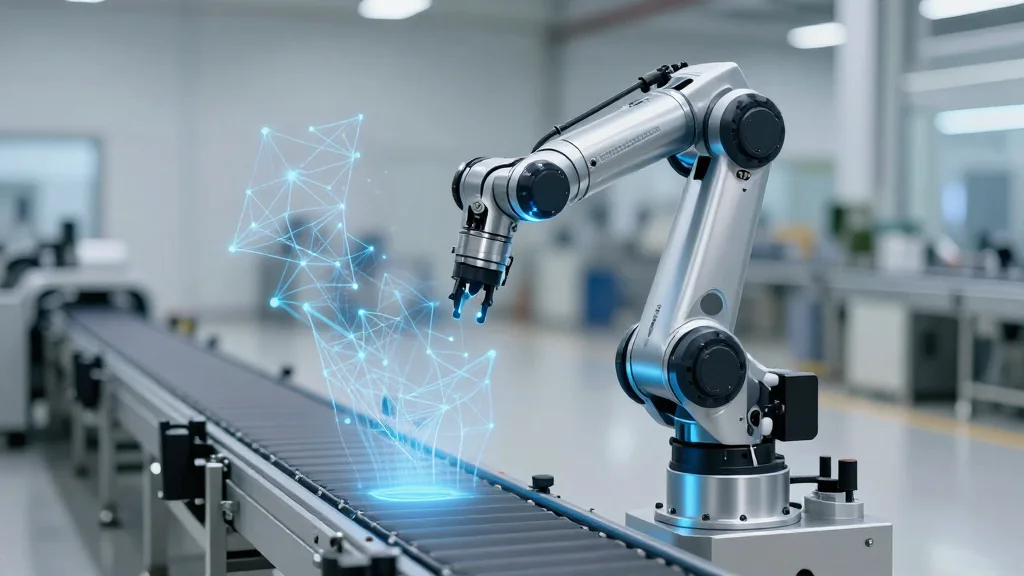
LG Electronics Rolls Out End‑to‑end Smart‑factory Platform, Touts 17% Productivity Lift

Companies Mentioned

Why It Matters
The smart‑factory announcement signals a broader transition from capital‑heavy, siloed production lines to software‑defined, data‑rich manufacturing ecosystems. For CEOs and plant managers, the promise of a single vendor delivering end‑to‑end design, implementation and ongoing renewal reduces the complexity of juggling multiple technology partners. It also offers a clearer path to meet tightening carbon‑emission mandates, as AI‑driven optimization can cut energy waste and improve yield. In the competitive arena, LG’s move challenges traditional industrial‑automation incumbents and positions the consumer‑electronics giant as a serious player in the enterprise‑software market. If the platform scales as projected, it could reshape procurement strategies, with more firms allocating budget to subscription‑based intelligence services rather than one‑off equipment purchases.
Key Takeaways
- •LG’s smart‑factory suite draws on 70 years of experience operating 60+ factories worldwide.
- •770 TB of manufacturing data underpins AI models that drive automation and quality improvements.
- •Productivity rose 17% at Changwon plant; defect rates fell 61% and test‑cycle time cut 22% at Tennessee site.
- •Both sites earned "Lighthouse Factory" status, a benchmark for advanced manufacturing.
- •Orders from external customers have accelerated since the 2024 market launch, spanning automotive to battery sectors.
Pulse Analysis
LG’s foray into turnkey smart‑factory services reflects a strategic pivot from pure hardware to a hybrid hardware‑software model, mirroring moves by Samsung and Apple in other domains. The company’s deep factory footprint gives it a rare data advantage; 770 TB of operational data is a moat that few rivals can quickly replicate. This data advantage translates into more accurate AI models, which in turn deliver the headline productivity and quality gains cited.
From a management perspective, the platform reduces the friction of integrating disparate automation tools. Historically, manufacturers have assembled a patchwork of PLCs, SCADA systems and third‑party analytics, each with its own integration overhead. LG’s promise of a single, end‑to‑end contract—from consulting to renewal—could streamline governance, lower total cost of ownership, and accelerate ROI, making it attractive to CFOs under pressure to justify capex.
However, the success of this model hinges on execution at scale. The pilot results are impressive, but replicating a 60% automation level across varied legacy plants will test the flexibility of LG’s software stack and its ability to manage change resistance among plant staff. Moreover, competition from established industrial‑automation firms, which already have entrenched relationships and proven reliability, will intensify as the market matures. LG’s next test will be whether it can convert early adopters into long‑term subscription revenue and whether its data‑centric approach can adapt to emerging standards around data sovereignty and cybersecurity.
If LG can sustain its growth trajectory, the smart‑factory platform could become a cornerstone of its services revenue, offsetting margin pressure in the consumer‑electronics segment and positioning the company as a leader in the next wave of digital manufacturing transformation.
LG Electronics rolls out end‑to‑end smart‑factory platform, touts 17% productivity lift
Comments
Want to join the conversation?
Loading comments...