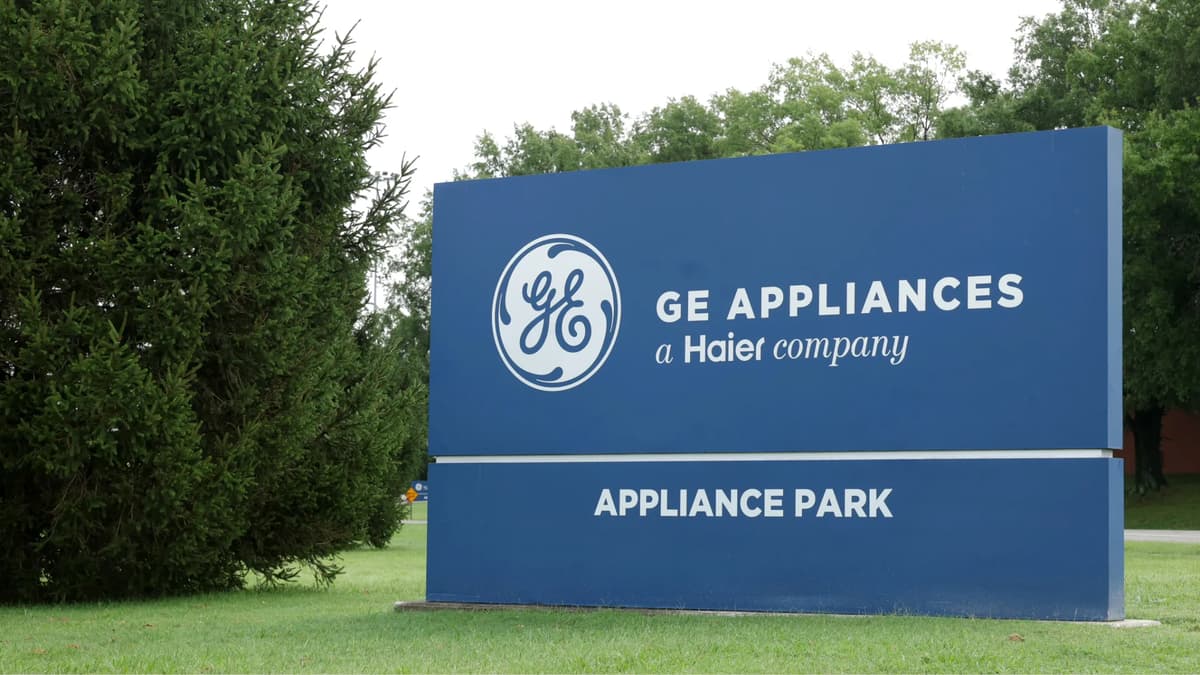
Most Companies Are Moving Production Overseas—Here’s Why 1 Is Coming Back
Why It Matters
The reshoring effort boosts U.S. manufacturing employment and signals confidence in domestic supply chains, while giving Haier a competitive edge in a market increasingly focused on local production and advanced automation.
Key Takeaways
- •GE Appliances shifts washer production from China to Louisville
- •800 jobs created by reopening Building 2
- •$490 million invested in smart factory with advanced robotics
- •Part of Haier’s $6.5 billion U.S. reshoring plan
Pulse Analysis
Reshoring has become a strategic priority for many multinational firms as trade tensions, logistics bottlenecks, and consumer demand for locally made goods intensify. GE Appliances’ decision to move washer production back to the United States illustrates how legacy brands are leveraging their heritage assets to meet these pressures. By converting a dormant 1950s plant into a high‑tech "smart factory," the company not only cuts lead times but also showcases the latest in robotics and IoT‑enabled manufacturing, positioning itself at the forefront of the next wave of industrial innovation.
The Louisville facility, known as Building 2, represents a $490 million capital outlay that will revitalize a 900,000‑square‑foot space previously idle for over a decade. The project will generate approximately 800 jobs, ranging from skilled robotics technicians to assembly line workers, and will produce front‑load washers and washer‑dryers for GE’s portfolio of brands. Advanced automation will enable flexible production runs, reducing inventory costs and allowing rapid response to shifting consumer preferences. This investment underscores Haier’s broader commitment to modernizing its U.S. footprint and delivering products that meet American quality expectations.
For the broader industry, GE Appliances’ move signals a turning point in the offshore‑offshore narrative that has dominated the past two decades. Haier’s $6.5 billion reshoring roadmap, initiated in 2013, reflects confidence that domestic manufacturing can be cost‑competitive when paired with cutting‑edge technology. As other OEMs observe the economic and branding benefits of U.S. production, we may see a cascade of similar projects, reshaping supply chains, strengthening regional economies, and reinforcing America’s position as a hub for advanced manufacturing.
Most Companies Are Moving Production Overseas—Here’s Why 1 Is Coming Back
Comments
Want to join the conversation?
Loading comments...