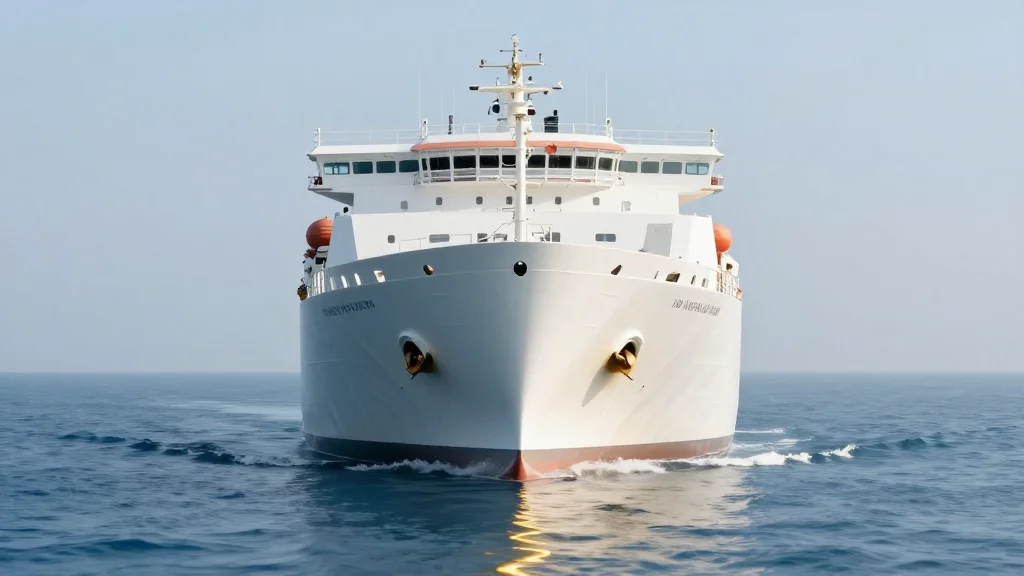
Pan Ocean Beats Q1 Forecasts with 24% Profit Rise on LNG and Tanker Gains

Why It Matters
Pan Ocean’s Q1 performance highlights the competitive advantage of disciplined fleet management and diversified business models in the volatile shipping industry. By leveraging real‑time utilization data and aligning operations with higher‑margin segments, the carrier demonstrates how management practices can directly boost profitability. The firm’s ESG focus also signals a shift toward sustainability as a core component of operational strategy, influencing how investors evaluate shipping companies. For the broader management community, Pan Ocean’s results serve as a case study in using KPI‑driven performance monitoring to navigate cyclical markets, allocate capital efficiently, and mitigate risk through portfolio diversification. The outcomes may prompt peers to reassess their own asset mixes and invest in analytics platforms that enable rapid response to market signals.
Key Takeaways
- •Operating profit rose 24.4% YoY to 140.9 bn won ($95.8 m).
- •Sales increased 8.3% YoY to 1.51 tn won ($1.03 bn), beating forecasts.
- •Tanker profit jumped 41.5% to 28.1 bn won; LNG profit up 49.7% to 47.2 bn won.
- •Container profit fell 42.9% amid freight‑rate oversupply.
- •Pan Ocean pledged continued ESG management and portfolio expansion.
Pulse Analysis
Pan Ocean’s earnings beat is a textbook example of how strategic diversification can insulate a shipping firm from seasonal headwinds. Historically, carriers that rely heavily on bulk or container volumes suffer pronounced earnings volatility when freight rates swing. By expanding its LNG fleet—a segment benefiting from long‑term contracts and higher utilization—Pan Ocean has created a more resilient revenue base. The 49.7% profit surge in LNG underscores the payoff of investing in specialized vessels that can command premium freight rates, especially as global demand for cleaner fuels accelerates.
The company’s KPI‑centric approach, evident in its ability to reallocate capacity quickly, reflects a broader managerial shift toward data‑enabled decision‑making. Real‑time tracking of vessel performance, fuel consumption, and market pricing allows Pan Ocean to prioritize higher‑margin voyages, a practice that is likely to become standard as digital twins and AI analytics mature in the maritime sector. Moreover, the explicit ESG messaging aligns operational goals with investor expectations, positioning the firm to attract capital that increasingly favors sustainability‑linked assets.
Looking forward, the key challenge will be maintaining growth as the LNG market faces its own supply‑demand dynamics and as regulatory pressures tighten emissions standards. Pan Ocean’s next steps—further fleet modernization, deeper ESG integration, and perhaps strategic alliances—will determine whether its current momentum can translate into sustained market share gains. Competitors that lag in diversification or ESG adoption may find themselves squeezed by both market cycles and stakeholder scrutiny, reinforcing the strategic imperative of proactive management in the shipping industry.
Pan Ocean Beats Q1 Forecasts with 24% Profit Rise on LNG and Tanker Gains
Comments
Want to join the conversation?
Loading comments...