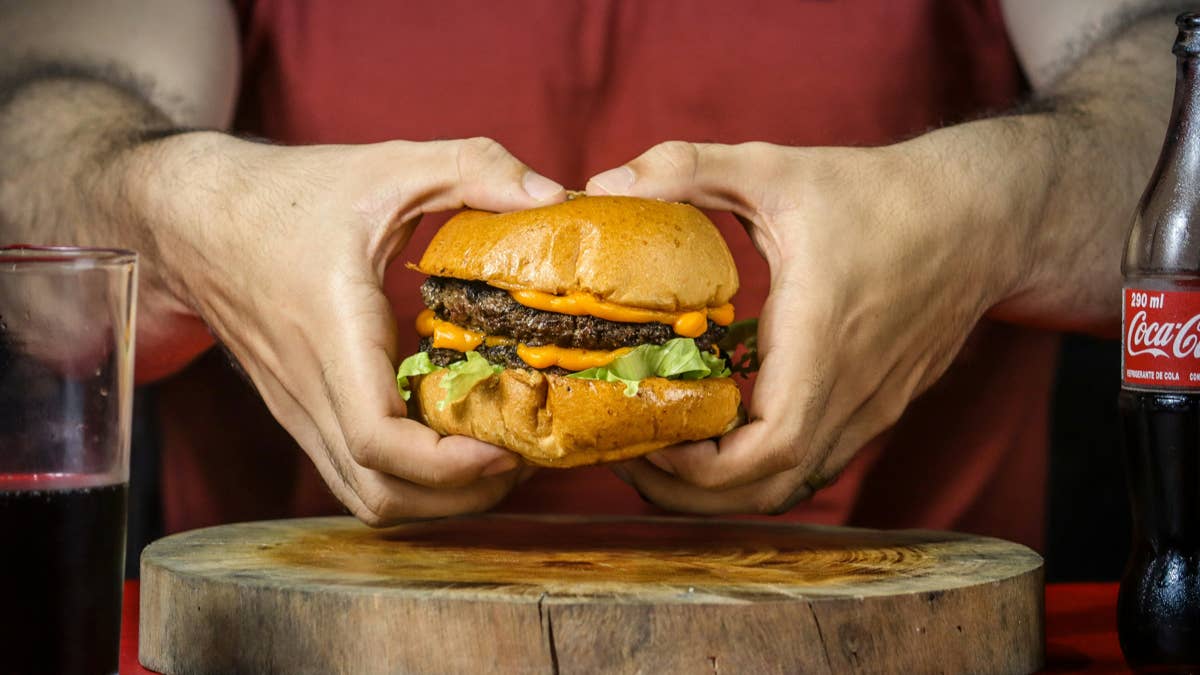
Popular Fast-Casual Chain Cuts Jobs Amid Store Closures
Companies Mentioned

Why It Matters
The shutdown highlights how premium fast‑casual concepts are vulnerable to cost pressures and shifting consumer spending, signaling potential earnings strain for similar brands. Investors and operators must reassess pricing and expansion strategies amid a market correction.
Key Takeaways
- •Five Guys closing four California stores, cutting 55 jobs
- •Closures driven by rising labor, rent, and price pressure
- •Premium fast‑casual brands squeezed as $25 meals deter consumers
- •Wendy’s, Pizza Hut, and others also plan massive store closures
- •Youth fast‑food intake stays high, but daily calorie share falls
Pulse Analysis
The fast‑casual segment has long relied on a blend of quality ingredients and a price premium over traditional quick‑service chains. Yet the last two years have seen labor wages climb dramatically, especially after California’s $20 minimum wage mandate for restaurant workers, while commercial rents in urban corridors have surged. Combined with inflation‑driven menu price hikes, operators now face a cost structure that erodes margins faster than revenue can grow. For brands like Five Guys, whose business model hinges on fresh, higher‑priced offerings, the financial calculus has become increasingly precarious.
Five Guys’ decision to shutter four California outlets—Whittier, City of Industry, Merced and Hanford—eliminates 55 positions ranging from crew members to general managers. The closures underscore a broader consumer backlash against the $25 price tag for a burger, fries and drink, a ceiling that many diners deem excessive for a fast‑casual experience. As customers gravitate toward value‑oriented meals or home cooking, premium chains risk losing foot traffic, forcing them to either absorb costs or pass them onto price‑sensitive patrons.
The ripple effect extends beyond Five Guys. Industry giants such as Wendy’s, Pizza Hut, Papa John’s and Jack in the Box have disclosed multi‑hundred‑store closure plans for 2026, reflecting a sector‑wide correction. Investors should monitor how these brands adjust their menus, labor strategies, and real‑estate footprints to preserve profitability. Meanwhile, emerging concepts may find opportunities by targeting niche markets with lower overhead or by innovating cost‑efficient supply chains, reshaping the competitive landscape of American fast food for the coming decade.
Popular fast-casual chain cuts jobs amid store closures
Comments
Want to join the conversation?
Loading comments...