Reducing “Work About Work” With AI Task Managers
Why It Matters
Reducing administrative friction directly boosts execution speed and employee satisfaction, giving firms a competitive edge in fast‑moving tech environments. The shift also provides leaders with actionable productivity data for better resource allocation.
Key Takeaways
- •AI creates tasks from voice or chat, eliminating manual entry
- •Smart prioritization suggests realistic deadlines based on user behavior
- •Automated reminders generate status summaries, cutting meeting overhead
- •Analytics dashboard provides real‑time productivity insights for managers
Pulse Analysis
In data‑first organizations, the hidden cost of "work about work"—status meetings, ticket updates, and endless Slack threads—can erode up to a third of a team's capacity. This administrative load not only slows project velocity but also saps morale, as employees spend more time documenting progress than delivering it. Traditional task boards force constant context switching, turning collaboration platforms into bottlenecks rather than accelerators.
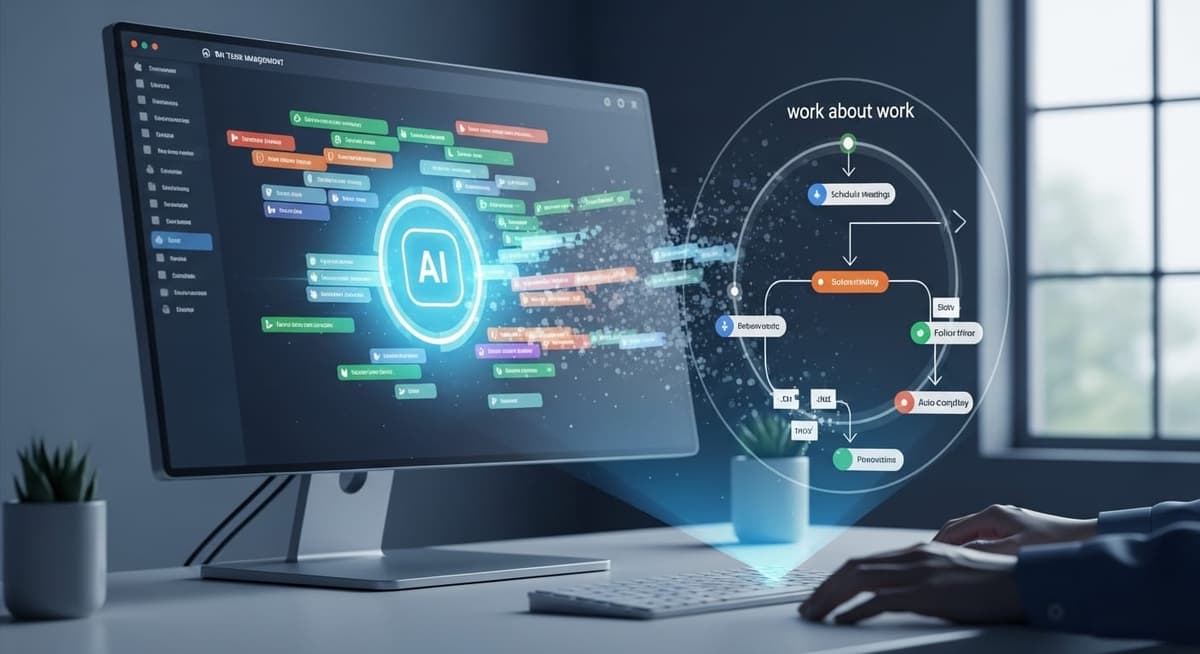
Enter AI‑enhanced task managers, which embed directly into the tools teams already use. By parsing natural‑language commands from voice assistants, chat messages, or emails, the AI instantly generates structured tasks, assigns owners, and proposes deadlines that reflect historical performance. Smart grouping algorithms surface dependencies and reprioritize work in real time, while automated reminders and concise status briefs replace many recurring meetings. The result is a seamless workflow where the planning layer operates in the background, allowing engineers, analysts, and developers to stay in the flow of code, queries, or model building.
The broader market impact is twofold. First, organizations that adopt AI task managers can reallocate significant headcount hours toward revenue‑generating initiatives, sharpening their competitive posture. Second, the analytics layer delivers continuous visibility into workload distribution, bottlenecks, and team health—data that senior leaders can leverage for strategic staffing and budgeting decisions. As vendors integrate deeper with platforms like Slack, Teams, and Jira, the differentiator will be the ability to reduce friction without sacrificing governance, making AI task management a cornerstone of modern, high‑velocity tech operations.
Reducing “Work About Work” with AI Task Managers
Comments
Want to join the conversation?
Loading comments...