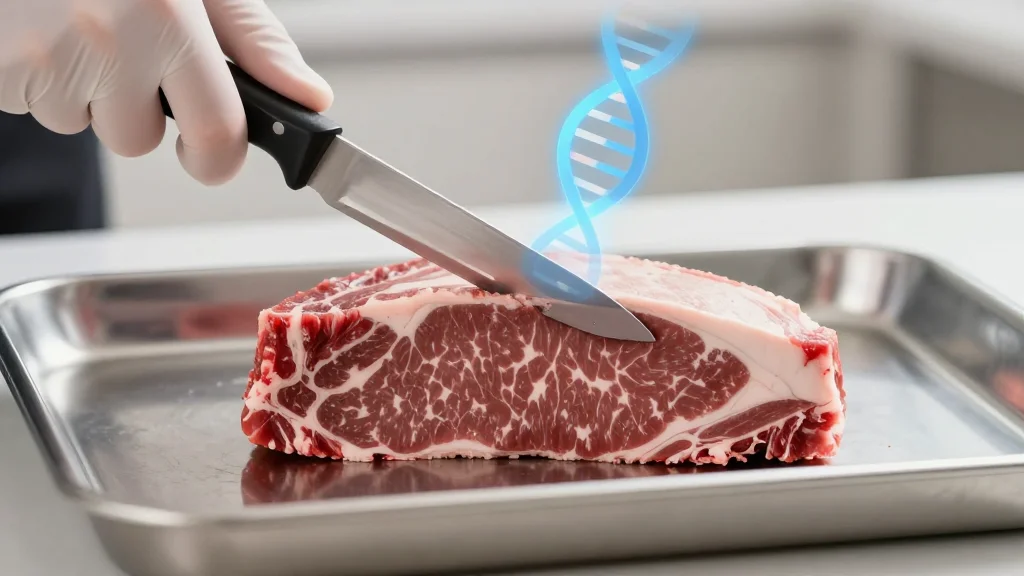
US Meat Animal Research Center in Nebraska Awarded New Project
Why It Matters
Bringing research capacity back to Nebraska strengthens local agricultural innovation and aligns federal resources with on‑the‑ground producers, while the DC‑to‑Iowa shift consolidates food‑safety expertise in the Midwest.
Key Takeaways
- •USDA adds one research project and 10 staff to USMARC
- •Senator Fischer praises relocation for Nebraska farmers and ranchers
- •USDA moves 200 food safety jobs from DC to Iowa
- •Prior 2025 layoffs impacted 17 USMARC employees
- •Project aims to bring research closer to field operations
Pulse Analysis
The USDA’s latest reorganization reflects a growing trend among federal agencies to decentralize research functions and embed expertise within key agricultural regions. By allocating a new project and ten positions to USMARC, the agency signals confidence in Nebraska’s livestock sector, which accounts for a sizable share of U.S. beef and pork production. Proximity to farms and ranches enables scientists to conduct field‑based trials, accelerate data collection, and translate findings into actionable recommendations for producers, thereby enhancing productivity and animal welfare.
Meanwhile, the relocation of approximately 200 Food Safety and Inspection Service roles from Washington, D.C., to the National Food Safety Center in Urbandale, Iowa, consolidates critical expertise in a state renowned for its grain and livestock industries. This move aims to streamline coordination between food‑safety regulators and the supply chain, fostering faster response times to contamination events and more cohesive policy development. The shift also underscores the USDA’s strategy to reduce overhead in the capital while leveraging regional talent pools.
For Nebraska’s farming community, the USMARC expansion offers tangible economic benefits, including new jobs and increased research funding that can spur local innovation. It also mitigates the impact of the 2025 layoffs, restoring confidence among the workforce. On a national level, these adjustments illustrate how the USDA is rebalancing its resources to better serve both producers and consumers, positioning the United States to maintain its competitive edge in global meat markets.
US Meat Animal Research Center in Nebraska awarded new project
Comments
Want to join the conversation?
Loading comments...