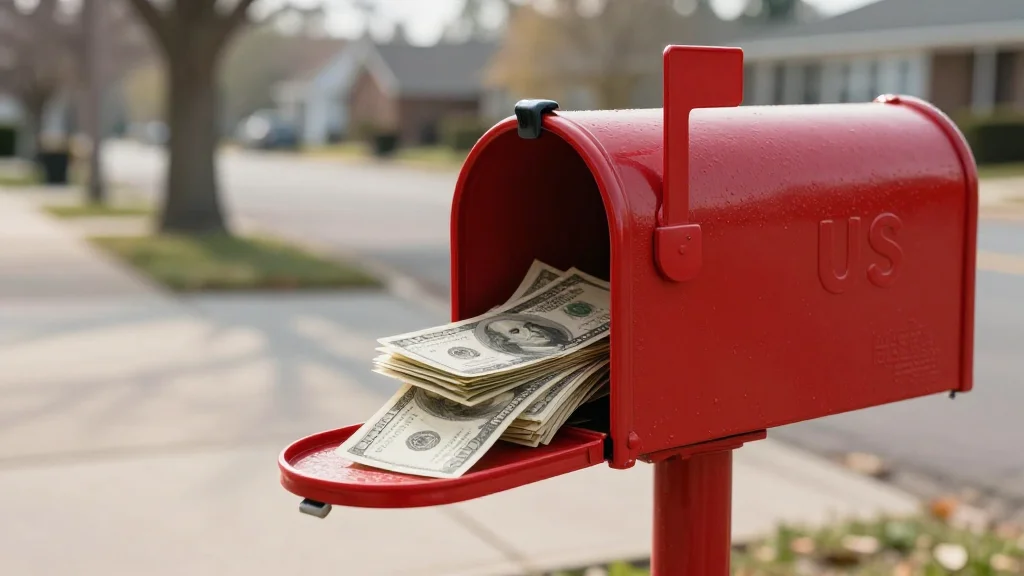
USPS Halts Pension Contributions, Proposes 4‑Cent Stamp Hike to Preserve Liquidity

Why It Matters
The USPS is the last remaining universal service provider in the United States, delivering mail to every address at a uniform price. Its financial health directly affects millions of workers, retirees, and businesses that depend on affordable shipping. By suspending pension contributions, the agency is trading short‑term fiscal stability for potential long‑term pension funding risks, a balance that could set precedents for other government‑run enterprises facing similar cash constraints. The proposed stamp hike, while modest, signals a willingness to shift more cost onto consumers, raising questions about the future affordability of a service historically viewed as a public good. Furthermore, the borrowing‑cap debate highlights a broader policy tension: whether the USPS should remain a self‑financing entity or receive a more robust safety net from Congress. The outcome will shape the agency’s ability to invest in modernization, maintain six‑day service, and compete with private logistics firms.
Key Takeaways
- •USPS will temporarily suspend employer contributions to FERS annuities, freeing $2.5 billion.
- •The agency proposes raising the Forever stamp from 78¢ to 82¢, a four‑cent increase.
- •Officials warn the USPS could run out of cash by February 2027 without additional funding.
- •Postmaster General David Steiner seeks to raise the borrowing cap from $15 billion to $34.5 billion.
- •Labor leader Brian Renfroe calls the pension pause "not ideal" but acknowledges the financial reality.
Pulse Analysis
The USPS’s decision to halt pension contributions is a classic example of a cash‑flow crisis forcing a legacy organization to prioritize immediate liquidity over long‑term obligations. Historically, the agency has used similar stop‑gap measures—most notably the 2011 deferral—yet each episode erodes confidence among retirees and legislators. By freeing $2.5 billion, the USPS buys time, but the underlying cost structure remains unsustainable: $10 billion in retirement expenses, a borrowing cap that limits debt financing, and a declining mail volume base.
The modest 4‑cent stamp increase is unlikely to close the funding gap on its own; at current volume, a four‑cent hike would generate roughly $200 million annually, a fraction of the $2.5 billion shortfall. However, it serves a symbolic purpose, signaling to regulators and Congress that the agency is willing to use its pricing authority to address cash needs. The real lever remains the borrowing‑cap increase, which would allow the USPS to issue debt at market rates, potentially unlocking $20 billion‑plus in financing. If Congress approves the cap raise, the agency could avoid more drastic service cuts and invest in automation and digital services that could stabilize revenue streams.
In the broader management context, the USPS case underscores the tension between public‑service mandates and financial discipline. Companies in regulated industries often face similar dilemmas, but the USPS’s unique status—no tax subsidies for operations, a statutory universal service obligation, and a politically fraught governance structure—makes its path to solvency especially complex. The upcoming regulatory review and congressional hearings will test whether the agency can secure the structural reforms needed to transition from crisis management to sustainable operations.
USPS Halts Pension Contributions, Proposes 4‑Cent Stamp Hike to Preserve Liquidity
Comments
Want to join the conversation?
Loading comments...