Warehouse Upgrades That Pay Off: Where to Invest First
Why It Matters
These improvements directly lower operating expenses, boost throughput, and enhance supply‑chain reliability, giving firms a competitive edge in an increasingly cost‑sensitive market.
Key Takeaways
- •Optimize layout to shorten travel distance and reduce picking errors
- •Upgrade insulated dock doors to cut energy loss and loading delays
- •Install LED lighting for lower electricity use and maintenance costs
- •Deploy modern WMS with RFID for real‑time inventory visibility
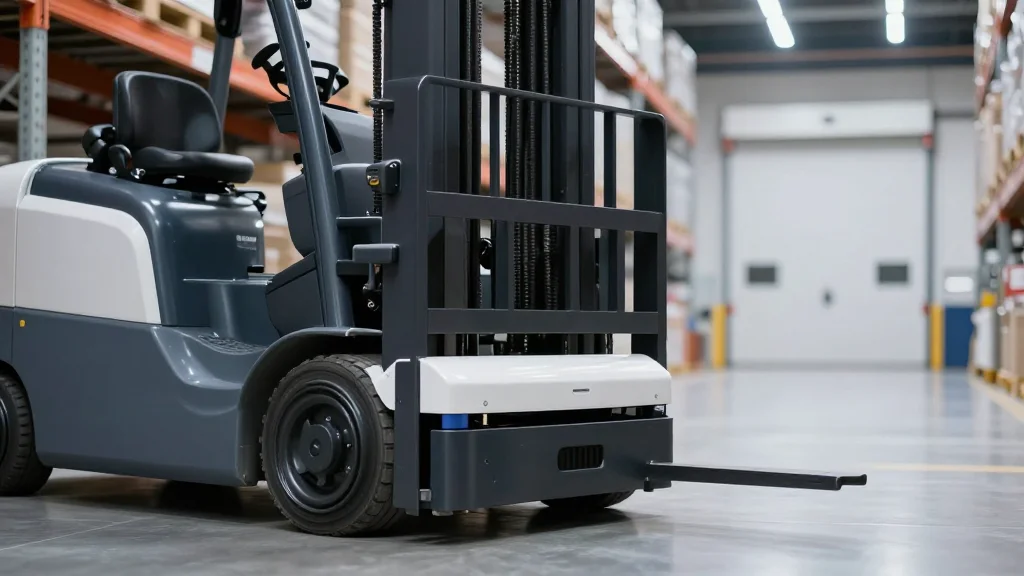
- •Replace aging forklifts with electric models to reduce fuel and emissions
Pulse Analysis
Warehouse operators are confronting tighter margins and higher customer expectations, prompting a shift from reactive fixes to strategic, data‑driven upgrades. Layout optimization tops the list because even modest re‑zoning can shave seconds off each pick, translating into measurable labor savings across millions of transactions. By mapping traffic patterns and positioning high‑velocity SKUs near packing stations, firms eliminate bottlenecks without costly structural renovations, a tactic that aligns with lean‑manufacturing principles and supports rapid scaling.
Energy efficiency and equipment reliability are the next levers of value. Insulated commercial doors and precision dock seals not only accelerate loading cycles but also curb HVAC loads, delivering a double‑digit percentage reduction in utility bills. LED lighting, paired with motion sensors, further trims electricity consumption while improving visibility, which directly lowers picking errors and workplace injuries. Meanwhile, electric forklifts and smart conveyors reduce fuel spend, emissions, and maintenance downtime, positioning warehouses for sustainability mandates and future‑proofing operations against stricter environmental regulations.
The digital backbone—modern warehouse management systems—ties these physical upgrades together. Real‑time inventory tracking via RFID or barcode scanners eliminates stock‑outs and excess holding costs, while seamless integration with ERP and sales platforms streamlines order fulfillment and financial reporting. Safety upgrades, such as guardrails and clear pedestrian pathways, protect the workforce and mitigate liability, reinforcing the bottom line. Together, these coordinated investments create a resilient, high‑performance warehouse capable of supporting growth, improving customer satisfaction, and delivering a clear return on capital.
Warehouse Upgrades That Pay Off: Where to Invest First
Comments
Want to join the conversation?
Loading comments...