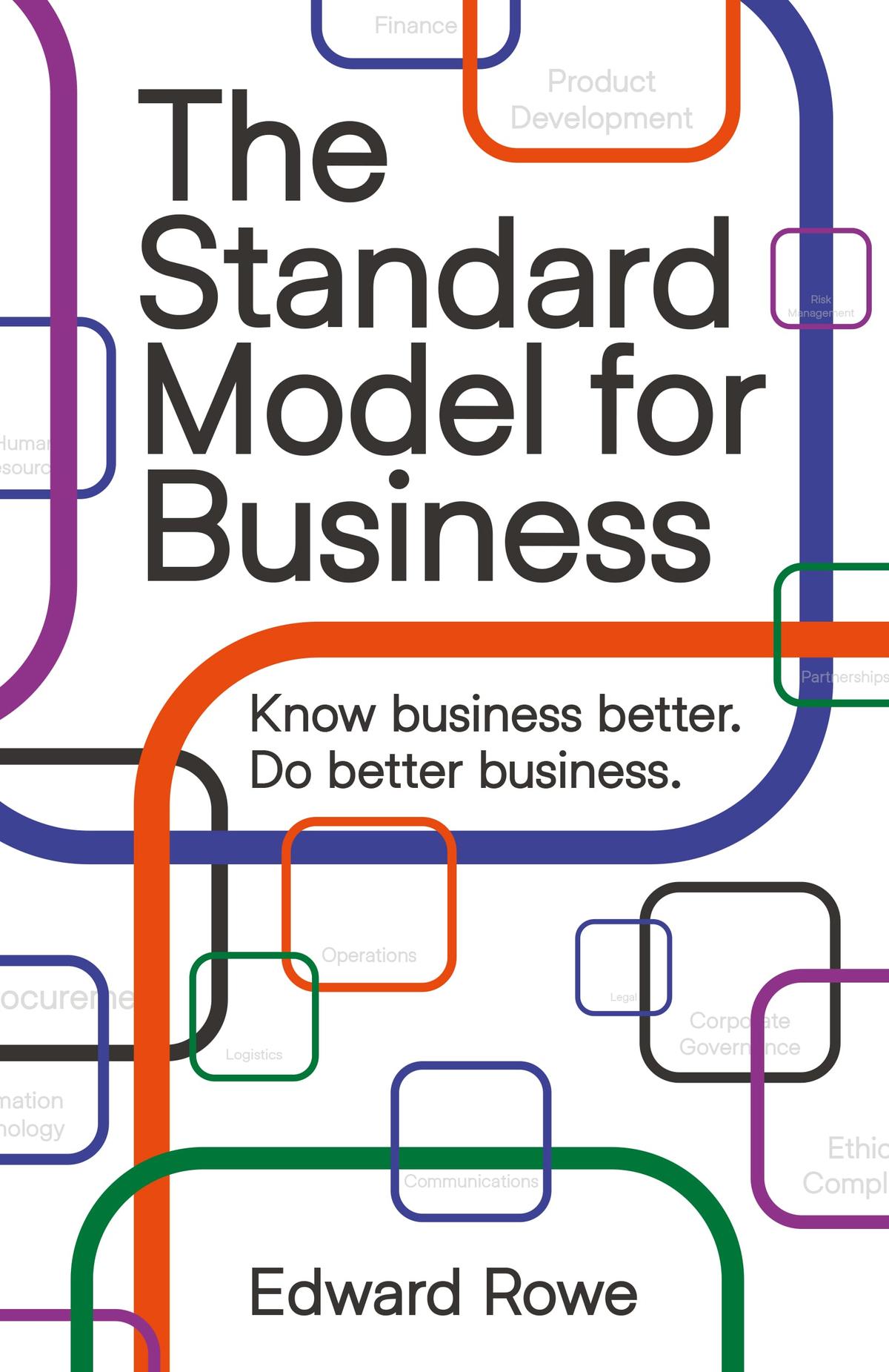
What Are the Most Important Business Functions as You Scale? Using the Standard Model for Business
Why It Matters
Understanding which functions to prioritize at each growth phase helps leaders allocate resources wisely and avoid the operational breakdowns that often derail fast‑growing firms. Integrated, mature capabilities also boost investor confidence and protect long‑term profitability.
Key Takeaways
- •Operations and product drive early-stage survival, not just sales
- •Finance shifts to strategic role as revenue outpaces profitability
- •HR builds culture and leadership capacity for teams over 100
- •Technology becomes core infrastructure, enabling data, automation, security
- •Governance and risk must mature early to avoid costly retrofits
Pulse Analysis
Scaling a company is a systemic challenge that goes beyond revenue targets. Early‑stage firms often pour energy into sales and product innovation while neglecting the operational backbone needed to deliver consistently. When demand spikes, weak fulfillment, quality lapses, and deteriorating customer experience can quickly erode brand equity. Recognizing that product development and day‑to‑day operations are the first line of defense equips founders to build a resilient platform before chasing larger market share.
As the organization grows, finance transforms from a bookkeeping function into a strategic command center. Rapid hiring, expanding technology stacks, and longer cash conversion cycles create hidden financial pressures that can squeeze margins despite rising sales. A mature finance team provides real‑time visibility, robust forecasting, and scenario analysis, enabling leadership to make informed decisions about pricing, capital allocation, and cost control. Simultaneously, human resources evolves to safeguard culture, develop leadership pipelines, and standardize performance management, preventing the fragmentation that often accompanies headcount surges.
Technology and governance round out the scaling equation. Modern IT is no longer a back‑office support role; it underpins data integrity, automation, cybersecurity, and digital workflows that drive efficiency across all departments. Parallelly, proactive governance—encompassing legal, risk, and procurement—creates the accountability framework required for regulatory compliance and stakeholder trust. The ultimate lesson is that no single function can deliver scale alone. Leaders must foster cross‑functional integration, aligning sales, operations, finance, HR, IT, and governance into a cohesive system that can adapt to increasing complexity while sustaining growth momentum.
What are the most important business functions as you scale? Using the Standard Model for Business
Comments
Want to join the conversation?
Loading comments...