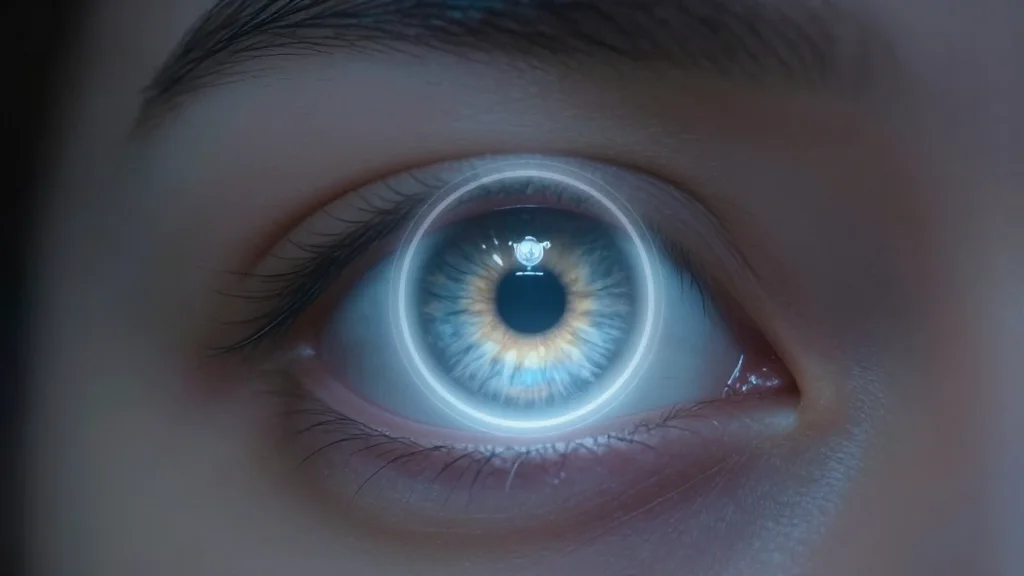
Zoom Adds World ID Biometric Verification to Curb Deepfake Fraud in Meetings

Companies Mentioned

Why It Matters
The partnership signals a shift in how remote‑work tools address identity assurance, moving from reactive detection to proactive verification. For managers, this means a new operational control point that can be baked into meeting policies, audit trails, and risk‑management frameworks. If biometric verification proves effective, it could set a new industry baseline, prompting broader regulatory scrutiny and possibly spurring standards for digital identity in virtual collaboration. Companies that fail to adopt comparable safeguards may face heightened exposure to deep‑fake fraud and related compliance penalties.
Key Takeaways
- •Zoom integrates World’s Deep Face biometric verification, displaying a "Verified Human" badge in meetings.
- •Deepfake fraud cost businesses over $200 million in Q1 2025, with average incident loss exceeding $500,000.
- •World reports ~18 million verified users and 1,500 active Orb scanners across 160 countries.
- •Hosts can enable a Deep Face waiting room; participants can request verification mid‑call.
- •Regulatory scrutiny of World’s Orb device is ongoing in Spain, Germany, the Philippines and other markets.
Pulse Analysis
Zoom’s decision to embed World’s iris‑scan verification reflects a broader trend: as synthetic media become indistinguishable from reality, traditional security controls—passwords, meeting links, and even AI‑based deep‑fake detectors—are losing their protective edge. By anchoring identity to a physical biometric, Zoom is betting that the added friction will be outweighed by the financial and reputational damage a successful deep‑fake attack can cause. Early adopters are likely to be financial services, legal firms, and multinational corporations that have already quantified deep‑fake risk in their loss models.
Historically, video‑conferencing platforms have differentiated on ease of use and integration, not on hard security guarantees. Zoom’s move could force competitors to accelerate their own identity‑verification roadmaps, potentially leading to a fragmented market where each vendor offers a proprietary biometric solution. That fragmentation may invite standards bodies—such as the FIDO Alliance or ISO—to define interoperable protocols, which would lower barriers for smaller firms and drive broader adoption.
Looking ahead, the success of Deep Face will hinge on three variables: regulatory acceptance, user enrollment rates, and the cost‑benefit calculus for enterprises. If privacy regulators clear the Orb technology, and if Zoom can streamline the enrollment experience, the feature could become a default security layer for high‑value virtual interactions. Conversely, if legal challenges stall deployment or if the friction proves too high for most users, Zoom may revert to enhancing its existing AI‑based detection suite. Either outcome will reshape how managers think about meeting governance, making biometric identity a central consideration in the next generation of remote‑work policies.
Zoom adds World ID biometric verification to curb deepfake fraud in meetings
Comments
Want to join the conversation?
Loading comments...