
Video•Mar 2, 2026
James Kellet Interview: Experience on Introducing Tech Solution Into a Traditional Industry
James Kellet discusses how a traditionally stubborn shipping sector is finally opening to technology, recounting his early attempts to replace manual Excel sheets and leather notebooks with digital tools. He notes that the industry’s reputation for being "stodgy" is rapidly changing, especially after COVID‑driven freight rate spikes gave firms the cash to invest in modern solutions. The interview highlights three forces driving this shift: soaring rates during the pandemic, a flood of venture capital branding maritime as the next AI gold rush, and the emergence of specialized firms like SpotShip that focus on applying, rather than building, cutting‑edge models. Kellet stresses that SpotShip acts as the application layer, testing and packaging AI for immediate client use, sidestepping the massive R&D costs of companies like OpenAI. Kellet cites a senior shipbroker who once refused to trust Excel, preferring a leather notebook, as a vivid example of entrenched skepticism. He also references Andreessen Horowitz’s 2024 label of shipping as one of the hottest venture sectors, underscoring the rapid influx of growth‑PE funds with maritime theses. The broader implication is a sea change for an industry long seen as low‑tech: investors now view maritime AI as a high‑growth arena, while incumbents must adopt verticalized solutions to stay competitive. Companies that can translate generic AI into ship‑specific applications stand to capture significant market share over the next decade.
By INSEAD (institutional)

Video•Feb 28, 2026
Why Culture Beats Technology | Daphne Koller
Daphne Koller, co‑founder of Coursera, argues that culture, not technology, is the primary driver of lasting organizational performance. She recounts an early interview where a senior candidate asked, “What would you like the culture here to be?” prompting her realization that...
By Big Think
Video•Feb 27, 2026
Mastering Market Leadership - Strategic Insights for Senior Managers Webinar Recording February 2026
The webinar introduced Alliance Manchester Business School’s executive education portfolio, highlighting a series of four‑day short courses designed for senior managers to sharpen leadership capabilities and earn a professional diploma in leadership. The flagship offering, "Unlocking Strategic Competitive Advantage," scheduled...
By Alliance Manchester Business School
Video•Feb 26, 2026
Should Scrum Masters Lead the Charge with AI?
The video asks who should lead AI adoption in agile organizations, suggesting Scrum Masters could fill that gap. It argues Scrum Masters are uniquely positioned to champion AI, translating technical possibilities into team practices while product owners remain focused on market‑driven...
By Scrum.org

Video•Feb 26, 2026
The FP&A Guide to Proactively Managing Spend
During a recent FP&A webinar, Paul Barnhurst and ApprovalMax’s corporate controller Rafaella Torres explained that spend problems originate from poor underlying data rather than the expenditures themselves. They highlighted how delayed visibility and incomplete inputs lead to forecast errors and...
By Paul Barnhurst

Video•Feb 26, 2026
Rebranding, Letting Go, and Other Terrifying Lawyer Decisions
The Lawyers Podcast episode focuses on how small law firms can break the "family" myth, establish measurable standards, and strategically rebrand to enable growth and eventual exit. Hosts discuss the pitfalls of vague accountability, emphasizing the need for defined job descriptions,...
By Lawyerist

Video•Feb 26, 2026
The Most Powerful AI Agent I’ve Ever Used in My Life
The video introduces "agentic AI," a new class of AI agents that can autonomously execute multi‑step workflows, unlike static chat models such as ChatGPT. Dan Martell demonstrates how to select the right agentic tools—including Claude, Gemini, Zapier, Make, Manus, and...
By Dan Martell
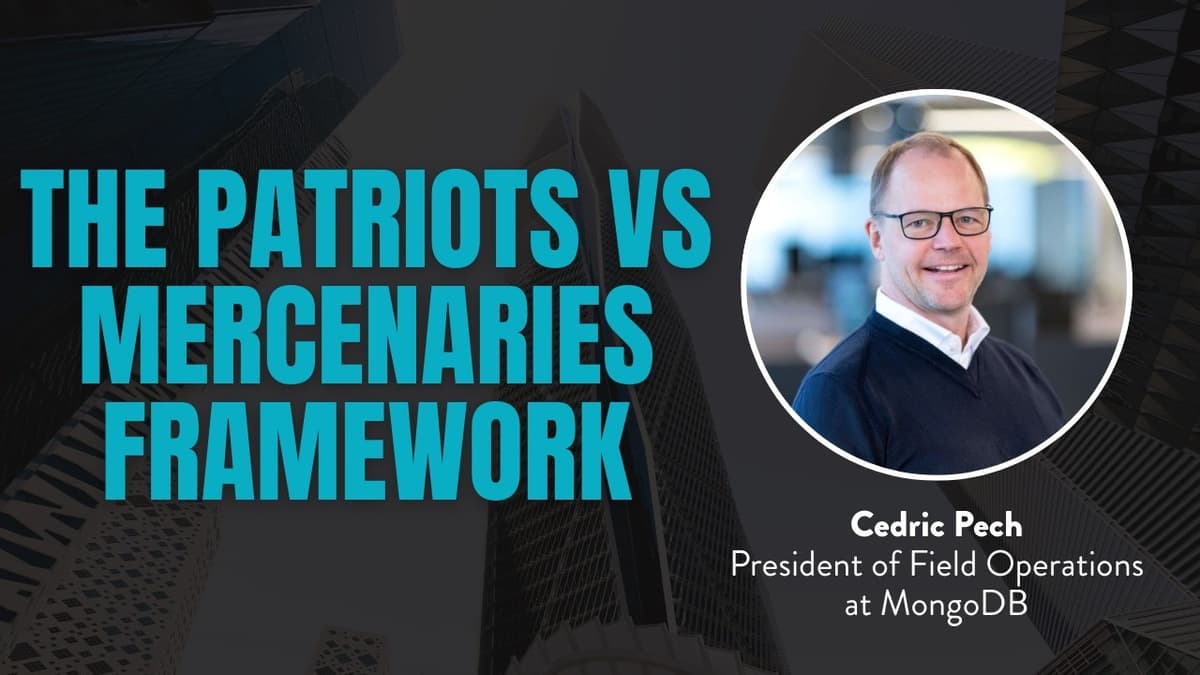
Video•Feb 26, 2026
How a French Skier Built a 2,000-Person Sales Team | Patriots vs Mercenaries with Cedric Pech
The Revenue Builders podcast revisits Cedric Pech’s journey from French downhill skier to MongoDB’s CRO, where he now oversees a 2,000‑person global sales organization spanning direct, cloud, partner and customer‑success teams across 35 countries. Pech explains that moving from a regional...
By Force Management

Video•Feb 26, 2026
Management Diaries: Rebuilding the Multifamily Maintenance Workforce | Cerwin Thompson & Avery Rouse
The Management Diaries episode spotlights a growing crisis in multifamily maintenance: an aging, retiring cohort and a new generation that often lacks the technical chops or work ethic needed for today’s increasingly complex properties. Hosts Kerwin Thompson, VP of Facilities...
By Multi-Housing News (MHN TV)

Video•Feb 26, 2026
Consulting Vs. Software: Who Wins the IT Budget War? #shorts
The IT spending landscape is rapidly shifting, with organizations allocating more budget to software solutions than to traditional consulting services. Automation and artificial intelligence are accelerating this transition, enabling enterprises to implement scalable tools without extensive human advisory. As AI-driven...
By SaaStr

Video•Feb 26, 2026
Your Best Sales Manager Can't Teach This (And Science Explains Why)
The video explains Polanyi's paradox, which states that people often know more than they can verbalize, and shows how this hidden expertise hampers sales training. Top sales managers close deals intuitively but struggle to articulate their methods, creating a knowledge...
By Victor Antonio
Video•Feb 26, 2026
The 10x Organization: Redesigning for the AI Era with Org Topologies
The podcast introduces Org Topologies as a framework for redesigning enterprises in the AI era, positioning it as a language for visualizing how value moves from concept to cash. Host Dave West and authors Alexi Kichki and Roland Flem explain...
By Scrum.org
Video•Feb 26, 2026
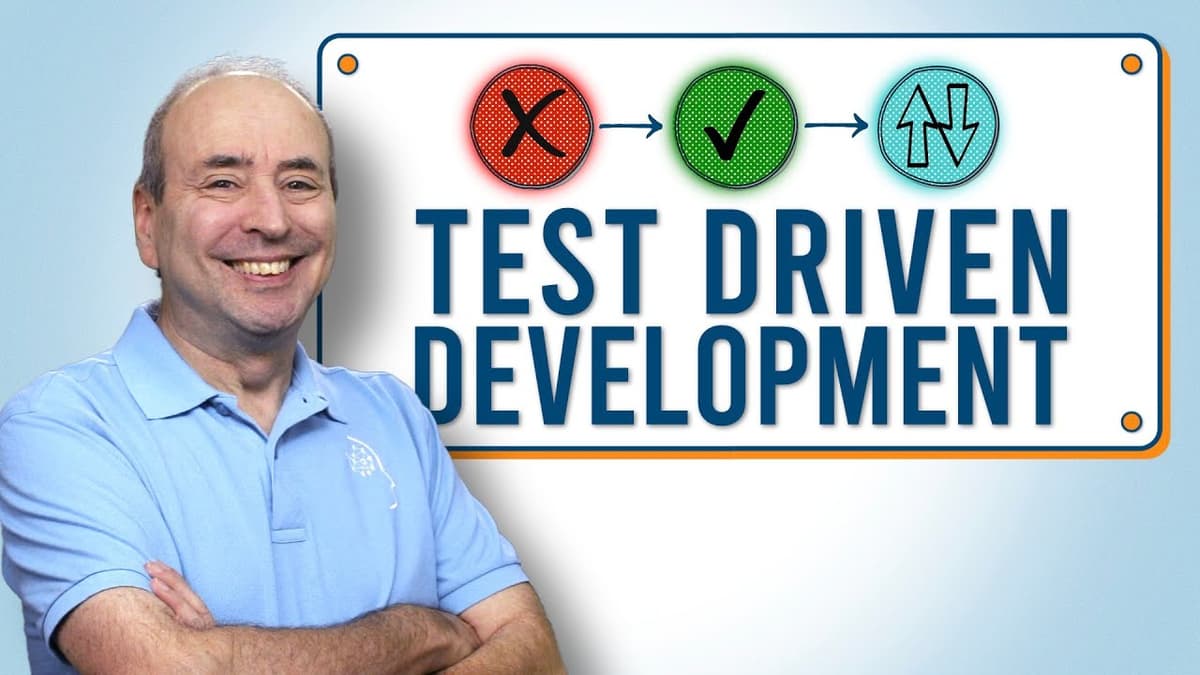
What Is Test-Driven Development? TDD Explained for PMs
The video introduces test‑driven development (TDD) as a methodology where developers write automated tests before any production code, positioning the test as the definition of done rather than a post‑hoc quality check. It walks through the classic red‑green‑refactor loop: a failing...
By Online PM Courses (Mike Clayton)

Video•Feb 25, 2026
How NASA Organized the Moonshot
The video explains how NASA’s 1958 moon‑shot was organized, focusing on the rapid creation of the agency by merging three distinct government bodies and the external consulting role McKinsey played in shaping its structure. McKinsey was tasked with turning three disparate...
By McKinsey & Company
Video•Feb 25, 2026
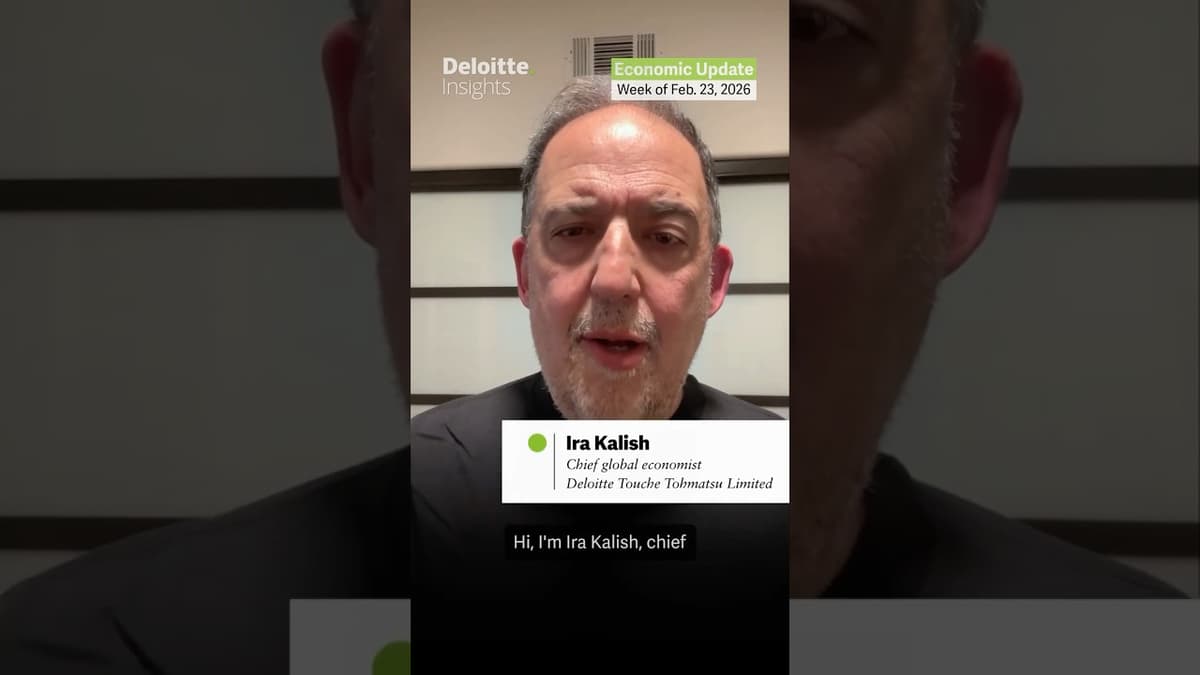
Supreme Court Tariffs Ruling and Business Impact | Economic Update | Deloitte Insights
The U.S. Supreme Court this week nullified a series of tariffs imposed under the Emergency Powers Act (EPO), ruling that the administration’s claim of a “persistent trade deficit” did not meet the legal standard for a national emergency. The decision opens...
By Deloitte Insights