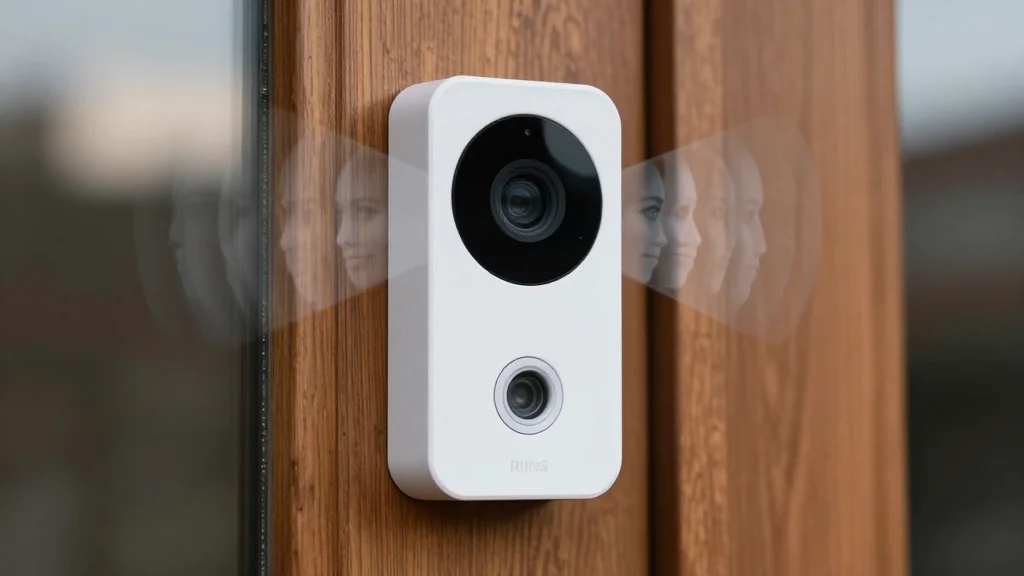
Amazon Faces $5 Million Class Action Over Ring’s ‘Familiar Faces’ AI Feature

Companies Mentioned
Why It Matters
The dispute spotlights the clash between convenience‑driven smart‑home tech and fundamental privacy rights. As AI becomes embedded in everyday devices, the legal framework governing biometric data is being tested. A ruling against Amazon could force manufacturers to redesign products to obtain explicit consent, slowing the rollout of AI features that rely on continuous facial scanning. Beyond Ring, the case could influence broader media and surveillance debates, prompting lawmakers to tighten biometric regulations and encouraging consumers to demand greater transparency. The outcome may also affect Amazon’s broader ecosystem, where Ring serves as a gateway to other data‑rich services, potentially reshaping the company’s approach to AI integration across its portfolio.
Key Takeaways
- •Class‑action filed June 1 in Seattle seeks at least $5 million for non‑customers whose faces were captured by Ring’s Familiar Faces AI.
- •Familiar Faces, launched September 2025 and activated December, scans every face in view to match against a user‑created library of up to 50 faces.
- •Amazon disabled the feature in three states with strict biometric laws, including Illinois’ BIPA, raising accusations of selective compliance.
- •Ring previously paid a $5.8 million FTC fine in 2023 for staff improperly viewing private videos.
- •If the suit succeeds, it could set a national precedent for consent requirements on AI‑driven home surveillance.
Pulse Analysis
Amazon’s Ring controversy underscores a pivotal moment for the intersection of consumer tech and privacy law. The company’s strategy—offering a powerful AI feature while allowing users to toggle it—mirrors a broader industry pattern of ‘opt‑out’ privacy controls that place the burden on consumers. Legal scholars argue that such models are increasingly untenable as biometric data becomes a regulated commodity. The selective deactivation of Familiar Faces in states with robust biometric statutes suggests a risk‑management calculus rather than a principled privacy stance.
From a market perspective, the lawsuit could ripple through the smart‑home sector, where manufacturers are racing to embed AI capabilities. If courts demand explicit consent for every facial scan, product development cycles will lengthen, and companies may need to invest heavily in user‑education and consent‑management infrastructure. This could advantage rivals that have built privacy‑by‑design frameworks from the ground up, potentially reshaping competitive dynamics.
Strategically, Amazon must balance the allure of AI‑enhanced convenience against the reputational cost of privacy backlash. The $5 million claim, while modest compared with the company’s billions in revenue, carries symbolic weight. A precedent‑setting verdict could trigger a cascade of similar actions against other IoT devices, compelling Amazon and its peers to revisit data‑handling policies, enhance transparency, and possibly lobby for clearer regulatory guidance. The outcome will likely influence how media companies, advertisers, and content platforms think about data collection at the edge of the network, reinforcing the notion that surveillance is no longer a peripheral concern but a core business risk.
Amazon Faces $5 Million Class Action Over Ring’s ‘Familiar Faces’ AI Feature
Comments
Want to join the conversation?
Loading comments...