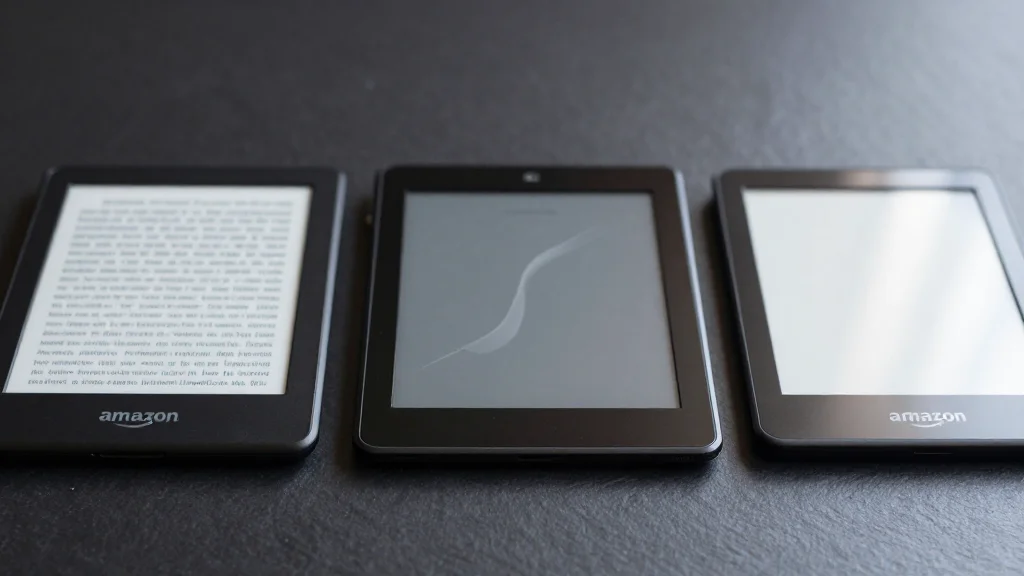
Amazon Stops Supporting Pre-2013 Kindles Today. Some Owners Turn to Jailbreaking

Companies Mentioned
Why It Matters
The move forces a large base of legacy e‑readers to either adopt workarounds or replace hardware, highlighting the risks of platform lock‑in and the growing importance of device sustainability in the digital publishing ecosystem.
Key Takeaways
- •Amazon ends store access for Kindles released before 2013
- •Users can still sideload books via USB and Calibre conversion
- •Jailbreaking restores functionality but may breach Amazon's terms of service
- •Older Kindles are repurposed as photo frames or dashboards
- •Recycling program lets owners donate or return devices free of charge
Pulse Analysis
Amazon's decision to cut Kindle Store support for pre‑2013 devices underscores a broader industry trend: manufacturers are phasing out legacy hardware to focus on newer, higher‑margin products. While the affected models—first‑generation Kindles, Kindle Touch, and the 9.7‑inch Kindle DX—have not received firmware updates for over a decade, they still hold a sizable user base. The abrupt loss of on‑device purchasing pushes owners toward alternative content sources, such as DRM‑free libraries and public‑domain repositories, and raises questions about the longevity of digital ecosystems that rely on proprietary storefronts.
In response, a niche but technically adept community is reviving these e‑readers through jailbreaking. By unlocking the firmware, users can install custom fonts, enable epub compatibility, and run third‑party reading applications, effectively extending the devices' functional lifespan. However, this practice skirts Amazon's terms of service and, depending on jurisdiction, could intersect with copyright law if users distribute pirated material. The risk of bricking the device also remains, making the process suitable only for those comfortable with troubleshooting firmware modifications.
Beyond software tweaks, many owners are repurposing obsolete Kindles as digital photo frames, home dashboards, or even low‑power IoT displays, aligning with sustainability goals and reducing electronic waste. Amazon's free recycling program offers a straightforward exit for those unwilling to tinker, but the growing DIY movement illustrates a consumer desire to extract value from hardware beyond its intended lifespan. This dynamic may pressure manufacturers to design more modular, upgradable devices in the future, balancing innovation with environmental responsibility.
Amazon Stops Supporting Pre-2013 Kindles Today. Some Owners Turn to Jailbreaking
Comments
Want to join the conversation?
Loading comments...