Artists Accuse Top AI Firms of Using Their Work Without Permission

Companies Mentioned



Why It Matters
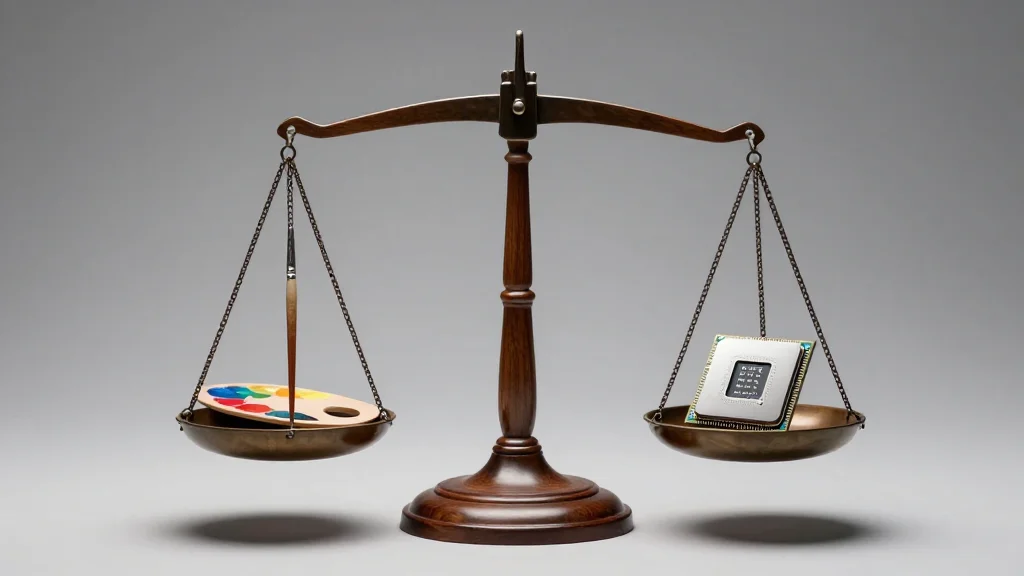
The dispute strikes at the heart of the creator economy, where billions of dollars flow from digital platforms that monetize artistic content. A legal precedent that forces AI firms to license source material could create a new, sustainable revenue stream for artists, reshaping how creative work is monetized in the digital age. Conversely, a ruling that upholds broad fair‑use claims could accelerate AI capabilities but risk marginalizing creators whose work fuels these systems. Beyond economics, the case will influence policy discussions about data governance, transparency, and the ethical limits of AI training. Regulators in the U.S., EU and elsewhere are already drafting AI‑specific copyright guidelines; the outcome of these lawsuits could inform the shape of those regulations, affecting everything from image‑generation tools to video‑editing software. The clash also highlights a cultural battle: whether AI should be viewed as a tool that amplifies human creativity or as a technology that can appropriate it without consent. The resolution will affect public perception of AI, potentially influencing adoption rates across media, advertising, and entertainment sectors.
Key Takeaways
- •Artists allege AI firms used copyrighted artwork without permission.
- •Oscar‑winning director Daniel Roher called AI CEOs "Fuck you" in response.
- •AI video company CEO defended practice as "fair use, full stop."
- •Potential class‑action lawsuits could force retroactive licensing fees.
- •Outcome may set global precedent for AI data‑use and copyright law.
Pulse Analysis
The current showdown is more than a legal spat; it signals a turning point for how generative AI will source its training data. Historically, AI developers have relied on the assumption that publicly available internet content can be scraped without explicit consent, a practice that kept data acquisition costs low and model development rapid. However, as AI-generated outputs become commercially viable—fueling everything from ad creatives to film editing—the economic stakes for original creators have risen dramatically.
If courts impose licensing obligations, AI firms will need to overhaul their data pipelines, shifting from indiscriminate crawling to curated, rights‑cleared datasets. This could slow innovation in the short term but may also spur a new market for licensed AI training data, akin to stock‑photo libraries. Companies that invest early in building compliant data ecosystems could gain a competitive edge, positioning themselves as responsible AI leaders.
On the other hand, a ruling that upholds broad fair‑use defenses would reinforce the status quo, allowing AI developers to continue scaling models with minimal friction. Yet such a decision could exacerbate creator backlash, prompting platform bans or boycotts that would hurt user‑generated content ecosystems. The industry may see a splintering, with some platforms adopting stricter content‑use policies to appease creators while others double down on open data.
Regulators are watching closely. The EU's Digital Services Act and the U.S. Copyright Office's ongoing AI guidance both hint at tighter oversight. A landmark case here could accelerate legislative action, prompting clearer definitions of permissible data use and mandatory attribution standards. In any scenario, the dispute underscores that the future of AI will be shaped not just by technical breakthroughs but by how society balances innovation with the rights of the artists who inspire it.
Artists Accuse Top AI Firms of Using Their Work Without Permission
Comments
Want to join the conversation?
Loading comments...