Companies Mentioned
Why It Matters
The retirement cuts operational expenses and speeds up news gathering, but it also removes a mobile, community‑focused reporting tool, reshaping how local radio covers breaking events.
Key Takeaways
- •BBC retires its £70,000 Radio Car, ~ $86,000, for Wi‑Fi reporting.
- •Legacy Verv vehicles face obsolescence as smartphones deliver broadcast‑quality audio.
- •On‑site reporting costs rise, while remote contributions cut travel expenses.
- •Journalists lose a mobile “boots‑on‑the‑ground” tool for community coverage.
- •Shift underscores broader industry move toward low‑cost, cloud‑based live audio.
Pulse Analysis
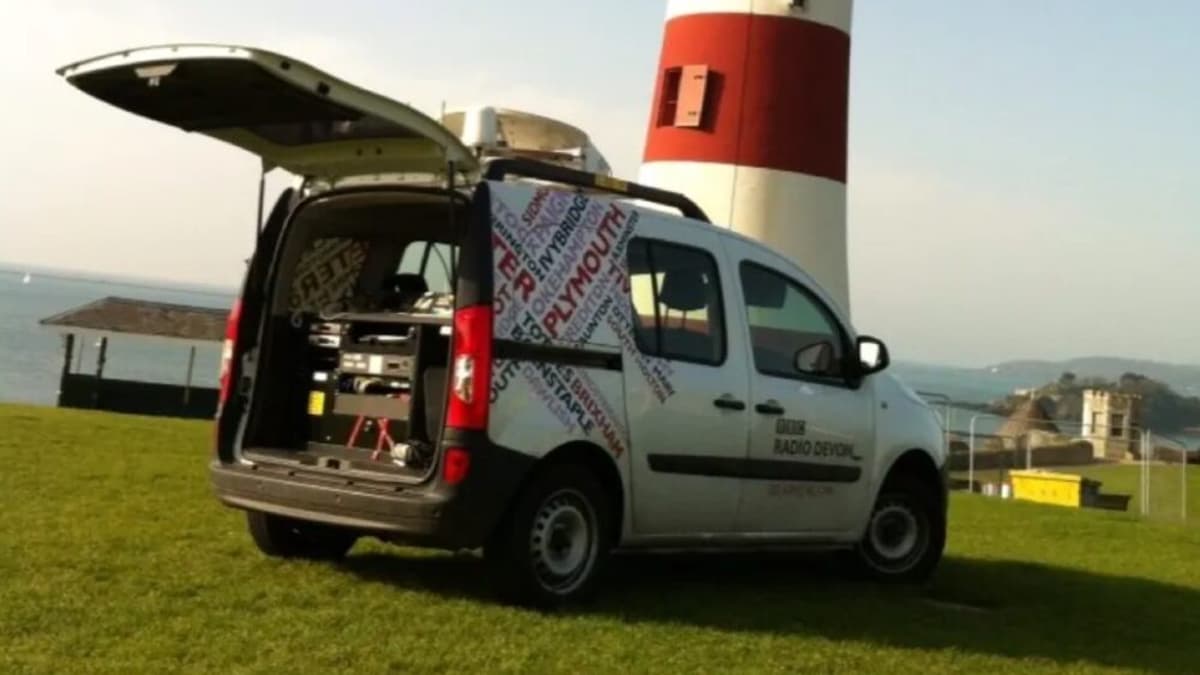
The BBC’s Radio Car, once a staple of field reporting, represented a hefty investment—about £70,000 (roughly $86,000) per unit—packed with a mast, UHF transmitter, and a suite of analog controls. For decades it enabled reporters to broadcast live from farms, fairs, and remote sites, but the hardware demanded specialized training, safety precautions, and significant logistical planning. As 4G and 5G networks proliferated, the Verv variant swapped the mast for a satellite dish, yet even that proved cumbersome when line‑of‑sight alignment took minutes.
Today's newsroom operates on a different paradigm. Smartphones, coupled with apps like WhatsApp and Comrex‑enabled codecs, deliver broadcast‑grade audio over cellular or Wi‑Fi connections at a fraction of the cost. This shift slashes travel time, eliminates the need for heavy vehicle maintenance, and allows contributors to go live from their own devices. While the immediacy and flexibility improve efficiency, the loss of a dedicated mobile studio reduces the BBC’s ability to embed reporters physically within communities, potentially affecting the depth of on‑the‑ground storytelling.
The retirement of the Radio Car mirrors a wider industry transition toward cloud‑based, low‑cost production tools. Broadcasters are re‑allocating budgets from capital‑intensive equipment to digital infrastructure and talent development. Nostalgia may preserve a few legacy units for museum displays, but the practical future lies in remote‑first workflows that prioritize speed, scalability, and audience reach. As the BBC adapts, other media organisations will likely follow, accelerating the decline of traditional field‑car rigs across the sector.
Blog: Wifi killed the BBC radio car
Comments
Want to join the conversation?
Loading comments...