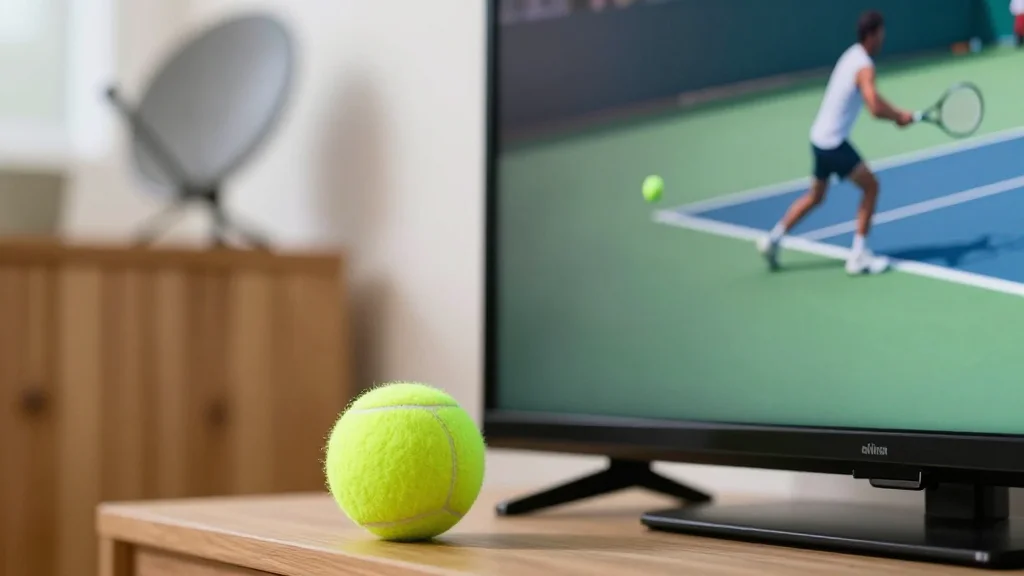
French Open 2026 Broadcast: Free Streams, TV Deals and VPN Workarounds

Why It Matters
The French Open’s distribution strategy highlights how major sporting events are navigating the tension between traditional territorial rights and the demand for global, on‑demand access. By offering a mix of free national channels, pay‑TV, and OTT platforms, the tournament maximizes reach while still monetizing premium content. The prominence of VPN recommendations signals that viewers are already circumventing geographic locks, prompting rights holders to rethink exclusivity models. For advertisers, the fragmented but extensive coverage creates new inventory across linear TV and digital streams, expanding audience targeting possibilities. Meanwhile, consumers benefit from a broader choice set, but must navigate trial periods and potential subscription fatigue. The outcome of this rollout will likely influence how future sports properties negotiate rights, price tiers, and digital delivery.
Key Takeaways
- •French Open 2026 runs May 24‑June 7, with free coverage on Australia's 9Now and France TV (daytime up to quarters).
- •U.S. viewers can watch on TNT, truTV, HBO Max, or Bleacher Report YouTube (free 9‑11 am ET, May 24‑29).
- •Canada: RDS and TSN; UK: TNT Sports and HBO Max; Switzerland: RSI/SRF; Belgium: RTBF; Austria: ServusTV.
- •Free trial offers: YouTube TV (10 days), DirecTV (5 days) for U.S. pay‑TV streams.
- •NordVPN recommended to bypass geo‑blocks, enabling global access to regional broadcasters.
Pulse Analysis
The French Open’s 2026 media rollout illustrates the sport’s pivot toward a hybrid rights model that blends legacy broadcasters with digital platforms. Historically, Grand Slams have relied on exclusive, territory‑locked deals that lock audiences into specific cable packages. This year, however, the tournament’s rights holders have embraced a more fragmented approach, likely driven by two forces: the erosion of linear TV viewership and the rise of OTT services that promise higher engagement metrics.
By pairing free national channels (9Now, France TV) with premium cable (TNT, truTV) and streaming services (HBO Max, YouTube), the French Open captures both casual fans and high‑value subscribers. The inclusion of free‑trial windows on YouTube TV and DirecTV is a tactical move to convert cord‑shavers into paying customers, leveraging the tournament’s high‑profile status as a loss‑leader for broader platform adoption. This mirrors the broader industry trend where live sports act as a gateway to subscription ecosystems, a strategy that has proven effective for leagues like the NFL and NBA.
The explicit recommendation of VPNs in multiple guides signals a tacit acknowledgment that geographic restrictions are increasingly porous. While rights holders may view VPN usage as revenue leakage, the reality is that a sizable portion of the global audience already employs such tools. Future negotiations may therefore incorporate more flexible, global‑first licensing structures, perhaps offering tiered pricing based on device or usage rather than strict country boundaries. For advertisers, the multi‑platform spread expands inventory but also fragments measurement, demanding more sophisticated cross‑platform analytics to gauge reach and ROI.
Overall, the French Open’s distribution plan could become a blueprint for other major events seeking to balance revenue maximization with consumer demand for unrestricted, on‑demand access. Rights owners that adapt to this hybrid, border‑agnostic model are likely to capture both the premium advertising dollars of live TV and the growing subscription revenues of OTT, while also mitigating the risk of audience erosion to piracy or VPN circumvention.
French Open 2026 Broadcast: Free Streams, TV Deals and VPN Workarounds
Comments
Want to join the conversation?
Loading comments...