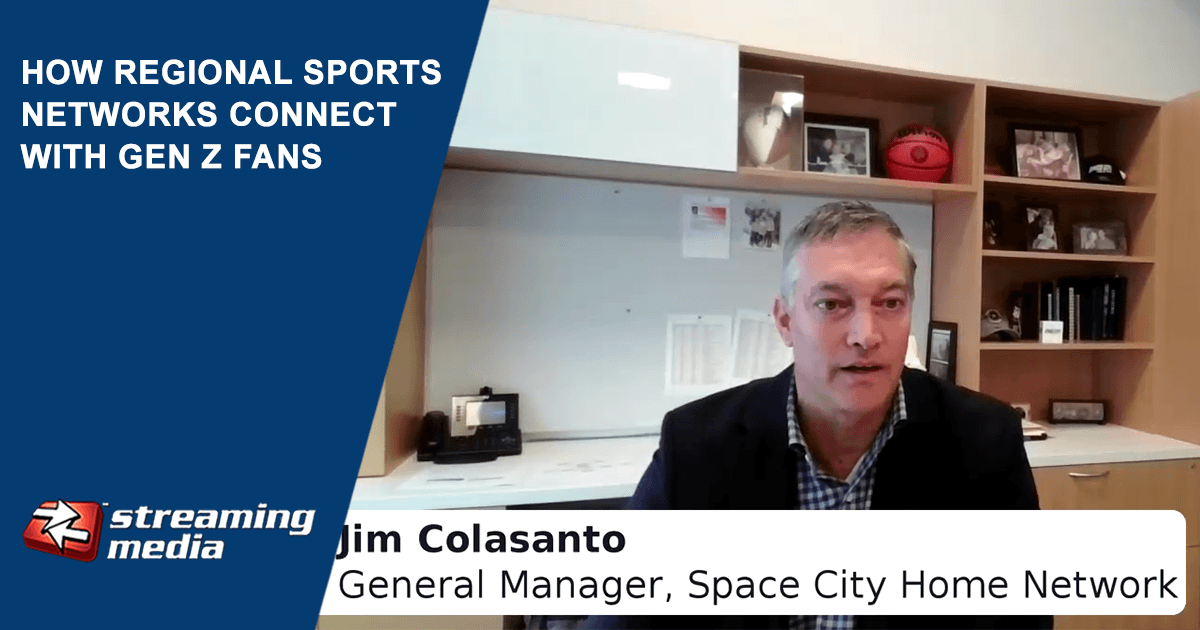
How Regional Sports Networks Engage Gen Z Fans
Why It Matters
Capturing Gen Z is critical for RSNs to offset declining traditional TV revenues and secure future subscription and advertising dollars.
Key Takeaways
- •RSNs add short clips, FAST channels, and influencer content for Gen Z.
- •Local events like Texas high‑school football expand audience beyond core teams.
- •Behind‑the‑scenes shows create personal player connections driving app re‑watch.
- •Direct‑to‑consumer apps see exponential growth in highlight and replay views.
Pulse Analysis
Regional sports networks are at a crossroads as the traditional cord‑cutting wave collides with a generation that lives on mobile feeds. Millennials already migrated to streaming; Gen Z, born into a highlights‑first culture, expects instant, bite‑sized access to sports moments. This shift forces RSNs to compete not only with national broadcasters but also with TikTok, YouTube Shorts, and other social platforms that deliver game clips in seconds. By re‑engineering distribution strategies, networks aim to capture attention before it fragments, laying the groundwork for sustainable digital revenue.
NESN and Space City Home Network illustrate the playbook in action. Both have launched FAST (Free Ad‑Supported Streaming TV) channels that aggregate replays, player spotlights, and niche leagues such as the PWHL Boston Fleet, offering a low‑friction entry point for younger viewers. Influencer partnerships and localized content—like Texas high‑school football packages or the Houston Rodeo—broaden the appeal beyond flagship teams. Personal‑touch programming, exemplified by Mother’s Day player calls and the nostalgic ‘Sox Appeal’ dating show, deepens emotional ties and fuels repeat visits to DTC apps.
The business payoff is measurable. Direct‑to‑consumer platforms report exponential increases in highlight re‑watch rates, translating into higher ad impressions and subscription conversions. Data harvested from short‑form interactions enables hyper‑targeted advertising, a premium that brands are willing to pay for Gen Z’s coveted attention. As RSNs embed these tactics into their core strategy, they not only offset the erosion of linear TV revenue but also position themselves as omnichannel sports hubs. The next frontier will be leveraging AI‑driven personalization to serve the right clip to the right fan at the right moment.
How Regional Sports Networks Engage Gen Z Fans
Comments
Want to join the conversation?
Loading comments...