In the U.K., Digital Platforms Dominate Radio Listening
Companies Mentioned
Why It Matters
The shift reshapes revenue models for broadcasters and advertisers, emphasizing the need for digital‑first strategies. It also signals growing importance of platform owners and device manufacturers in the radio ecosystem.
Key Takeaways
- •77% of UK adults listen via digital platforms weekly
- •DAB accounts for 57% of digital radio hours
- •AM/FM share drops to 24% of weekly listening hours
- •Average weekly radio consumption falls to 19.9 hours
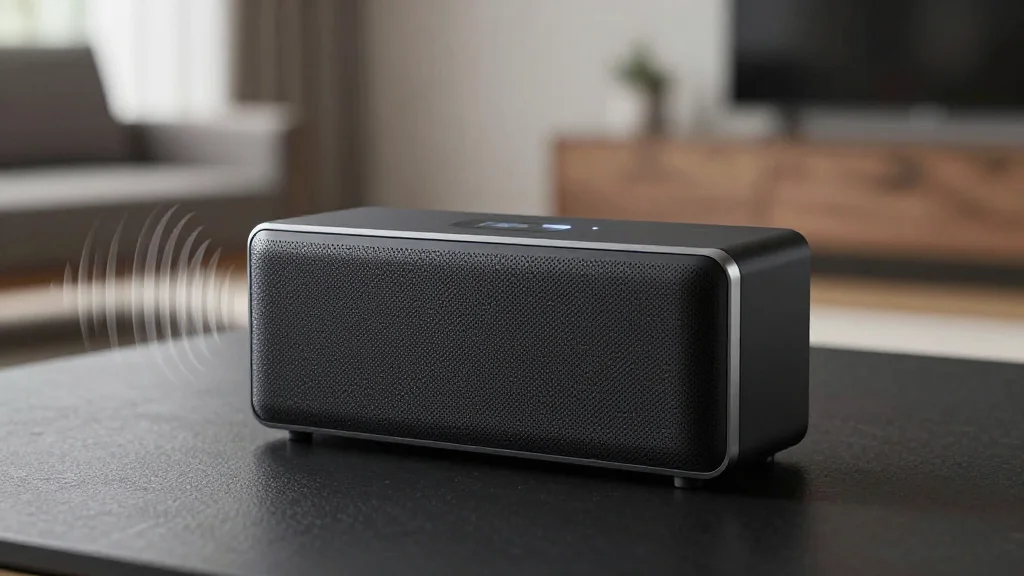
- •Smart speakers contribute 25% of digital listening hours
Pulse Analysis
The latest RAJAR figures illustrate a decisive pivot in British radio habits, with digital platforms now capturing three‑quarters of the audience. DAB, once a niche upgrade, dominates with a 57% share of digital listening hours, while smart speakers and online apps together account for a further 40%. This transition mirrors broader consumer trends toward on‑demand, connected experiences, and it has compressed the traditional AM/FM footprint to just a quarter of weekly listening time. Broadcasters that cling solely to terrestrial transmission risk losing relevance as listeners gravitate toward the convenience and interactivity of digital services.
For advertisers, the data reshapes audience targeting. Digital radio offers granular metrics, programmatic buying, and cross‑device reach that far exceed the capabilities of legacy broadcast. Brands can now align campaigns with specific listening contexts—whether a commuter using a DAB car unit or a home user engaging via a smart speaker. Meanwhile, platform operators such as DAB multiplex owners and streaming app providers stand to capture a larger slice of the advertising pie, prompting increased investment in content curation and data analytics to maximize engagement.
Looking ahead, the UK’s digital radio surge is likely to accelerate. Emerging standards like DAB+ promise higher audio quality and more station capacity, while 5G and edge computing could further integrate radio into broader media ecosystems. Regulators may need to revisit licensing frameworks to ensure fair competition between traditional broadcasters and tech‑driven entrants. Compared with the United States, where digital radio adoption lags, the UK serves as a bellwether for how connected devices and platform diversification can redefine a legacy medium.
In the U.K., Digital Platforms Dominate Radio Listening
Comments
Want to join the conversation?
Loading comments...