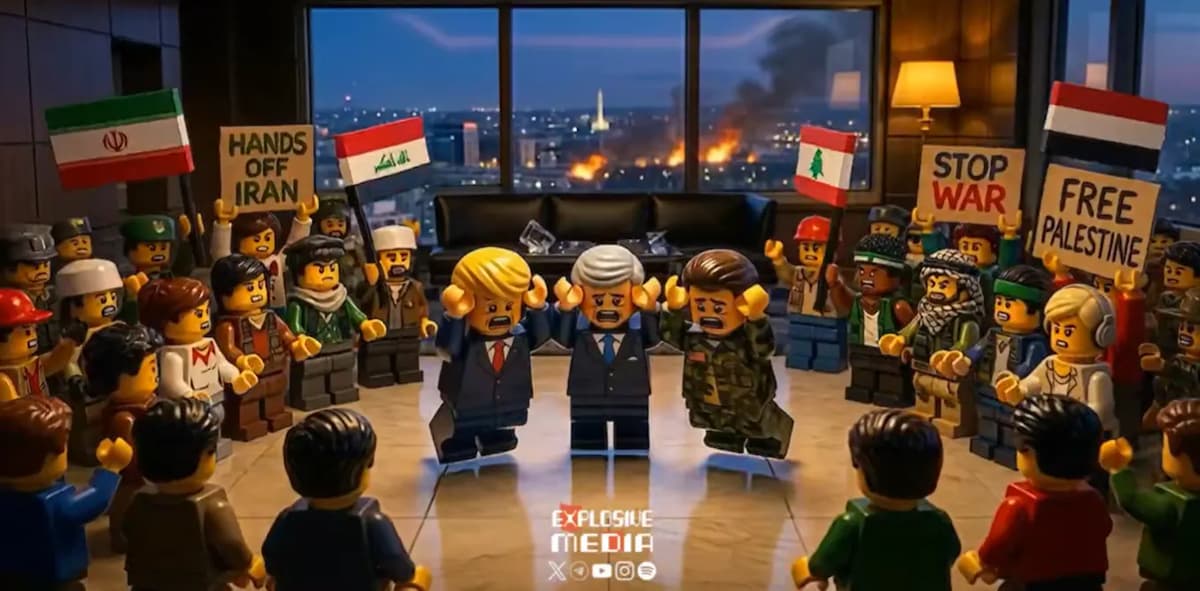
Iran’s AI Memes Are Reaching People Who Don’t Follow the News – and Winning the Propaganda War
Companies Mentioned
Why It Matters
The campaign reaches millions of indifferent viewers, shaping perceptions of U.S. policy without detection, marking a new, algorithm‑driven frontier in state influence. It forces policymakers and platforms to confront propaganda that masquerades as satire.
Key Takeaways
- •Iran’s Explosive Media AI memes have billions of cumulative views
- •Videos use Lego animation, rap beats, and satire to mimic entertainment
- •Target audience: users who don’t follow news but consume memes
- •Strategy mirrors Trump’s pop‑culture tactics for political persuasion
- •Blurring satire and propaganda threatens trust in media ecosystems
Pulse Analysis
The rise of AI‑generated propaganda marks a watershed in digital influence operations. Iran’s Explosive Media leverages generative tools to produce low‑cost, high‑volume video content that looks like viral TikTok or YouTube clips. By stitching together familiar Lego aesthetics, contemporary rap beats, and punchy captions, the videos achieve algorithmic favor, quickly racking up billions of views across platforms. This technical agility allows a state actor to flood the information space with tailored narratives at a scale previously reserved for major media conglomerates, while remaining under the radar of traditional monitoring systems.
What sets these memes apart is their audience‑first design. Rather than aiming at policy wonks or news followers, the creators embed geopolitical arguments within the language of internet culture—diss tracks, meme references, and pop‑culture callbacks. This approach exploits the same humor‑driven consumption habits cultivated by shows like The Daily Show and Last Week Tonight, which have become trusted news sources for younger Americans. By presenting political content as entertainment, the videos bypass the skepticism typically directed at overt state propaganda, reaching politically disengaged users who might otherwise remain uninformed about the Iran‑U.S. conflict.
The implications are profound for both governments and platforms. When satire and propaganda become indistinguishable, the public’s ability to discern factual reporting erodes, amplifying misinformation risks. Policymakers must consider new transparency standards for AI‑generated media, while social networks need more nuanced detection tools that assess intent, not just content. Media literacy initiatives should teach audiences to scrutinize the source and motive behind humorous political clips. As AI tools become more accessible, the line between comedic commentary and covert influence will continue to blur, demanding a coordinated response from regulators, tech firms, and educators.
Iran’s AI memes are reaching people who don’t follow the news – and winning the propaganda war
Comments
Want to join the conversation?
Loading comments...