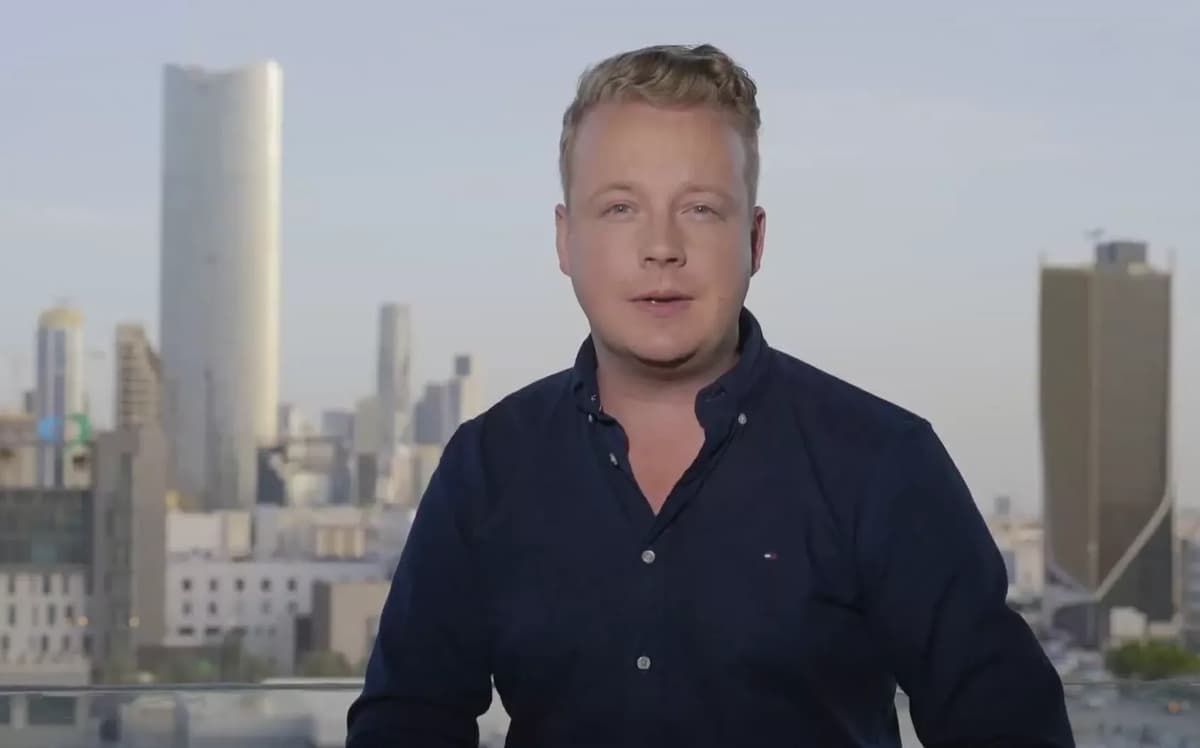
Middle East Tensions Hit Saudi Plans on FOREIGN CORRESPONDENT

Companies Mentioned
Why It Matters
The conflict jeopardizes Saudi Arabia’s economic diversification timeline, potentially delaying billions in foreign capital and reshaping regional power dynamics.
Key Takeaways
- •Vision 2030 aims to shift Saudi economy from oil to tourism.
- •War in the Gulf has halted several high‑profile foreign investment projects.
- •Tourism initiatives face travel restrictions and heightened security concerns.
- •Crown Prince Mohammed bin Salman stays committed despite geopolitical pressure.
- •Regional instability may push Saudi diversification timeline beyond 2030 goals.
Pulse Analysis
Vision 2030, unveiled in 2016, is Saudi Arabia’s flagship blueprint to reduce reliance on oil revenues by investing heavily in tourism, renewable energy, digital infrastructure, and entertainment. The plan targets trillions of dollars of private and public capital, with flagship projects such as NEOM, the Red Sea luxury resorts, and a burgeoning fintech ecosystem. By 2030 the kingdom hopes to generate a third of its GDP from non‑oil sources, positioning itself as a regional hub for innovation and high‑value services.
The sudden escalation of hostilities after the United States and Israel launched a coordinated campaign against Iran has thrown a wrench into that agenda. Airspace closures, heightened security protocols, and a surge in insurance premiums have already forced several multinational firms to pause or renegotiate contracts tied to Saudi projects. Tourism operators report a sharp decline in bookings as travelers avoid perceived risk, while technology partners cite supply‑chain disruptions and talent‑mobility constraints. These pressures threaten to delay key milestones, erode investor confidence, and force the kingdom to re‑allocate fiscal resources toward defense and humanitarian aid.
Looking ahead, Saudi policymakers are likely to double down on resilience measures, including accelerated digitalization of public services and incentives for domestic investors to fill funding gaps. The Crown Prince’s commitment to reform suggests a willingness to adapt the Vision timeline, perhaps extending certain targets beyond 2030. For global investors, the message is clear: while the long‑term upside of a diversified Saudi economy remains compelling, short‑term volatility demands rigorous risk assessment and flexible allocation strategies.
Middle East tensions hit Saudi plans on FOREIGN CORRESPONDENT
Comments
Want to join the conversation?
Loading comments...