Opinion: Why Virtual Production Doesn’t Have to Include Prohibitive Costs
Companies Mentioned
Why It Matters
Lowering virtual‑production costs could unlock new formats for public‑service and mid‑budget content, expanding revenue and audience reach. It also forces the industry to address talent pipelines and workflow integration.
Key Takeaways
- •High‑budget shows like The Mandalorian prove virtual production's value
- •Startup and studio rental costs (≈ $25k/day) block low‑budget productions
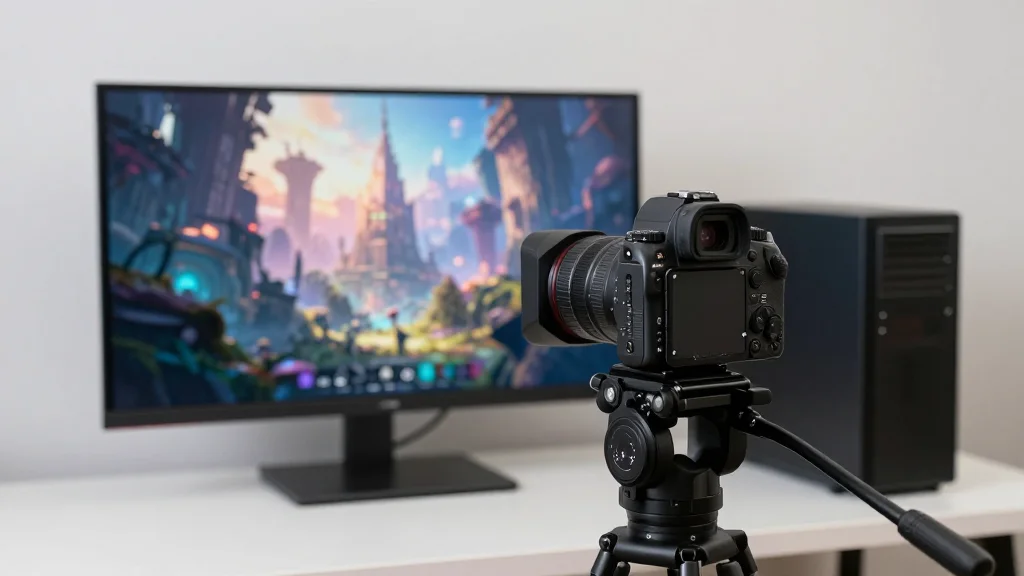
- •BBC R&D's Beepy VP uses monitor + consumer PC for cheap VP
- •Scheduling limited LED studios hampers broader adoption across broadcasters
- •Upskilling freelancers essential for sustainable virtual production rollout
Pulse Analysis
Virtual production has reshaped blockbuster TV, enabling real‑time compositing and immersive sets that would have required weeks of post‑production. Yet the technology’s price tag—often exceeding $25,000 per shooting day for LED‑wall studios—creates a barrier for public‑service broadcasters and mid‑budget creators who operate on tighter margins. This cost disparity reinforces a divide where only well‑funded franchises reap the efficiency gains, while smaller producers remain stuck with traditional, time‑intensive pipelines.
Enter BBC R&D’s Beepy VP, a prototype that swaps costly LED volumes for a large monitor paired with a consumer‑grade computer. By leveraging marker‑based tracking derived from robotics and AI‑trained virtual backgrounds, the system can project realistic environments in‑camera without specialized hardware. If scaled, Beepy VP could slash production expenses by an order of magnitude, making virtual sets accessible to newsrooms, game‑show producers, and regional drama studios that previously could not justify the investment. The approach also reduces logistical friction, as teams no longer need to schedule scarce LED‑studio slots.
However, technology alone won’t deliver value. The UK’s TV and film labor market is heavily freelance‑driven, with skills often learned ad‑hoc. Sustainable adoption of affordable virtual production demands coordinated upskilling programs, clear career pathways, and competitive compensation for technicians who master real‑time engines, AV integration, and new workflow conventions. Strategic leadership that invests in talent pipelines will be the catalyst that turns cost‑effective virtual production from a niche experiment into an industry‑wide standard, expanding creative possibilities across the broadcast ecosystem.
Opinion: Why virtual production doesn’t have to include prohibitive costs
Comments
Want to join the conversation?
Loading comments...