Programming at Scale: Why Channel and Platform Operations Are Reaching a Breaking Point
Companies Mentioned
Why It Matters
The shift to real‑time, AI‑augmented scheduling determines which broadcasters can scale profitably across fragmented platforms, making operational intelligence the next competitive frontier.
Key Takeaways
- •FAST channel growth forces real‑time schedule adjustments.
- •Metadata fragmentation drives higher validation costs and delays.
- •AI optimizes content matching and audience clustering at scale.
- •Hybrid workflows blend automation with human editorial oversight.
- •Operational intelligence, not channel count, will define future profitability.
Pulse Analysis
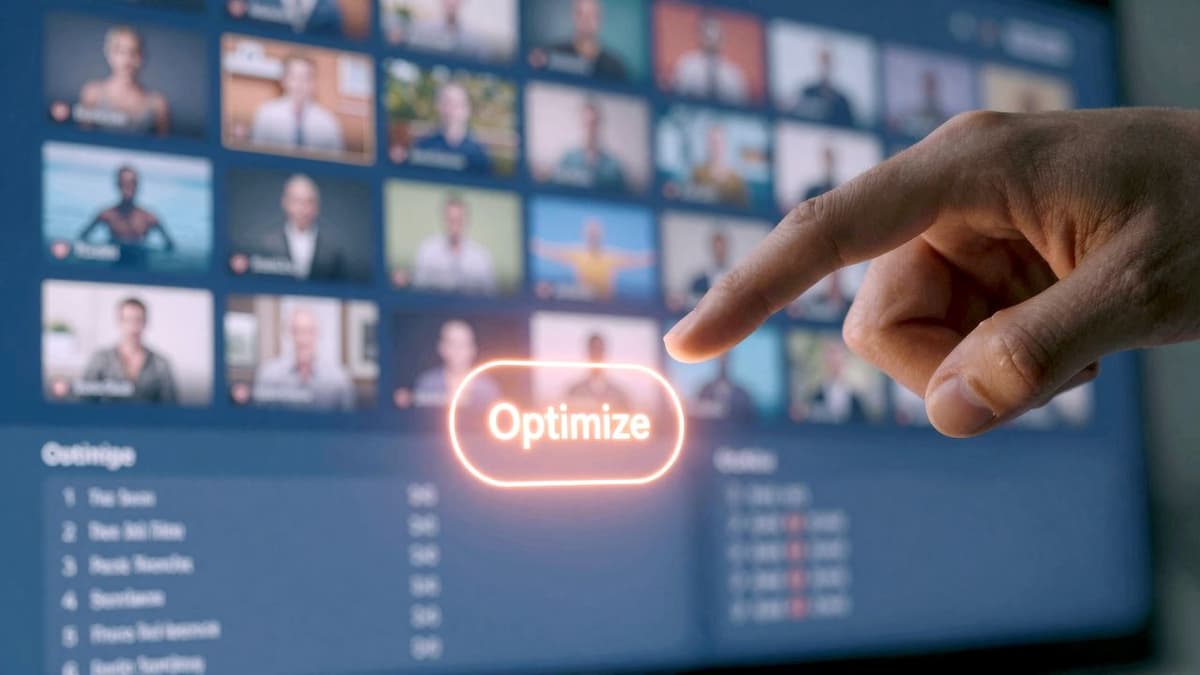
Modern broadcasters face a fundamental redesign of scheduling as audiences splinter across linear TV, FAST channels, streaming services, VOD, and social platforms. The old model—planning weeks ahead for a single linear feed—cannot keep pace with real‑time audience signals, dynamic ad inventories, and rights constraints that now change daily. Operators are moving toward continuous optimization, where programming line‑ups are tweaked on the fly based on performance dashboards, allowing faster response to viewer demand and revenue opportunities.
At the heart of this transformation is metadata. As content proliferates across dozens of distribution points, the volume and complexity of title, rights, and contextual data explode. Inconsistent or missing metadata forces teams into manual validation loops, inflating costs and delaying launches. Robust, structured metadata pipelines enable automated rights checks, accurate playlist generation, and seamless cross‑platform delivery, turning data from a bottleneck into a strategic asset that fuels both compliance and monetization.
Artificial intelligence is the catalyst that turns massive metadata stores into actionable intelligence. AI‑driven enrichment, semantic tagging, and audience clustering help identify content affinities and predict performance, while optimization engines balance editorial goals, advertising revenue, and rights limitations in near real‑time. Yet the technology complements rather than replaces human judgment; editors still steer brand tone and regional nuances. The emerging hybrid workflow—automation for execution, AI for optimization, and humans for strategy—will define the next wave of operational intelligence, allowing media companies to scale efficiently while maintaining creative control.
Programming at Scale: Why Channel and Platform Operations Are Reaching a Breaking Point
Comments
Want to join the conversation?
Loading comments...