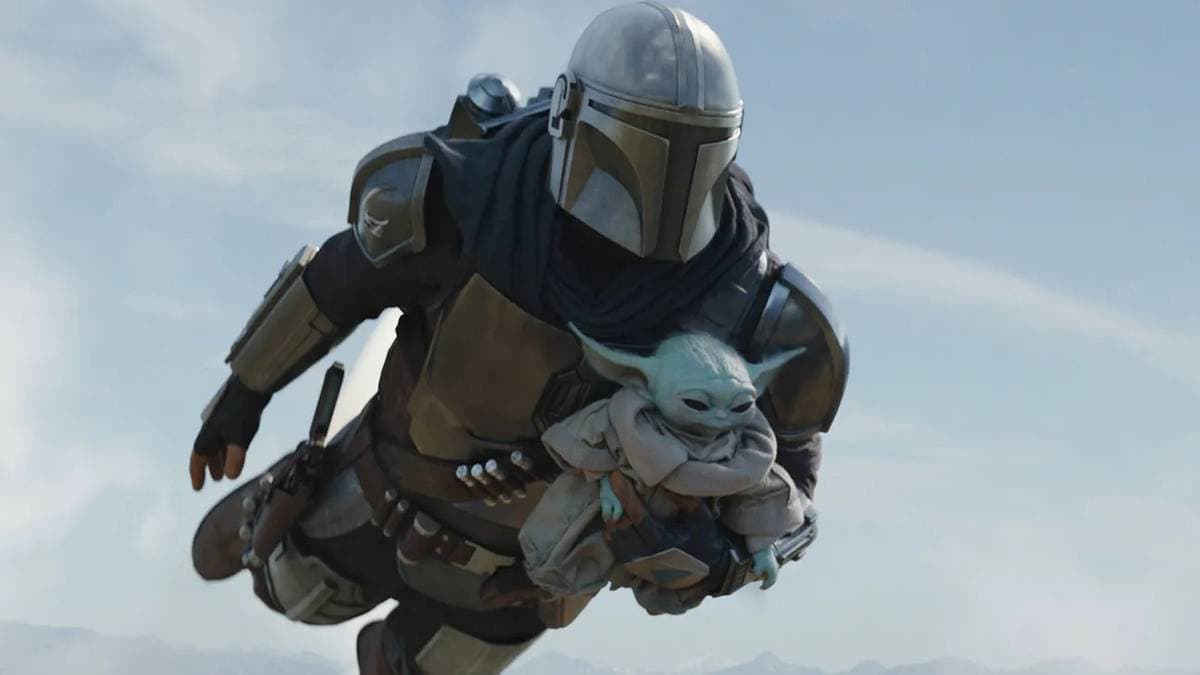
The Best Star Wars TV Show Isn't The Mandalorian — and George R.R. Martin Agrees
Why It Matters
Andor proves that a franchise can thrive by embracing mature, character‑driven narratives, reshaping expectations for blockbuster TV. Its success and costly production also signal how streaming giants balance creative ambition with fiscal sustainability.
Key Takeaways
- •Andor cost roughly $645 million across two seasons.
- •Series avoids lightsabers, focusing on gritty political intrigue.
- •Diego Luna’s Cassian Andor received universal critical praise.
- •George R.R. Martin called Andor the year’s sci‑fi highlight.
- •Disney trimmed planned five‑season arc to two seasons.
Pulse Analysis
Andor’s departure from the glossy, space‑opera aesthetic that defines most Star Wars entries has resonated with critics and viewers seeking depth over spectacle. By foregrounding espionage, moral ambiguity, and the human cost of empire, the series taps into a growing appetite for mature sci‑fi on streaming platforms. Its narrative restraint—eschewing lightsabers and overt Force displays—has broadened the franchise’s appeal, demonstrating that brand loyalty can survive when creators prioritize storytelling integrity over fan‑service clichés.
The endorsement from George R.R. Martin, a heavyweight whose opinions shape genre discourse, amplified Andor’s cultural cachet. Martin’s public praise highlighted the show’s realism and tension, reinforcing its reputation as a benchmark for quality television. This validation helped translate critical acclaim into measurable audience growth, as reflected in soaring IMDb scores and steady viewership through both seasons. The ripple effect extends to other franchises, encouraging studios to invest in risk‑taking narratives that can capture both niche and mainstream audiences.
Disney’s $645 million investment underscores the high stakes of the streaming wars, where premium content is a key differentiator. While the budget secured top‑tier talent and production values, it also forced a strategic retreat from an originally five‑season plan, illustrating the tension between artistic ambition and cost containment. The Andor case study will likely inform future Star Wars projects and broader sci‑fi ventures, prompting studios to weigh the financial viability of ambitious, genre‑bending series against the need to sustain subscriber growth. Confidence that such bold storytelling can coexist with fiscal discipline remains a pivotal question for the industry.
The best Star Wars TV show isn't The Mandalorian — and George R.R. Martin agrees
Comments
Want to join the conversation?
Loading comments...