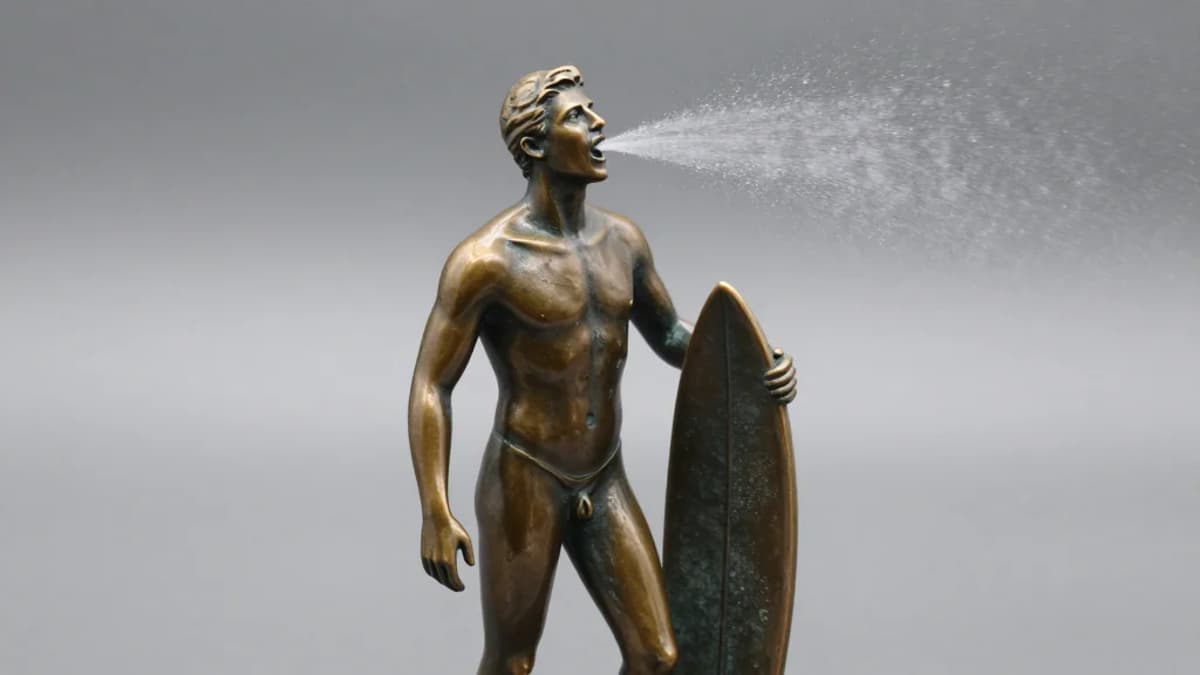
“The Darker Side of Water”: Behind the Scenes of Channel 4’s “The Fountain of Filth”
•March 2, 2026
0
Why It Matters
The stunt illustrates how broadcasters are leveraging immersive installations to cut through clutter, but also highlights reputational risks when shock tactics clash with audience sensibilities.
Key Takeaways
- •4Creative, Glue Society, Biscuit Filmworks designed installation
- •Bronze fountain features men, boys, surfboards, water
- •Built to promote Channel 4's 'Dirty Business' series
- •Critics label piece as sensationalist, potentially offensive
- •Installation sparks debate on ethics in TV marketing
Pulse Analysis
Experiential marketing has become a cornerstone for television networks seeking to generate buzz beyond traditional trailers. By commissioning a large‑scale bronze fountain, Channel 4 aimed to create a tactile, Instagram‑ready visual that mirrors the gritty investigative tone of “Dirty Business.” The collaboration with 4Creative, Glue Society and Biscuit Filmworks allowed the broadcaster to control every detail, from material selection to placement, ensuring the piece resonated with the show’s themes of corruption and environmental neglect.
However, the installation’s graphic imagery—men and boys forced to expel water from their mouths—has drawn criticism for bordering on sensationalism. Media analysts argue that while shock value can spike short‑term engagement, it risks alienating viewers who perceive the display as exploitative. The controversy underscores a growing tension in the industry: brands must balance attention‑grabbing creativity with cultural sensitivity, especially when dealing with socially charged subjects.
Looking ahead, the “fountain of filth” case will likely influence how broadcasters approach physical promos. Agencies may adopt more nuanced storytelling techniques, leveraging immersive tech without resorting to overtly provocative visuals. The episode serves as a cautionary tale that bold installations can amplify a show’s message, but only when they align with audience expectations and ethical standards, preserving both brand equity and viewer trust.
“The darker side of water”: behind the scenes of Channel 4’s “The fountain of filth”
0
Comments
Want to join the conversation?
Loading comments...