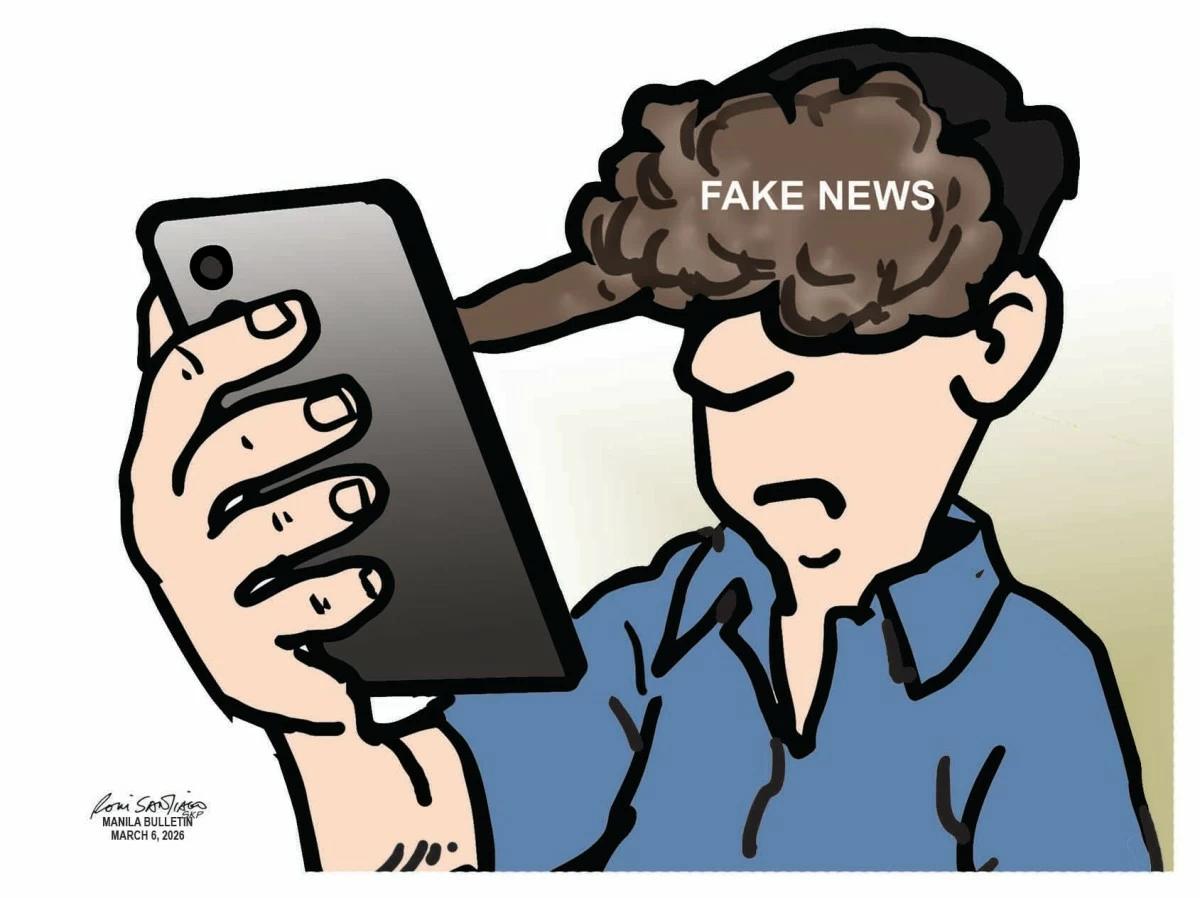
Truth Is Everyone’s Responsibility
•March 5, 2026
0
Why It Matters
Unchecked misinformation undermines democratic decision‑making, economic stability, and public safety, making coordinated action critical for societal resilience.
Key Takeaways
- •MOU signed between Philippine media and Presidential Communications Office
- •Disinformation threatens democracy, markets, and public health
- •Media literacy education essential to curb fake news spread
- •Tech platforms must redesign algorithms favoring accuracy over virality
- •Citizens' sharing choices determine misinformation's reach and impact
Pulse Analysis
The Philippines’ new memorandum of understanding marks a rare convergence of state and media actors confronting a problem that transcends borders: the rapid spread of false information online. While the agreement formalizes cooperation, its real value lies in setting a precedent for coordinated responses to algorithm‑driven narratives that can sway public opinion and market behavior. By establishing shared protocols for fact‑checking and rapid response, the MOU seeks to fill the information vacuum that often fuels panic and speculation during crises.
At the heart of any sustainable solution is media literacy. Educational initiatives that teach citizens to scrutinize sources, verify claims, and recognize emotional manipulation can dramatically reduce the virality of deceptive content. Schools, workplaces, and community groups are increasingly incorporating critical‑thinking modules that empower individuals to act as gatekeepers rather than passive conduits. When citizens pause before sharing, the cascade effect that amplifies misinformation is disrupted, preserving the integrity of public discourse and protecting health outcomes.
Beyond education, systemic changes are required from both government and technology firms. Transparent, timely communication from officials can pre‑empt rumor mills, while platforms must recalibrate recommendation engines to prioritize factual accuracy over engagement metrics. Independent fact‑checkers should be integrated into content moderation pipelines, and punitive measures for repeated disinformation must be balanced with free‑speech safeguards. Collectively, these steps create a multi‑layered defense that safeguards democratic processes, stabilizes markets, and restores confidence in institutions.
Truth is everyone’s responsibility
0
Comments
Want to join the conversation?
Loading comments...