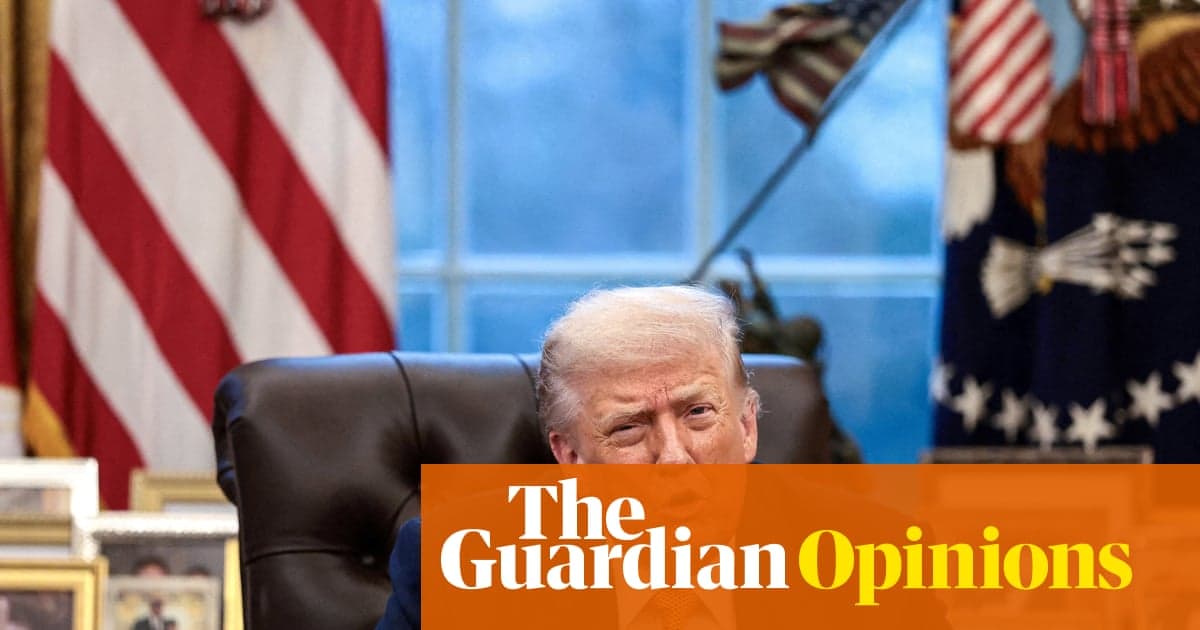
Under the Trump Administration, Pressure on the Press Is Both Subtle and Direct | Kai Falkenberg


Why It Matters
If editorial decisions become a legal liability, the First Amendment’s protection of a free press erodes, compromising news quality and increasing operational costs for media companies.
Key Takeaways
- •Trump warned CBS to air full interview or face lawsuit
- •Supreme Court cautions against government intrusion into editorial decisions
- •Consumer‑fraud laws are repurposed to challenge news editing
- •Newsrooms shift focus from judgment to legal risk management
- •Full‑airing tactics abroad reduce clarity and audience engagement
Pulse Analysis
The Trump administration’s recent legal tactics mark a departure from traditional presidential criticism of the press. By invoking state deceptive‑trade‑practice statutes—laws originally designed to police commercial transactions—Trump’s team has sued major outlets such as CBS and the BBC for editing decisions. This approach reframes routine newsroom cuts as alleged consumer fraud, creating costly litigation burdens even when the claims lack merit. The strategy mirrors historic First Amendment warnings, notably the Nebraska Press Association v. Stuart decision, which warned against governmental meddling in editorial judgment.
The implications extend beyond courtroom expenses. Newsrooms now face a dilemma: preserve editorial integrity or mitigate legal risk. Editors are being instructed to retain full recordings or risk lawsuits, which dilutes the craft of storytelling and can overwhelm audiences with unedited, often incoherent content. This pressure mirrors authoritarian practices seen in China, Russia and Turkey, where governments force media to act as mere distributors. In the United States, such tactics threaten the balance between transparency and the essential editorial function of contextualizing information, potentially eroding public trust in a press that can no longer curate news effectively.
Looking ahead, the rise of audio formats like podcasts intensifies the need for clear legal safeguards. As The Guardian prepares its first U.S. news podcast, editors must navigate the fine line between compliance and editorial freedom. Industry leaders are calling for legislative clarification to protect non‑commercial speech from consumer‑fraud claims. Maintaining robust editorial independence is crucial not only for journalistic quality but for the health of democratic discourse, ensuring the press can continue to inform, analyze, and hold power accountable.
Under the Trump administration, pressure on the press is both subtle and direct | Kai Falkenberg
Comments
Want to join the conversation?
Loading comments...