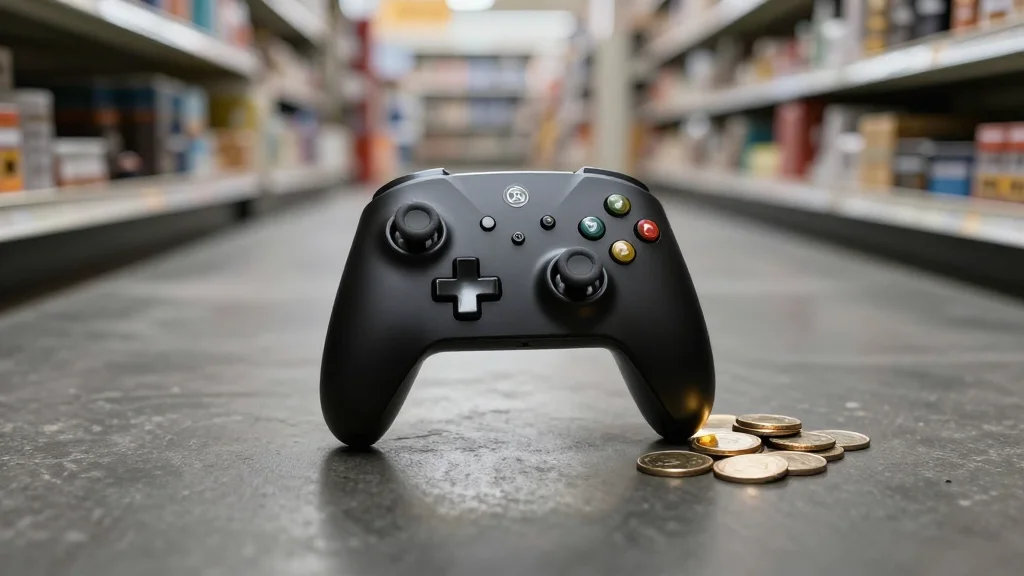
Valve Says Steam Controller Sold Out Faster Than Expected, Restock Planned

Companies Mentioned

Why It Matters
The Steam Controller’s flash‑sale highlights the tension between high consumer demand and limited supply in the PC gaming hardware market. Valve’s ability to quickly replenish stock will affect its reputation as a hardware provider and could influence future launch strategies for devices like the Steam Machine and Steam Frame. Moreover, the rapid emergence of scalpers at double‑price levels raises questions about the effectiveness of current anti‑bot measures on Valve’s platform, potentially prompting broader industry discussions on fair distribution of limited‑edition tech. For gamers, the episode serves as a cautionary tale about the volatility of new hardware releases and the importance of transparent supply communication. Retailers and digital storefronts may need to adopt more robust queuing or verification systems to protect genuine buyers, especially as Valve’s ecosystem continues to expand beyond software into physical products.
Key Takeaways
- •Valve’s $99 Steam Controller sold out within an hour of its May 4 launch.
- •Company admitted demand exceeded forecasts and promised a restock timeline.
- •Resale listings on eBay have reached $200+, a roughly 200% markup.
- •Valve engineers claim they can "turn the knobs" to increase production capacity.
- •No anti‑scalper measures were mentioned in Valve’s official statement.
Pulse Analysis
Valve’s foray into proprietary peripherals has always been a high‑stakes gamble. The Steam Deck proved that the company can sustain a hardware line with steady demand, but the original Steam Controller suffered from overproduction and excess inventory. This time, the opposite problem—under‑supply—has forced Valve into a reactive stance. By publicly acknowledging the shortfall and pledging a restock, Valve aims to preserve brand credibility, yet the lack of concrete dates may fuel speculation and drive the secondary market even higher.
Historically, hardware launches that fail to manage scarcity effectively see a backlash that can linger for months. Nintendo’s Switch 2 rollout demonstrated that a tiered allocation system, based on user engagement metrics, can mitigate scalper impact while rewarding loyal customers. Valve’s ecosystem, anchored by Steam’s massive user base, is uniquely positioned to implement a similar model, leveraging purchase history, playtime, and account age. However, such a system risks alienating casual gamers who lack the required metrics, potentially shrinking the market for the controller.
Looking ahead, Valve’s next move will be closely watched. A swift, transparent restock coupled with anti‑bot safeguards could reinforce its standing as a hardware innovator and set a new standard for digital‑first manufacturers. Conversely, prolonged shortages or a perceived indifference to scalpers could push gamers toward established peripheral brands, eroding Valve’s hardware ambitions. The outcome will likely influence not only Valve’s product roadmap but also broader industry practices around limited‑edition launches.
Valve Says Steam Controller Sold Out Faster Than Expected, Restock Planned
Comments
Want to join the conversation?
Loading comments...