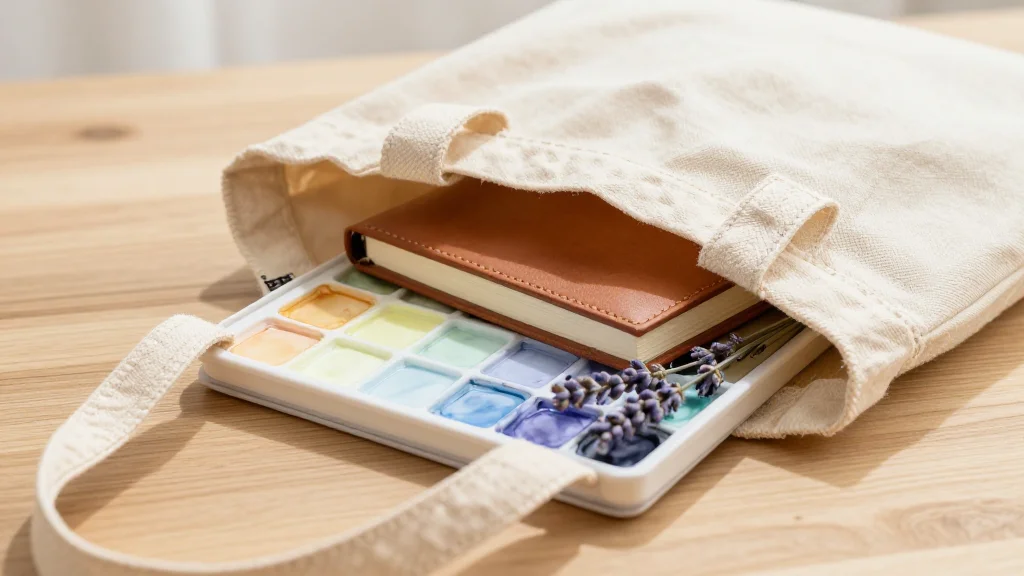
Analog Bags Go Viral as Gen Z's Screen‑Free Remedy for Doomscrolling

Why It Matters
The analog bag illustrates a tangible shift in how young people address digital overload, offering a low‑tech alternative that aligns with mindfulness practices. By providing a physical outlet for anxiety and boredom, the trend could reduce reliance on screen‑based coping mechanisms and diversify the mental‑wellness market beyond apps and podcasts. If adopted widely, the approach may influence public‑health strategies, encouraging schools and workplaces to incorporate analog breaks into daily routines. The movement also highlights the power of influencer‑driven cultural change, showing how a simple tote can spark a broader conversation about attention, wellbeing and the value of unplugged experiences.
Key Takeaways
- •Sierra Campbell coined the "analog bag" trend to replace phone scrolling with hands‑on activities.
- •Influencer Brynne Annika Fritjofson uses the tote for journaling, crochet and dual‑book reading.
- •NPR’s Weekend Edition showcased a sample bag containing Uno, fidget spinners, coloring books and a Will Shortz crossword.
- •The trend is being positioned as a low‑cost, screen‑free mindfulness tool for Gen Z.
- •Potential market impact includes new product lines, subscription kits and collaborations with wellness brands.
Pulse Analysis
The analog bag taps into a growing fatigue with endless scrolling, positioning a physical object as a behavioral nudge. Unlike meditation apps that rely on digital engagement, this approach leverages the psychology of environmental cues—seeing a tote in the corner triggers a conscious decision to switch tasks. Early adopters like Campbell and Fritjofson demonstrate that the novelty lies not just in the items inside but in the ritual of pulling the bag out, which can reinforce habit formation.
From a market perspective, the analog bag could catalyze a sub‑segment of "tangible mindfulness" products. Brands that have traditionally focused on digital experiences—such as Calm or Headspace—might diversify by offering curated kits, thereby hedging against the saturation of the app market. Retailers could also benefit from cross‑selling, pairing the bags with related accessories like reusable water bottles or eco‑friendly tote designs. However, scalability hinges on maintaining authenticity; the trend’s appeal rests on its grassroots, influencer‑driven origins. Over‑commercialization could dilute the perceived sincerity and limit long‑term adoption.
Looking ahead, the analog bag may serve as a test case for broader offline interventions in mental‑health strategies. If longitudinal studies confirm reductions in screen time and stress markers, policymakers and educators could integrate similar tools into curricula and public‑health campaigns. The key challenge will be measuring impact beyond anecdotal praise, requiring partnerships with researchers to track usage patterns and psychological outcomes. In sum, the analog bag represents both a cultural moment and a potential catalyst for a new class of low‑tech wellness solutions.
Analog Bags Go Viral as Gen Z's Screen‑Free Remedy for Doomscrolling
Comments
Want to join the conversation?
Loading comments...