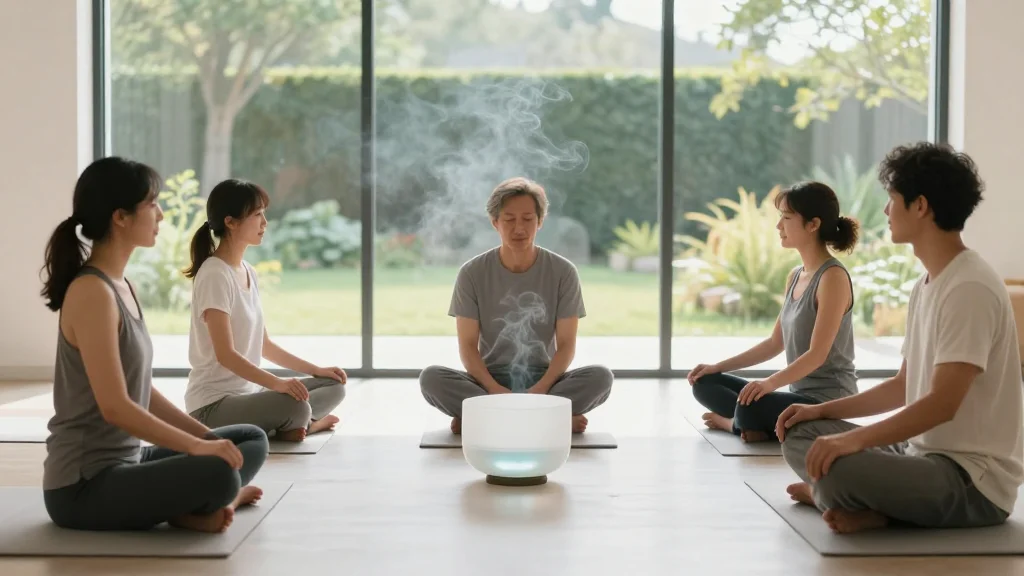
Caledon Chamber’s Rise and Thrive Event Draws 30+ Entrepreneurs for Meditation and Wellness

Why It Matters
The Rise and Thrive event illustrates how community organizations are filling a gap in corporate wellness, especially for small businesses that lack dedicated HR resources. By offering structured meditation and Qi Gong sessions, the Caledon Chamber not only supports individual mental health but also cultivates a culture where well‑being is seen as a strategic asset. This grassroots approach could accelerate the adoption of mindfulness practices across the broader Canadian SME sector, influencing policy discussions around mental‑health funding and workplace standards. Moreover, the event’s timing during Mental Health Awareness Month amplifies its relevance, aligning local action with national campaigns. As more entrepreneurs experience the tangible benefits of reduced stress and heightened creativity, demand for similar programs is likely to rise, prompting chambers, trade groups, and municipalities to invest in scalable wellness initiatives.
Key Takeaways
- •May 12: Caledon Chamber’s second Rise and Thrive event hosted 30+ entrepreneurs at Mount Alverno Luxury Resorts.
- •Program included Qi Gong, breathwork, meditation and sound‑therapy sessions led by Brigitte Li and Layla Roche.
- •Chamber President Marion Upshall highlighted mental‑health stressors as a catalyst for the event.
- •Attendees reported increased focus, reduced anxiety and a renewed commitment to personal wellness.
- •Future plans include expanding the event format and adding data‑driven stress‑reduction metrics.
Pulse Analysis
The Caledon Chamber’s Rise and Thrive event is a microcosm of a larger shift toward embedded mindfulness in the SME landscape. Historically, corporate wellness has been the domain of large enterprises with sizable HR budgets; small businesses have relied on ad‑hoc solutions or personal routines. By institutionalizing a structured, community‑backed program, the Chamber is democratizing access to evidence‑based stress‑reduction techniques.
From a market perspective, this development could spur a niche ecosystem of local wellness providers—Qi Gong instructors, meditation coaches, and sound‑therapy specialists—who now have a ready-made audience. The event’s success may attract regional health‑tech startups seeking pilot sites for digital meditation platforms, creating a feedback loop that accelerates product refinement and adoption. In turn, municipalities may see measurable public‑health benefits, prompting policy incentives for similar collaborations.
Looking forward, the key challenge will be scaling the model without diluting its intimate, community‑focused ethos. If the Chamber can integrate outcome tracking—such as pre‑ and post‑session cortisol measurements or productivity surveys—it will generate the hard data needed to convince skeptical stakeholders and secure funding. Ultimately, Rise and Thrive could become a blueprint for how local chambers nationwide embed mental‑health resilience into the fabric of entrepreneurship, turning mindfulness from a personal habit into a strategic business advantage.
Caledon Chamber’s Rise and Thrive Event Draws 30+ Entrepreneurs for Meditation and Wellness
Comments
Want to join the conversation?
Loading comments...