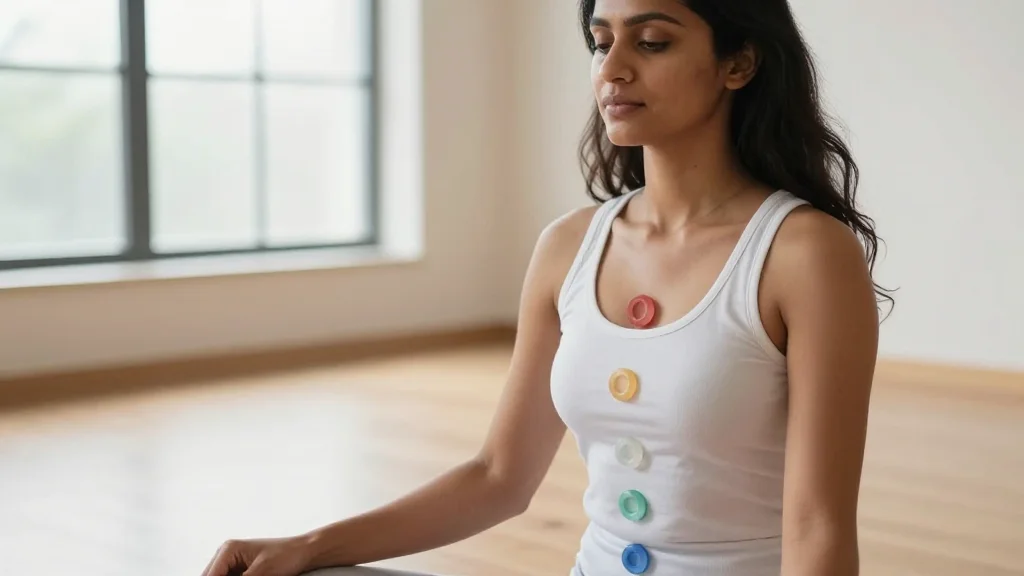
Chakra Meditation Booms in India's Metro Cities, Driven by Gen‑Z Burnout

Why It Matters
The rapid uptake of chakra meditation in India’s metros signals a broader transformation in the country’s wellness ecosystem, where ancient practices are being repackaged for a digitally saturated generation. By catering to Gen‑Z’s mental‑health needs, studios are tapping into a lucrative market while also raising questions about cultural appropriation and the authenticity of commodified spirituality. The trend could reshape how mental‑wellness services are delivered, prompting traditional yoga schools to diversify their offerings and encouraging tech platforms to embed culturally specific meditation content. Moreover, the rise of chakra‑focused studios may influence public health policy, as policymakers grapple with rising anxiety and burnout among young adults. If the practice proves effective in reducing stress markers, it could be incorporated into corporate wellness programs and educational curricula, potentially lowering the societal costs of mental‑health disorders.
Key Takeaways
- •Chakra‑meditation studios are expanding rapidly in Delhi, Mumbai, Bangalore and Hyderabad
- •Gen‑Z cites burnout and digital overload as primary drivers for trying the practice
- •Mindfulness coach Arjun Malhotra highlights the appeal of ‘pausing without guilt’
- •Ancient Hindu chakra concepts are being marketed as modern stress‑relief tools
- •Venture‑backed wellness platforms are planning to add chakra modules to their apps
Pulse Analysis
The surge in chakra meditation reflects a convergence of cultural heritage and market forces that is reshaping India’s wellness landscape. Historically confined to spiritual circles, the practice is now being commodified by boutique studios that package ancient techniques as quick‑fix stress solutions for a hyper‑connected youth. This mirrors global patterns where mindfulness and yoga have been rebranded for mass consumption, yet the Indian context adds a layer of authenticity that foreign providers lack.
From an investment perspective, the trend offers a clear entry point for both brick‑and‑mortar operators and digital platforms. Studios benefit from premium pricing for curated experiences, while app developers can leverage the practice’s visual and auditory components to boost user engagement. However, the rapid commercialisation risks eroding the depth of the tradition, potentially leading to consumer fatigue if the offerings become overly homogenised. Companies that balance reverence for the practice’s roots with innovative delivery—such as hybrid in‑person/online programmes or evidence‑based outcome tracking—are likely to sustain growth.
Looking ahead, the durability of the chakra‑meditation boom will hinge on measurable mental‑health outcomes and the ability to integrate the practice into broader wellness ecosystems. If longitudinal studies validate its efficacy, we could see corporate wellness budgets allocating funds specifically for chakra‑based interventions, and insurers considering it a preventive health measure. Conversely, without rigorous validation, the trend may plateau as the novelty wears off. Stakeholders should therefore monitor user retention metrics, clinical feedback, and cultural discourse to gauge whether chakra meditation is evolving from a fleeting fad into a staple of India’s mental‑health toolkit.
Chakra Meditation Booms in India's Metro Cities, Driven by Gen‑Z Burnout
Comments
Want to join the conversation?
Loading comments...