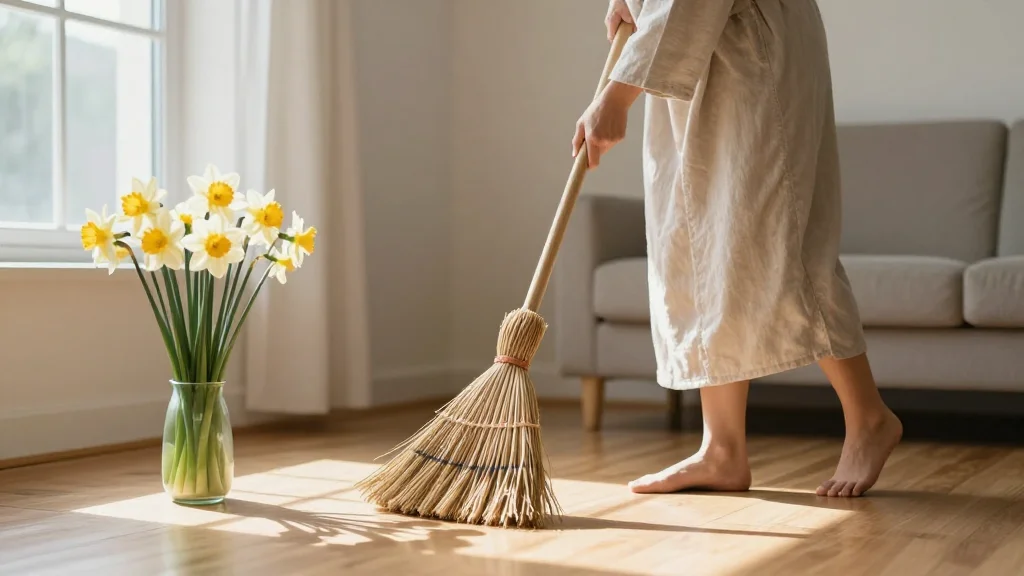
Cleaning Tasks Offer Meditative Boost, Experts Say Amid Spring‑Cleaning Surge

Why It Matters
The framing of household chores as meditation lowers the barrier to entry for mindfulness, potentially expanding the meditation market to millions who have never sat on a cushion. By linking a routine activity to measurable mental‑health outcomes, the narrative validates informal practices and could influence insurance providers, employers, and public‑health campaigns to endorse cleaning‑based mindfulness as a low‑cost stress‑reduction tool. Moreover, the crossover between spiritual traditions and clinical psychology underscores a growing interdisciplinary approach to mental‑wellness. If empirical studies confirm the anecdotal benefits, we may see a shift in how mental‑health professionals prescribe daily habits, integrating cleaning routines into therapeutic plans alongside traditional meditation and exercise.
Key Takeaways
- •Zen monk Shoukei Matsumoto describes cleaning as "Habitat Care" that frees the mind from attachment.
- •Psychologist Holly Schiff links repetitive chores to nervous‑system regulation and a sense of completion.
- •Both experts advise slowing down, focusing on sensory details, and breaking tasks into small steps.
- •Wellness apps and home‑care brands are adding "clean‑room" mindfulness modules in response to the trend.
- •Future research aims to quantify stress‑reduction benefits of routine cleaning as informal meditation.
Pulse Analysis
The convergence of ancient Zen practice and modern clinical insight creates a compelling narrative that could reshape the meditation industry. Historically, mindfulness has been marketed as a specialized skill requiring dedicated time and space. By repositioning a ubiquitous activity—cleaning—as a gateway to the same mental benefits, the industry taps into a latent demand for low‑effort, high‑impact interventions. This democratization mirrors the earlier rise of walking meditation apps, which leveraged everyday movement to broaden user bases.
From a competitive standpoint, established meditation platforms like Headspace and Calm are likely to integrate cleaning‑focused content to retain relevance, while niche players rooted in Buddhist traditions may double‑down on authenticity, offering guided temple‑style cleaning rituals. The trend also opens ancillary revenue streams for home‑care product manufacturers, who can now claim mental‑health benefits on labels, potentially attracting health‑conscious consumers.
Looking ahead, the key variable will be empirical validation. If longitudinal studies demonstrate statistically significant reductions in cortisol or anxiety scores linked to cleaning routines, insurers may begin to reimburse such practices, and employers could incorporate them into wellness programs. Until then, the narrative remains largely anecdotal, but the rapid uptake by media, wellness brands, and the public suggests a cultural shift that could sustain a new sub‑segment of the mindfulness market for years to come.
Cleaning Tasks Offer Meditative Boost, Experts Say Amid Spring‑Cleaning Surge
Comments
Want to join the conversation?
Loading comments...