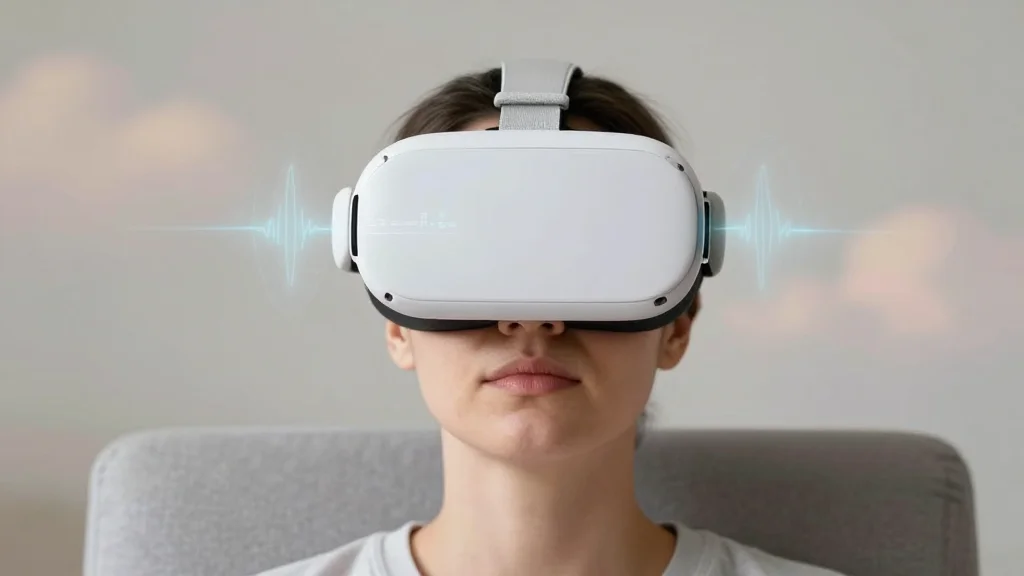
Healium Clinical Secures FDA Registration as Class II Biofeedback Device for Meditation Therapy

Why It Matters
The FDA registration of Healium Clinical marks the first time a meditation‑focused, immersive biofeedback solution has achieved Class II clearance, bridging the gap between consumer wellness tech and clinically validated medical devices. This development could accelerate the adoption of evidence‑based, non‑drug therapies for stress, anxiety and related conditions, offering providers a scalable tool that aligns with emerging reimbursement models for digital health. By establishing a regulatory foothold, Healium also sets a precedent for other VR‑based mental‑health platforms seeking medical device status. The move may prompt faster innovation cycles, tighter integration with health‑system IT infrastructure, and a shift in how insurers evaluate coverage for immersive therapeutic interventions.
Key Takeaways
- •Healium Clinical receives FDA Class II 510(k)-exempt registration, enabling prescription use.
- •Platform combines VR, mixed reality and real‑time biometric feedback for meditation training.
- •Evidence includes nine peer‑reviewed studies and a Mayo Clinic trial showing anxiety reduction.
- •Already deployed in VA hospitals and over 6,000 Veterans of Foreign Wars posts.
- •Regulatory clearance opens pathways for insurance reimbursement and broader clinical adoption.
Pulse Analysis
Healium’s regulatory win arrives at a moment when health systems are actively scouting digital therapeutics to offset rising mental‑health demand and drug‑dependency concerns. The Class II designation not only validates the technology’s safety profile but also unlocks a reimbursement narrative that has been elusive for most VR‑based interventions. Insurers traditionally require FDA clearance to justify coverage, so Healium is now positioned to negotiate contracts that were previously out of reach for pure‑play wellness startups.
Historically, biofeedback devices have been confined to cumbersome lab equipment, limiting patient engagement. Healium’s shift to immersive, cinematic experiences could redefine patient adherence, a key driver of therapeutic efficacy. Competitors that remain in the consumer space may need to pursue similar regulatory pathways or partner with medical‑device firms to stay relevant. The upcoming multi‑site study slated for 2027 will be a litmus test: if outcomes replicate early trial results, we could see a rapid cascade of adoption across surgical, primary‑care and veteran‑health settings.
In the longer term, the FDA registration may catalyze a new category of prescription‑grade meditation tools, prompting standards bodies to formalize efficacy benchmarks for VR‑mediated stress reduction. As providers look to diversify their non‑pharmacological toolkit, the market could witness a wave of investment into hardware‑software bundles that combine biometric sensors with immersive content, reshaping the digital health landscape beyond the traditional app model.
Healium Clinical Secures FDA Registration as Class II Biofeedback Device for Meditation Therapy
Comments
Want to join the conversation?
Loading comments...