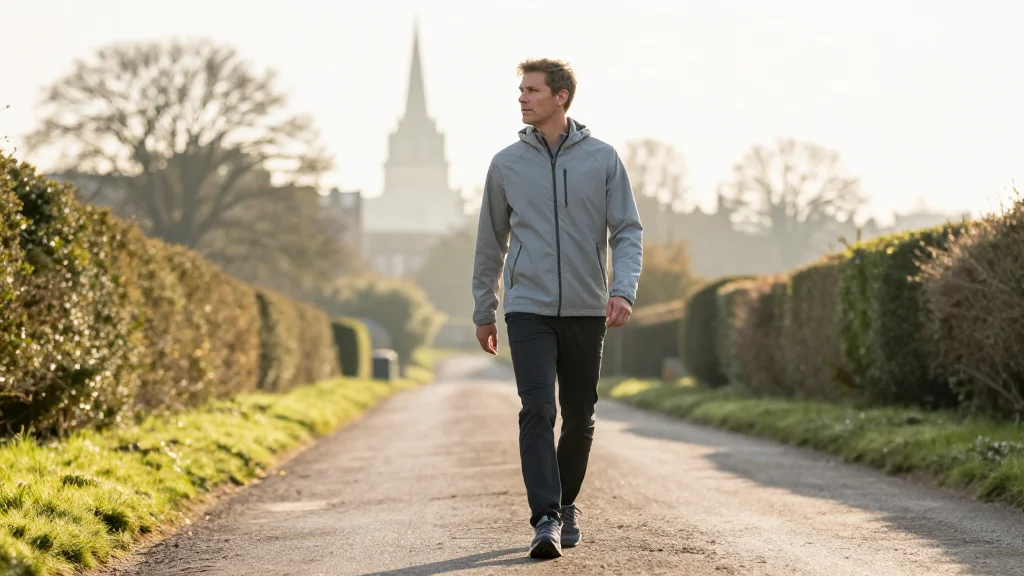
Mindfulness Coach Completes 57‑Mile Silent Walk From London to Cambridge

Why It Matters
The walk underscores a growing appetite for embodied forms of mindfulness that move beyond the seated meditation model popularized by apps and corporate wellness programs. By physically traversing a 57‑mile route in silence, Sandhu demonstrates that mindfulness can be woven into everyday activities, offering a low‑cost, accessible method for stress reduction. The event also spotlights mental‑health awareness at a time when public health systems are grappling with rising anxiety and depression rates, suggesting that simple, community‑driven initiatives could complement clinical interventions. Furthermore, the visibility of the trek—captured by local media and shared on social platforms—creates a narrative that may inspire other practitioners, schools, and employers to experiment with outdoor, movement‑based mindfulness. If such practices gain traction, they could diversify the mindfulness market, encouraging product developers and service providers to design tools that support active, rather than purely sedentary, meditation experiences.
Key Takeaways
- •Bhupinder Sandhu walked 57 miles (92 km) from London to Cambridge in complete silence.
- •The trek lasted 15 hours, beginning at Parliament Square at 20:00 GMT on Saturday.
- •Sandhu used the walk to raise awareness of mindfulness as a mental‑health tool.
- •He has previously completed long‑distance walks for Mind charity, including routes to Edinburgh, Cardiff and Brighton.
- •His next personal challenge is to log one million steps in May.
Pulse Analysis
Sandhu’s silent walk taps into a cultural moment where mindfulness is shedding its stereotype as a quiet, indoor activity. The rise of outdoor, movement‑based practices aligns with research showing that aerobic exercise combined with focused attention can produce greater reductions in cortisol levels than either activity alone. This convergence creates a niche for wellness brands to develop hybrid offerings—think guided walking meditations, GPS‑tracked mindfulness routes, and community challenge platforms—that blend the accessibility of walking with the structured guidance of digital apps.
Historically, mindfulness entered mainstream Western consciousness through seated meditation programs in corporate settings. Over the past decade, however, there has been a noticeable pivot toward ‘embodied’ practices, from yoga to mindful running. Sandhu’s high‑visibility trek amplifies this trend, offering a narrative that is both personal and scalable. If organizations can harness this momentum, they may see higher engagement rates among participants who find static meditation sessions less appealing.
Looking forward, the key question is whether isolated events like Sandhu’s can translate into sustained behavioral change. Success will likely depend on partnerships between mindfulness leaders, local governments, and health agencies to create infrastructure—safe walking paths, public signage, and community groups—that support regular embodied practice. Should these collaborations materialize, the mindfulness market could expand beyond the $4 billion app segment into a broader ecosystem of experiential wellness, reshaping how mental‑health support is delivered at the community level.
Mindfulness Coach Completes 57‑Mile Silent Walk from London to Cambridge
Comments
Want to join the conversation?
Loading comments...