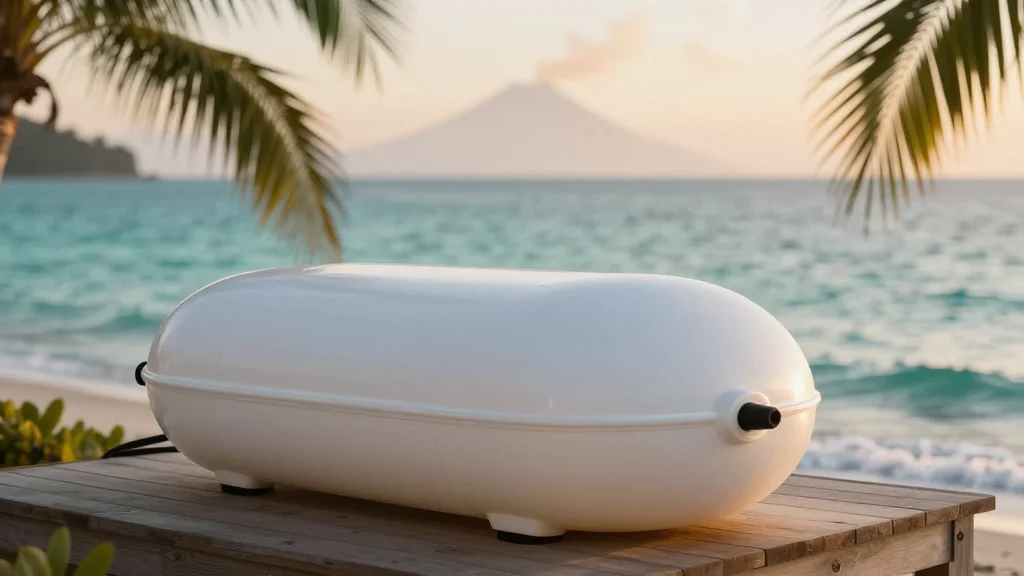
Mobile Flotation Tanks Deployed to Maui for PTSD Relief After Bushfires

Why It Matters
The Maui initiative bridges the gap between meditation practices and emergency mental‑health care, offering a scalable, low‑tech solution that could be replicated in disaster zones worldwide. By validating the therapeutic impact of flotation tanks in a real‑world crisis, the project may accelerate funding and research into other meditation‑related technologies, from VR mindfulness to biofeedback wearables. Beyond immediate relief, the deployment challenges traditional notions of how and where meditation can be practiced. It moves meditation out of studios and into mobile units that travel to where trauma occurs, potentially democratizing access for underserved populations and reshaping public‑health strategies for post‑disaster recovery.
Key Takeaways
- •Maui County officials introduced mobile flotation‑tank units after recent bushfires (May 23, 2026).
- •Flotation tanks provide a sensory‑deprivation environment to enhance meditation and reduce PTSD symptoms.
- •Hawaii health officials estimate up to 15 % of bushfire survivors may develop PTSD.
- •Pilot aims to collect outcome data for potential replication in other disaster‑prone regions.
- •Success could attract private and public funding for broader meditation‑based disaster response.
Pulse Analysis
The Maui flotation‑tank deployment is a micro‑test of a larger trend: embedding meditation‑derived therapies within public‑health emergency responses. Historically, disaster relief has focused on physical needs—shelter, food, medical care—while mental‑health services lag behind due to resource constraints and stigma. The low‑cost, portable nature of flotation tanks offers a pragmatic bridge, allowing responders to deliver a scientifically backed, non‑pharmacological intervention without the infrastructure of traditional clinics.
From a market perspective, the move could unlock a new niche for wellness hardware manufacturers. Companies that have previously catered to boutique spa markets now have a potential government or nonprofit customer base, which could drive volume sales and justify further R&D into ruggedized, transport‑ready designs. Investors watching the space may view this as a proof‑point for scaling meditation‑tech beyond consumer apps into institutional settings.
However, the initiative also raises questions about efficacy and equity. While early studies suggest benefits, the evidence is still emerging, and large‑scale, randomized trials are scarce. Policymakers will need robust data to justify allocating scarce disaster funds to such interventions. Moreover, ensuring that the therapy reaches the most vulnerable—those without internet access or who are distrustful of formal mental‑health services—will require culturally sensitive outreach and trained facilitators. If the Maui pilot can demonstrate measurable improvements in PTSD outcomes and a clear cost‑benefit profile, it could set a precedent for integrating meditation‑based tools into the standard disaster‑response playbook, reshaping how societies address the invisible wounds of catastrophe.
Mobile Flotation Tanks Deployed to Maui for PTSD Relief After Bushfires
Comments
Want to join the conversation?
Loading comments...