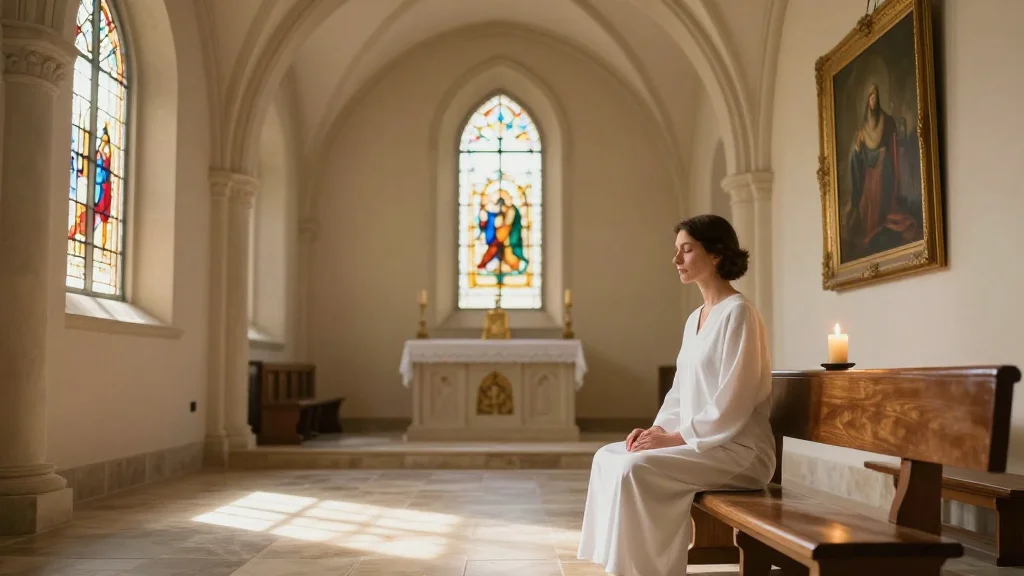
Notre Dame Offers Free Visio Divina Sessions, Merging Art and Meditation

Why It Matters
Visio Divina represents a convergence of religious tradition, visual culture, and contemporary wellness, offering a template for how institutions can broaden the appeal of meditation beyond secular formats. By framing meditation within the context of sacred art, Notre Dame taps into a niche that resonates with individuals seeking spiritual depth alongside mental‑health benefits. This approach could inspire other museums, universities, and faith communities to develop similar programs, potentially reshaping the meditation market to include more culturally rooted practices. The event also raises questions about accessibility and inclusivity in faith‑based meditation. While the open‑door policy aims to welcome all, the explicitly Christian framing may limit participation for some. Future iterations that incorporate interfaith perspectives or secular interpretations of visual contemplation could expand the practice’s reach, fostering a more diverse meditation ecosystem.
Key Takeaways
- •May 5, 2026: Notre Dame hosts a free 30‑minute Visio Divina session at the Raclin Murphy Museum of Art.
- •Visio Divina is an ancient Christian practice that uses sacred images for guided meditation.
- •The event is open to the public, emphasizing inclusivity and spiritual engagement.
- •Growing interest in art‑based meditation reflects a shift toward culturally rooted wellness experiences.
- •Future sessions will rotate artworks and feature guest facilitators from theological and artistic fields.
Pulse Analysis
The Notre Dame Visio Divina event signals a subtle but meaningful pivot in the meditation industry toward experiential, place‑based practices. Historically, meditation has been dominated by secular, app‑driven formats that prioritize convenience over context. By situating meditation within a chapel surrounded by sacred art, Notre Dame reintroduces the concept of environment as a catalyst for inner stillness. This could prompt wellness providers to reconsider the role of physical space, potentially leading to collaborations with galleries, historic sites, and religious institutions.
From a market perspective, the integration of contemplative art offers a differentiator for cultural venues competing for foot traffic in an increasingly digital world. Museums that can package their collections as therapeutic assets may attract new demographics, including older adults and individuals seeking holistic health solutions. Moreover, the academic backing from Notre Dame’s research arm adds credibility, opening doors for longitudinal studies that could quantify the mental‑health benefits of sacred‑art meditation. Such data would be valuable for insurers and employers looking to incorporate evidence‑based wellness programs.
Looking forward, the success of this pilot could catalyze a broader ecosystem of hybrid meditation offerings. We may see a rise in “meditation tours,” where participants move through curated visual narratives while guided by mindfulness instructors. The challenge will be balancing religious authenticity with universal accessibility, ensuring that the practice does not become siloed within a single faith tradition. If navigated thoughtfully, Visio Divina could become a template for inclusive, culturally rich meditation experiences that expand the definition of wellness beyond the screen.
Notre Dame Offers Free Visio Divina Sessions, Merging Art and Meditation
Comments
Want to join the conversation?
Loading comments...