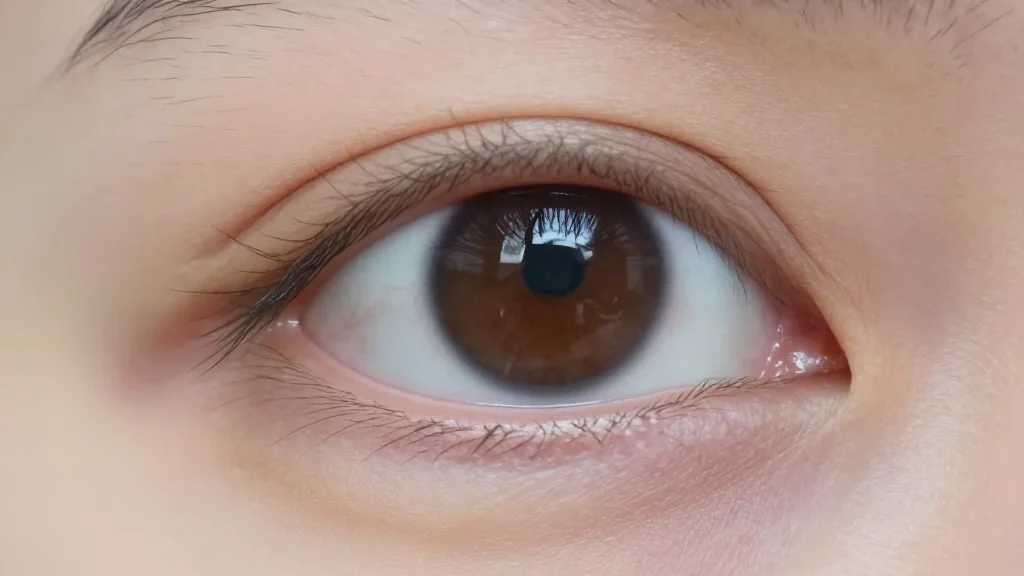
People with Social Anxiety Scan Moving Faces Differently than Others
Why It Matters
Dynamic facial displays expose hypervigilant scanning in social anxiety, offering a more sensitive tool for research and potential clinical assessment. This insight could refine diagnostic protocols and therapeutic interventions targeting attentional bias.
Key Takeaways
- •Socially anxious participants detected 25% sadness faster than controls
- •Dynamic videos elicited more fixations but shorter durations for anxious group
- •Static images required more total fixations across both groups
- •Hypervigilant scanning suggests discomfort with shifting facial cues
- •Study highlights need for dynamic stimuli in anxiety research
Pulse Analysis
The shift from static photographs to animated facial expressions marks a pivotal evolution in social‑anxiety research. Traditional studies relied on still images that capture a single emotional snapshot, often overlooking the fluid nature of real‑world interactions. By morphing neutral faces into emotions over two seconds, the Brazilian team created a controlled yet realistic stimulus that mirrors everyday social exchanges, allowing researchers to observe how subtle motion influences perception and threat detection.
Eye‑tracking data revealed a striking contrast between the two groups. When viewing static images, participants from both cohorts made numerous, longer fixations, suggesting a piecemeal effort to decode emotion. In the dynamic condition, however, socially anxious individuals exhibited a hypervigilant pattern: they generated a higher count of brief fixations, rapidly scanning the face without lingering. This scattered gaze likely reflects an instinctive strategy to gather maximal visual information while avoiding prolonged exposure to potentially threatening cues, aligning with clinical theories of threat overestimation.
These findings carry practical implications for both experimental design and clinical practice. Incorporating dynamic facial displays can unmask attentional biases that static tests miss, improving the ecological validity of diagnostic tools. Moreover, the hypervigilant eye‑movement signature could serve as an objective biomarker for social‑anxiety severity, guiding personalized interventions such as attention‑bias modification training. Future studies should expand gaze‑mapping to specific facial regions and test more naturalistic videos, thereby bridging laboratory insights with real‑world therapeutic applications.
People with social anxiety scan moving faces differently than others
Comments
Want to join the conversation?
Loading comments...