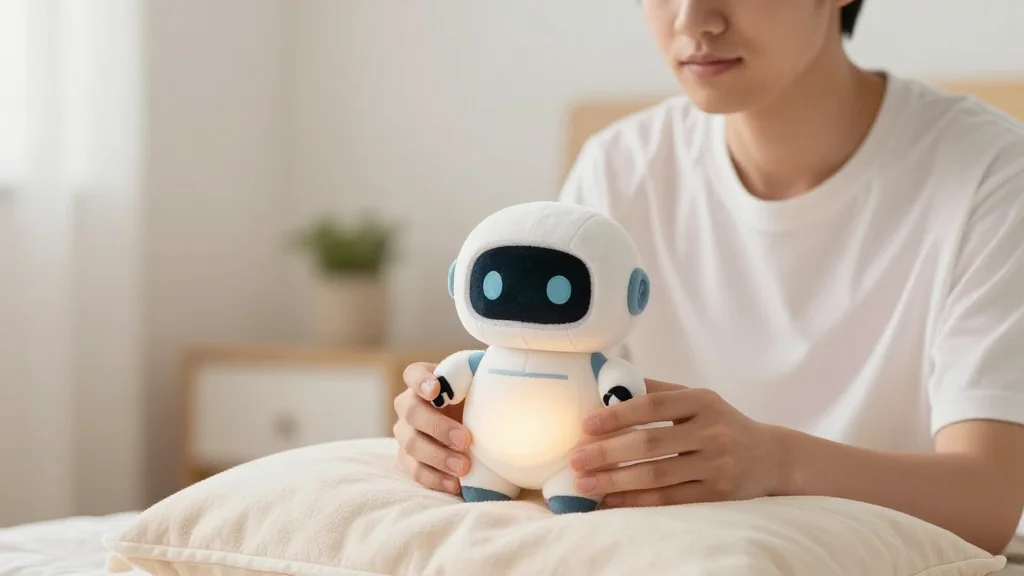
Purrble Robot Boosts Emotion Regulation for LGBTQ+ Youth in First Randomized Trial

Why It Matters
The trial highlights a shift toward embodied, technology‑driven tools that complement mindfulness training, offering LGBTQ+ youth a discreet way to self‑soothe between sessions. By translating physiological cues into tactile feedback, Purrble expands the definition of meditation beyond seated practice, making emotional regulation more accessible in everyday contexts. If validated, such devices could reshape how mental‑health providers prescribe mindfulness‑based interventions, integrating physical objects that reinforce breath and body awareness. This could lower dropout rates for meditation programs, especially among populations that find traditional apps impersonal or triggering.
Key Takeaways
- •Randomized controlled trial evaluated Purrble robot with LGBTQ+ youth 16‑25
- •Device uses sensor‑driven vibrations to mirror and then slow user’s arousal
- •Safety planning and weekly monitoring ensured participant protection
- •Preliminary results indicate improved down‑regulation of distress
- •Potential to integrate robot‑based soothing with existing mindfulness curricula
Pulse Analysis
The Purrble trial arrives at a moment when digital mental‑health solutions are proliferating, yet many users report fatigue with screen‑based apps. By offering a haptic, non‑screen experience, Purrble taps into a niche that bridges the gap between high‑tech interventions and the tactile simplicity of traditional meditation objects like prayer beads or weighted blankets. This hybrid approach could attract users who are skeptical of data‑driven platforms but still seek evidence‑based support.
From a market perspective, socially assistive robots occupy a gray area between consumer electronics and medical devices. Early adoption will likely depend on clear clinical evidence and favorable reimbursement policies. The trial’s rigorous safeguarding protocol sets a precedent for future studies, demonstrating that safety can be built into tech‑enabled interventions without compromising user autonomy. Should larger trials confirm efficacy, we may see insurers covering robot‑based tools alongside mindfulness apps, creating a tiered ecosystem of low‑cost, high‑touch solutions.
Looking ahead, the integration of Purrble‑style devices with mindfulness curricula could foster a new sub‑genre of embodied meditation, where physical interaction reinforces breath work and attention training. Researchers will need to explore how such tools interact with diverse cultural practices and whether they can be customized for different age groups or neurodiverse populations. The upcoming data releases will be a litmus test for whether the promise of socially assistive robots translates into scalable, sustainable mental‑health outcomes.
Purrble Robot Boosts Emotion Regulation for LGBTQ+ Youth in First Randomized Trial
Comments
Want to join the conversation?
Loading comments...