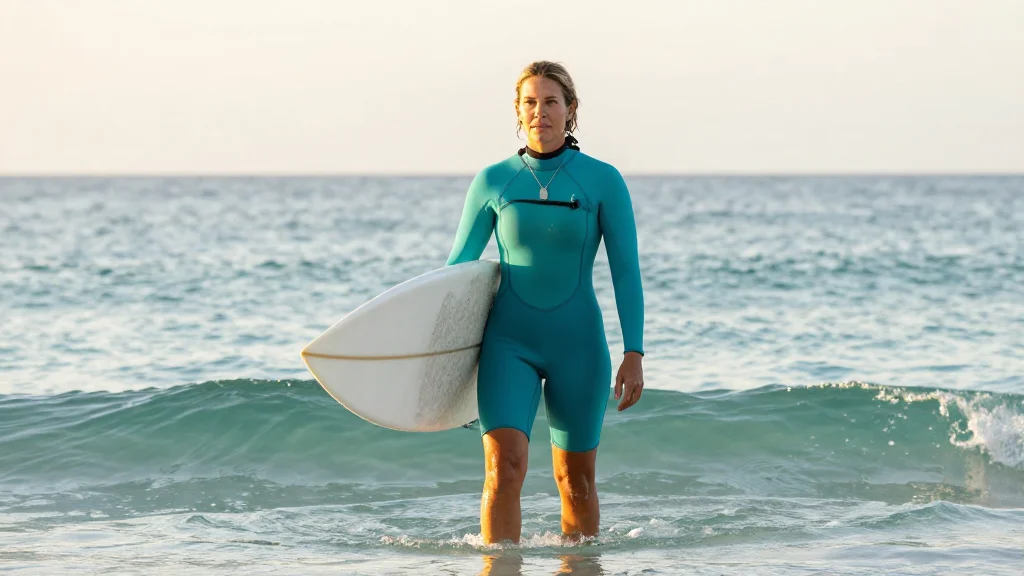
Queensland Unveils First‑Ever Surf Therapy Retreat for Female Veterans

Why It Matters
Surf therapy represents a growing segment of the meditation and mindfulness ecosystem that leverages embodied movement to trigger neurobiological pathways associated with stress reduction. For female veterans—who often face gender‑specific trauma and limited peer networks—the program offers a culturally resonant alternative to clinic‑based care, potentially improving treatment adherence and outcomes. Moreover, the Queensland model could serve as a template for other regions seeking to diversify mental‑health offerings beyond seated meditation, aligning with broader public‑health goals of expanding access to holistic therapies. By linking Australian veterans with international counterparts through the Women Veterans SURF Project, the retreat also fosters cross‑border knowledge exchange, accelerating research on how ocean‑based activities complement traditional mindfulness practices. If successful, the approach could influence policy, prompting governments to allocate resources toward outdoor, experiential interventions as part of veteran health portfolios.
Key Takeaways
- •Queensland launched the first Australian surf‑therapy retreat for female veterans in March at Mudjimba Beach.
- •Program combines surfing, mindfulness techniques and peer support to address PTSD and trauma.
- •Organizer Tammy Grant, a former army medic, draws on personal experience and a postgraduate mental‑health degree.
- •Participant Hannah Jagger described the retreat as "life‑changing" and highlighted the value of veteran camaraderie.
- •Plans are underway to expand the model statewide and integrate it into a national network of nature‑based mental‑health services.
Pulse Analysis
The Queensland surf‑therapy retreat underscores a shift in the meditation market toward embodied, experiential formats. Traditional mindfulness has long been delivered in seated or low‑impact settings; however, emerging evidence suggests that physical activity—especially in natural environments—can amplify the release of endorphins and activate the parasympathetic nervous system more robustly than static meditation alone. By marrying surf culture with evidence‑based mindfulness, the program taps into a demographic that may view conventional therapy as stigmatized or ineffective.
Historically, veteran mental‑health programs have struggled with engagement, particularly among women who confront both combat‑related trauma and gender‑based challenges such as sexual assault. The Queensland initiative directly addresses this gap by creating a gender‑specific, community‑driven space that validates shared experiences while offering a physically demanding yet therapeutic outlet. This model could catalyze a broader re‑evaluation of how governments fund and design veteran services, encouraging investment in outdoor, skill‑building activities that double as mindfulness practice.
Looking ahead, the success of the Queensland retreat could spur private investors and non‑profits to back similar programs across Australia and beyond. Scaling will require standardized curricula, trained surf‑instructors with mental‑health credentials, and robust outcome measurement to satisfy both clinical and funding stakeholders. If these hurdles are cleared, surf‑based mindfulness could become a mainstream component of the mental‑health toolkit, expanding the definition of meditation from a seated practice to a dynamic, nature‑immersive experience.
Queensland Unveils First‑Ever Surf Therapy Retreat for Female Veterans
Comments
Want to join the conversation?
Loading comments...