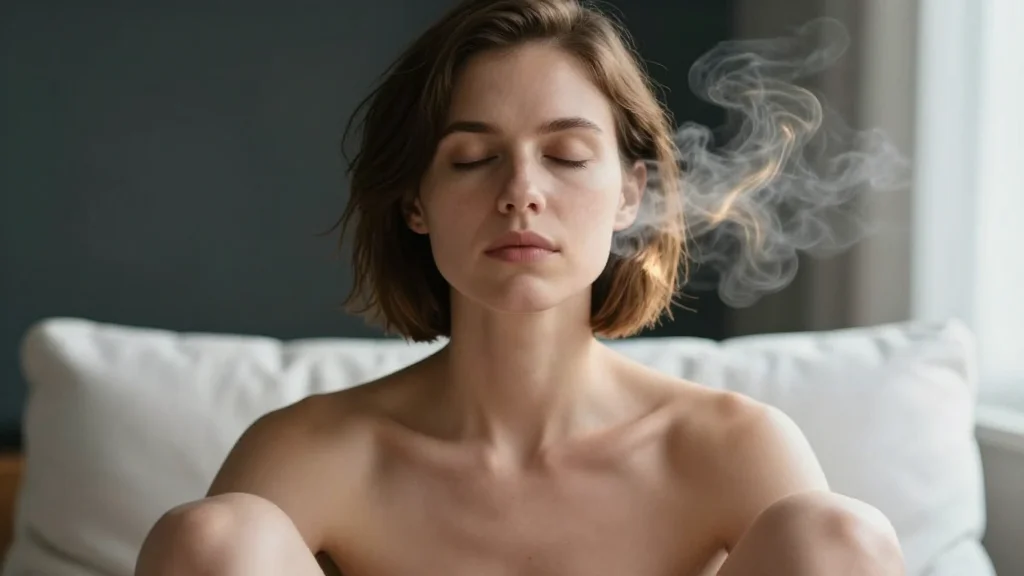
Shilpa Shetty Promotes ‘Bee Breath’ Pranayama Ahead of International Yoga Day

Companies Mentioned
Why It Matters
Shilpa Shetty’s endorsement of Bhramari Pranayama underscores a broader cultural pivot toward bite‑size, evidence‑light meditation tools that can be practiced anywhere. By framing the technique as a mental‑reset rather than a rigorous yoga pose, she lowers the barrier to entry for millions who feel intimidated by traditional yoga classes. This democratization could accelerate adoption rates, especially among younger, time‑pressed demographics, and push wellness brands to prioritize breathwork in product pipelines. The heightened visibility also invites scrutiny from health professionals and regulators. While Shetty avoids making explicit medical claims, the language around “regulating neurotransmitters” may prompt calls for clearer scientific validation. As breathwork moves from niche studios into mainstream media, the industry will need to balance celebrity hype with rigorous research to sustain credibility and long‑term growth.
Key Takeaways
- •Shilpa Shetty posted a video on June 8, 2026 demonstrating Bhramari Pranayama, calling it "one of the most powerful pranayamas."
- •The video has garnered millions of views and sparked a surge in social‑media discussion about breathwork.
- •Google searches for yoga‑related terms rose 22 % in the U.S. over the past year, reflecting growing interest in practices like Bee Breath.
- •Analysts estimate the celebrity‑breathwork niche could add $150 million to the meditation market by 2028.
- •International Yoga Day on June 21, 2026 will feature Bhramari demonstrations, amplifying the technique’s exposure.
Pulse Analysis
The Shilpa Shetty moment illustrates how celebrity influence can act as a catalyst for niche wellness practices to break into the mainstream. Historically, yoga’s global expansion hinged on high‑profile ambassadors—think of the 1990s yoga boom driven by Hollywood stars. Today, the digital ecosystem amplifies that effect: a single Instagram post can reach tens of millions instantly, bypassing traditional gatekeepers like studios or publishers. This democratization accelerates adoption but also creates volatility; hype can inflate short‑term interest without guaranteeing lasting habit formation.
From a market perspective, breathwork sits at the intersection of mindfulness, mental‑health tech, and fitness. Companies that have traditionally focused on guided meditation are now integrating breath modules, and hardware manufacturers are exploring haptic feedback devices that mimic the humming vibration of Bhramari. If Shetty’s endorsement translates into measurable upticks in app usage or class bookings, we may see a wave of investment into breath‑centric product lines, potentially reshaping the competitive landscape. However, the sector must navigate regulatory scrutiny, especially as claims about neurotransmitter regulation become more common. Transparent, peer‑reviewed research will be essential to sustain credibility.
Looking ahead, the real test will be whether the Bee Breath moves from a viral moment to a staple in corporate wellness programs and educational curricula. The upcoming International Yoga Day provides a natural laboratory: attendance figures, app analytics, and media coverage will offer concrete data on the technique’s traction. If the numbers hold, Bhramari Pranayama could become a benchmark case of how a single celebrity endorsement reshapes a segment of the meditation industry, setting a template for future collaborations between wellness influencers and the broader health‑tech ecosystem.
Shilpa Shetty Promotes ‘Bee Breath’ Pranayama Ahead of International Yoga Day
Comments
Want to join the conversation?
Loading comments...