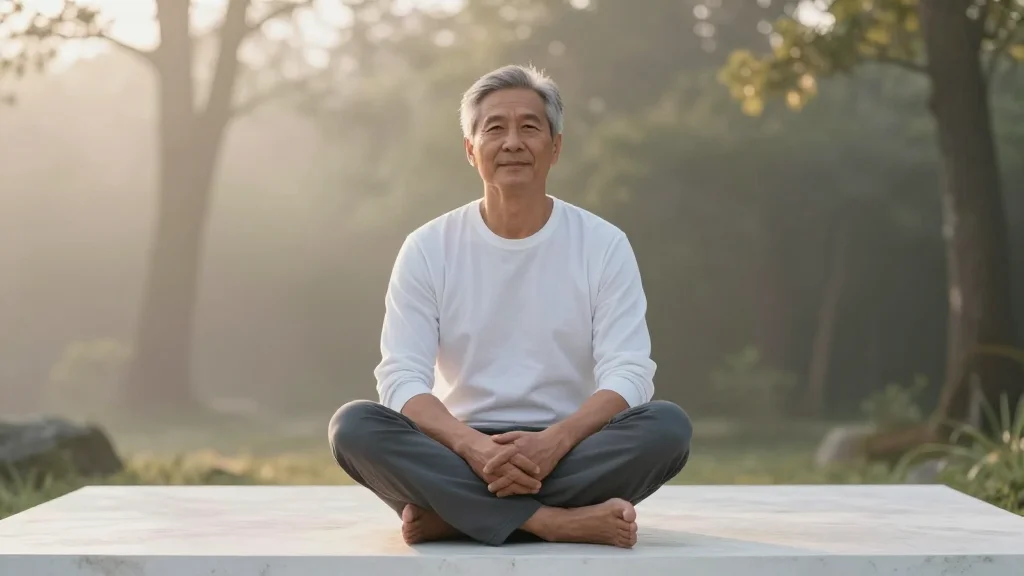
Sri Sri Ravishankar Calls Communication Breakdown Humanity’s Biggest Challenge, Urges Meditation

Why It Matters
Ravishankar’s warning about communication breakdown spotlights a growing societal concern: the erosion of empathy in an era of information overload. By framing meditation as essential mental hygiene, he positions mindfulness as a public‑health tool rather than a niche practice, potentially influencing policy makers, educators, and corporate leaders to embed meditation into daily routines. If his proposed youth programs gain traction, they could create a pipeline of emotionally resilient individuals, mitigating future social tensions. Moreover, the guru’s endorsement of short, daily sessions may lower barriers to entry, encouraging broader adoption across socioeconomic groups and reinforcing the commercial viability of affordable meditation solutions.
Key Takeaways
- •Sri Sri Ravishankar labels communication breakdown the biggest challenge facing humanity.
- •He links rising impulsivity to a loss of "Tapas" (self‑discipline) and weakened brain tolerance.
- •Meditation is described as a daily mental‑hygiene practice, comparable to brushing teeth.
- •The Art of Living’s "bhajan clubbing" initiative replaces alcohol with devotional music in bars.
- •Ravishankar will mark his 70th birthday on May 13 with global meditation events and new youth programs.
Pulse Analysis
Ravishankar’s interview arrives at a crossroads where mindfulness has moved from boutique retreats to mainstream health strategies. Historically, spiritual leaders have framed meditation as a path to personal enlightenment; today, the narrative is shifting toward collective resilience. By invoking neuroscience and the concept of tapas, Ravishankar bridges ancient practice with modern science, a tactic that resonates with both traditional followers and data‑driven wellness consumers.
The guru’s emphasis on brief, daily sessions aligns with the growing popularity of micro‑meditation features in apps like Calm and Headspace, which report higher user retention for short‑form content. This convergence suggests that large‑scale organizations, from corporations to schools, may adopt similar bite‑size curricula, expanding the addressable market for low‑cost digital platforms. However, the success of such integration will depend on measurable outcomes—reductions in workplace conflict, improved academic performance, or lower healthcare costs—areas where rigorous longitudinal studies are still scarce.
Looking forward, the Art of Living’s planned youth outreach could serve as a testbed for scalable mindfulness interventions. If the organization can demonstrate tangible improvements in empathy and conflict resolution among participants, it may attract public‑sector partnerships and grant funding, further legitimizing meditation as a societal safeguard. The upcoming 70th‑birthday events could act as a catalyst, drawing media attention and potentially accelerating policy discussions around mental‑health curricula worldwide.
Sri Sri Ravishankar Calls Communication Breakdown Humanity’s Biggest Challenge, Urges Meditation
Comments
Want to join the conversation?
Loading comments...