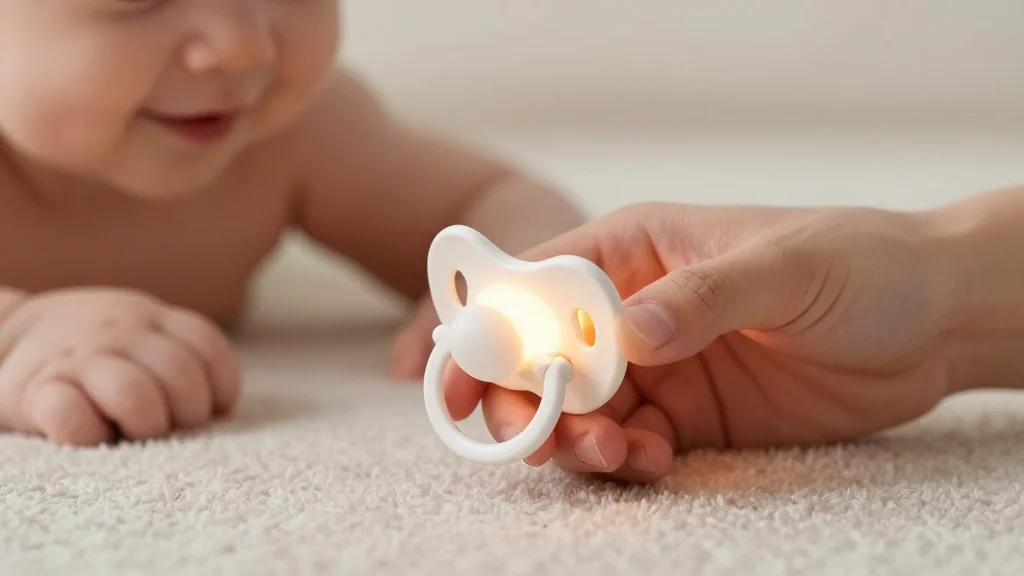
Study Finds Digital Pacifiers Paired with Off‑Screen Routines Cut Child Stress

Why It Matters
The study bridges two often opposing domains—digital technology and mindfulness—by demonstrating that carefully timed, low‑intensity digital tools can enhance, rather than replace, human‑centered stress‑reduction practices. For the meditation industry, this opens a new avenue to integrate tech‑enabled entry points that lead users toward deeper, screen‑free mindfulness experiences. Parents, educators, and clinicians can adopt the hybrid model to address rising childhood anxiety without demanding a total ban on devices, which many families find unrealistic. Beyond individual families, the findings could reshape public‑health recommendations around screen time, shifting the narrative from absolute limits to nuanced, purpose‑driven usage. By validating a data‑backed framework that couples technology with traditional attachment‑based rituals, the research offers a template for future interventions that aim to cultivate emotional resilience from an early age.
Key Takeaways
- •Hybrid approach of digital pacifiers + off‑screen routines cut cortisol by 22% versus digital‑only groups.
- •Heart‑rate variability improved 18% in children and caregivers using the combined method.
- •Study involved 120 child‑caregiver dyads and was published in *Pediatric Research* (April 2026).
- •Digital pacifiers are time‑boxed, low‑stimulus apps designed to precede tactile, shared activities.
- •Researchers plan to test the model with older children and varied digital content such as guided breathing.
Pulse Analysis
The convergence of digital health tools and mindfulness practices marks a subtle but significant shift in how stress‑management is being operationalized for families. Historically, the meditation market has emphasized screen‑free experiences—guided audio, breathwork, and in‑person workshops—while tech firms have pursued standalone wellness apps. This study suggests a hybrid model that leverages the immediacy of digital distraction to prime the nervous system for deeper, analog connection. If adopted at scale, it could create a new product category: short‑burst, purpose‑built digital pacifiers that hand off to caregiver‑led rituals. Companies that can embed biometric feedback (e.g., real‑time heart‑rate monitoring) into these tools may capture a niche that sits between traditional meditation apps and pediatric health devices.
From a competitive standpoint, the findings challenge the binary narrative that screens are inherently detrimental to child development. By providing empirical evidence that limited, intentional digital use can enhance emotional regulation, the research may embolden startups to design ultra‑focused, low‑engagement interfaces rather than the immersive, gamified experiences that dominate the market. Established meditation platforms could partner with pediatric researchers to co‑create content that aligns with the digital pacifier framework, expanding their reach into early childhood markets.
Looking ahead, policy makers and health insurers may view the hybrid approach as a cost‑effective preventive measure. If longitudinal studies confirm lasting benefits—reduced anxiety, better attention spans, and smoother transitions to formal meditation practices—reimbursement models could evolve to cover digital pacifier subscriptions as part of pediatric wellness packages. The key will be rigorous validation and clear guidelines on duration, content, and the mandatory off‑screen component, ensuring that technology remains a bridge, not a barrier, to mindful living.
Study Finds Digital Pacifiers Paired with Off‑Screen Routines Cut Child Stress
Comments
Want to join the conversation?
Loading comments...