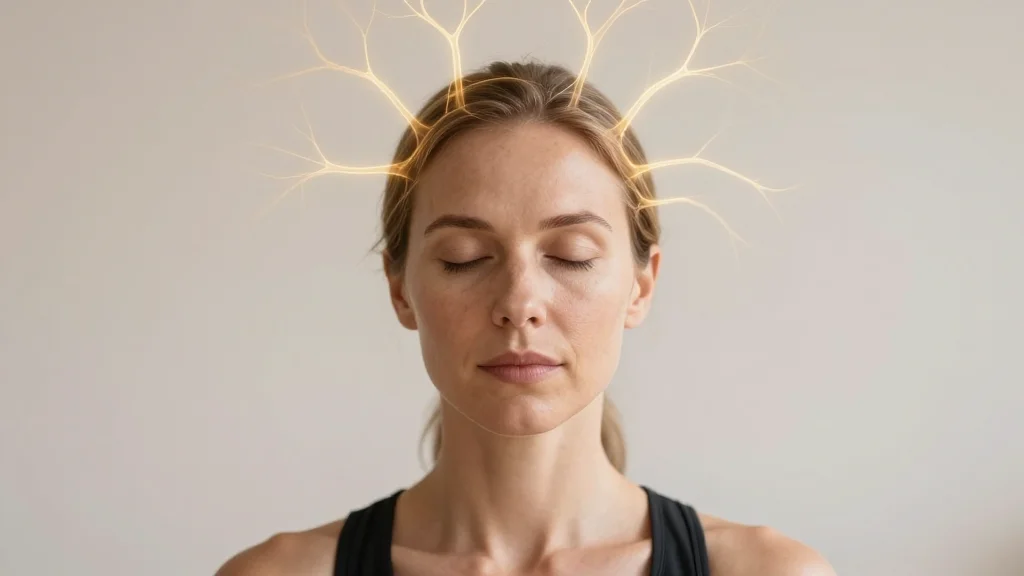
Study Finds Same Neurons Fire When Seeing and Imagining, Boosting Mindfulness Visualization

Why It Matters
The discovery that the brain reuses the same neurons for perception and imagination provides a concrete biological substrate for visualization—a cornerstone of many meditation traditions. By linking a subjective practice to observable neural activity, the study bridges a gap that has long limited scientific endorsement of mindfulness techniques. This could accelerate integration of meditation into mainstream mental‑health treatment, attract funding for neuro‑feedback tools, and inspire new curricula that teach visualization with measurable outcomes. For the meditation industry, the findings offer a marketing advantage: products and programs can now cite peer‑reviewed evidence that the brain’s visual circuitry is directly engaged during guided imagery. At the same time, clinicians must temper enthusiasm with caution, ensuring that claims about therapeutic benefits are grounded in further research that confirms the effect across diverse populations and over longer practice periods.
Key Takeaways
- •~40% of ventral temporal cortex neurons reactivate during imagination, matching visual response strength
- •Study recorded >700 single neurons in 16 epilepsy patients with intracranial electrodes
- •Findings support the neural basis of mindfulness visualization techniques
- •Researchers suggest potential new treatments for PTSD, OCD, and other image‑driven disorders
- •Future work will examine whether long‑term meditators show higher neuron‑overlap rates
Pulse Analysis
The new neural overlap data arrives at a moment when the mindfulness market is maturing from a wellness fad to a clinically vetted intervention. Historically, meditation’s credibility suffered from a lack of hard endpoints; most evidence rested on behavioral scales or functional MRI, which can only infer activity at the regional level. By pinpointing single‑neuron firing patterns that are identical across perception and imagination, the study supplies the kind of granular evidence that can satisfy both neuroscientists and investors.
From a competitive standpoint, the result could shift the balance toward technology‑enabled meditation platforms. Companies developing neurofeedback headsets or AI‑driven guided imagery will now have a clearer target: the ventral temporal cortex’s feature‑specific neurons. If they can demonstrate that their devices increase the proportion of overlapping activity, they will possess a quantifiable metric to differentiate their offerings. Conversely, traditional mindfulness teachers may leverage the findings to reinforce the legitimacy of their practices, arguing that centuries‑old visualization methods are now validated by modern neuroscience.
Looking ahead, the key question is whether the overlap is a static property or a trainable one. If longitudinal studies show that regular visualization practice expands the overlap from 40% toward a higher ceiling, it would suggest neuroplastic enhancement—a powerful selling point for both clinical and consumer markets. Such evidence could also inform regulatory pathways, allowing mental‑health insurers to reimburse visualization‑based therapies backed by neural data. In short, the study not only clarifies how the brain conjures images but also sets the stage for a new era where meditation, neuroscience, and technology converge around a shared, measurable neural code.
Study Finds Same Neurons Fire When Seeing and Imagining, Boosting Mindfulness Visualization
Comments
Want to join the conversation?
Loading comments...