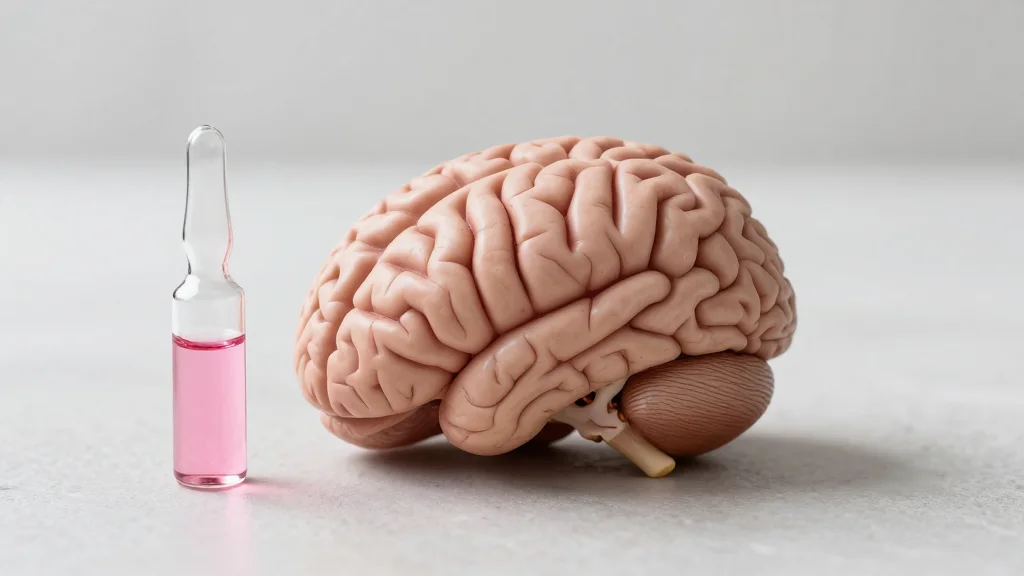
Study Links High Brain Estrogen to Greater PTSD Risk in Women

Why It Matters
The study provides a concrete neurobiological link between hormone levels and the persistence of traumatic memories, addressing a long‑standing question about gender disparities in PTSD prevalence. By identifying estrogen as a modifiable factor, the research could reshape prevention strategies, encouraging early screening for hormonal profiles in high‑risk populations. Moreover, the work underscores the importance of integrating biological data with psychosocial interventions, potentially leading to more personalized and effective mental‑health care. For the meditation and mindfulness community, these insights reinforce the notion that physiological states influence the efficacy of contemplative practices. While the article does not claim direct applications to meditation, understanding the hormonal backdrop of memory formation may guide future studies that examine how breathwork, mindfulness, and stress‑reduction techniques interact with estrogen pathways to alleviate trauma‑related symptoms.
Key Takeaways
- •Study published in *Neuron* shows high hippocampal estrogen amplifies trauma memory encoding.
- •Women are about twice as likely as men to develop PTSD, according to WHO data.
- •Estrogen is produced in the brain of both sexes, making the effect universal but more lasting in females.
- •Concept of "stress load" suggests prior adversity sensitises the brain to new trauma.
- •Findings point to estrogen‑targeted therapies as a possible future avenue for PTSD prevention.
Pulse Analysis
The discovery that endogenous estrogen can act as a double‑edged sword in memory formation reshapes the PTSD narrative that has traditionally focused on external stressors alone. Historically, gender differences in trauma outcomes were attributed to social and cultural factors; this study re‑centers the conversation on a measurable, biological substrate. By situating estrogen within the hippocampal plasticity framework, the research aligns with a broader trend in neuroscience that seeks molecular entry points for mental‑health interventions.
From a market perspective, the results could stimulate interest among biotech firms developing neuro‑hormonal modulators. Companies that have previously targeted estrogen pathways for mood disorders may now explore extensions into trauma‑related conditions, potentially unlocking a new therapeutic niche. At the same time, the findings may influence the design of clinical trials for existing PTSD treatments, prompting stratification by hormonal status or menstrual cycle phase to better capture efficacy signals.
For practitioners of meditation, breathwork, and other contemplative disciplines, the study offers a reminder that the brain’s chemistry is a dynamic backdrop to practice. While the article does not claim direct links, the implication is clear: interventions that can modulate stress hormones—whether through lifestyle, nutrition, or mindfulness—might complement pharmacological approaches. Future research that integrates neuroendocrine monitoring with meditation outcomes could yield hybrid protocols that address both the physiological and experiential dimensions of trauma recovery.
Study Links High Brain Estrogen to Greater PTSD Risk in Women
Comments
Want to join the conversation?
Loading comments...