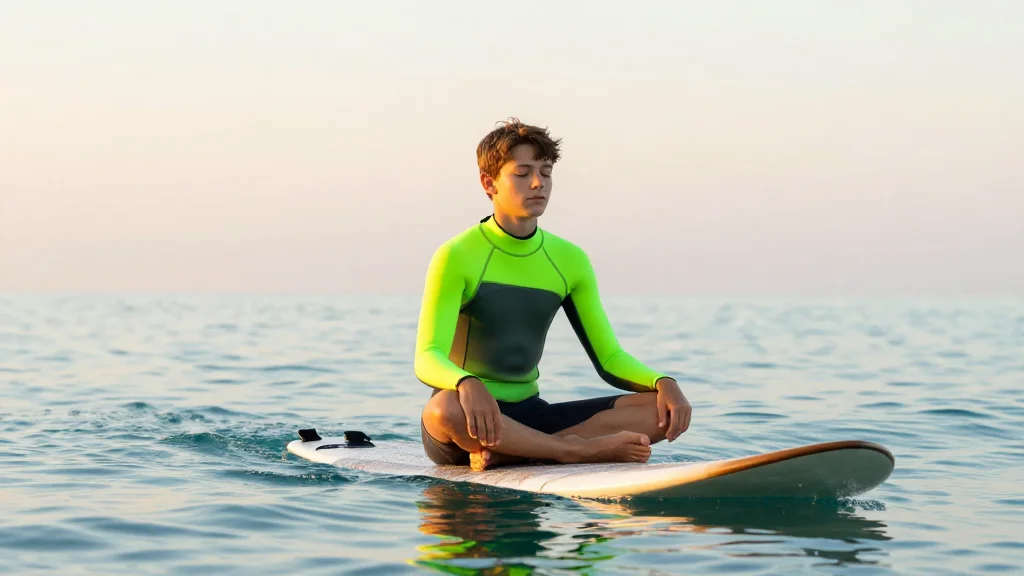
Surf Therapy Proven Effective for Trauma Recovery in New Israeli Report

Why It Matters
The HaGal Sheli report signals a turning point for trauma care by validating a hybrid approach that merges physical activity with mindfulness. In regions where conventional therapy faces cultural or logistical barriers, surf therapy offers an accessible, culturally resonant alternative that engages participants on multiple sensory levels. Moreover, the documented benefits could reshape funding priorities, prompting governments and insurers to allocate resources toward experiential, movement‑based mental‑health programs. Beyond Israel, the model provides a blueprint for other coastal communities grappling with collective trauma, from natural disaster zones to post‑conflict societies. If replicated successfully, surf therapy could become a cornerstone of a broader shift toward embodied mindfulness, expanding the definition of meditation to include dynamic, body‑centered practices.
Key Takeaways
- •HaGal Sheli releases report highlighting surf therapy’s impact on teen trauma
- •Three‑part framework combines surfing, psychoeducation and group work
- •Physical wave riding mirrors mindfulness breath cycles, aiding regulation
- •Report urges longitudinal study and partnership with academic researchers
- •Potential for insurance coverage and scaling to other coastal regions
Pulse Analysis
Surf therapy’s emergence reflects a broader evolution in the meditation market, where static, seated practices are increasingly complemented by kinetic modalities. Historically, mindfulness entered mainstream health care through clinical trials that emphasized breath awareness and body scans. The HaGal Sheli protocol pushes that frontier by embedding mindfulness within a physically demanding sport, thereby recruiting participants who might otherwise reject traditional meditation.
From a competitive standpoint, wellness companies that have built digital meditation platforms are now eyeing partnerships with outdoor activity providers to diversify their offerings. The report’s emphasis on measurable outcomes could serve as a catalyst for data‑driven product development, prompting startups to integrate biometric feedback—such as heart‑rate variability—into surf‑based sessions. This convergence of technology, movement and mindfulness may accelerate a new wave of hybrid services that blur the line between therapy and recreation.
Looking forward, the key challenge will be translating the Israeli model to varied cultural contexts and geographic realities. Scaling surf therapy requires access to safe coastal environments, trained instructors and a framework for integrating mental‑health professionals. If these hurdles are addressed, surf therapy could become a flagship example of how embodied meditation practices expand the therapeutic toolkit, offering a resilient, adaptable solution for trauma‑laden populations worldwide.
Surf Therapy Proven Effective for Trauma Recovery in New Israeli Report
Comments
Want to join the conversation?
Loading comments...