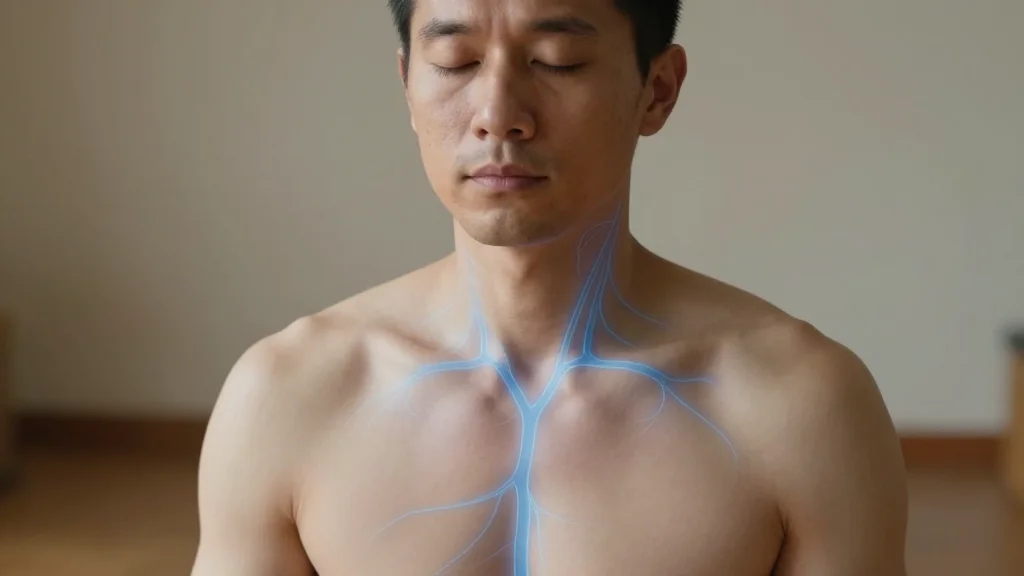
The Dharma of the Nervous System
Why It Matters
Integrating mindfulness with somatic trauma work offers a more complete healing model, expanding tools for clinicians and spiritual practitioners alike. It highlights a growing trend toward evidence‑based, body‑oriented therapies in mental‑health markets.
Key Takeaways
- •Buddhist mindfulness prepares the nervous system for Somatic Experiencing
- •SE treats trauma as autonomic nervous system injury, not just psychology
- •Vocalization and touch practices stimulate the vagus nerve for calm
- •Combining meditation and SE creates a holistic trauma‑resolution pathway
Pulse Analysis
Trauma treatment is shifting from purely cognitive models toward approaches that honor the body’s role in stress and recovery. Buddhist meditation, with its centuries‑old emphasis on breath and bodily sensations, equips practitioners with heightened interoceptive awareness. This mental training aligns naturally with Somatic Experiencing, a modern method that views trauma as a dysregulated autonomic nervous system. By recognizing the physiological roots of suffering, both traditions provide a framework for safely navigating the fight‑flight‑freeze cycle and restoring nervous‑system balance.
Neuroscience confirms that practices like mindful breathing, vocalization, and gentle touch directly engage the vagus nerve and the Social Engagement System, pathways that regulate heart rate, inflammation, and emotional tone. SE’s “renegotiation” technique leverages these mechanisms, allowing the brain to reprocess threat memories while the body releases stored neurochemicals. The article’s three illustrated exercises—voo vocalization, push‑hands gesture, and face‑heart connection—demonstrate low‑cost, easily teachable tools that stimulate parasympathetic activity, reduce sympathetic arousal, and foster a sense of safety. Such embodied interventions are increasingly validated by clinical trials and are being incorporated into psychotherapy curricula.
For the mental‑health industry, the convergence of mindfulness and somatic methods represents a lucrative growth area. Insurance providers and employers are expanding coverage for evidence‑based trauma therapies, while wellness platforms seek differentiated content that blends spiritual depth with physiological efficacy. Practitioners who can integrate Buddhist mindfulness with SE techniques are positioned to meet rising demand for holistic care, improve client outcomes, and differentiate their services in a competitive market. As research continues to map the mind‑body interface, this hybrid model is likely to become a cornerstone of next‑generation trauma treatment.
The Dharma of the Nervous System
Comments
Want to join the conversation?
Loading comments...