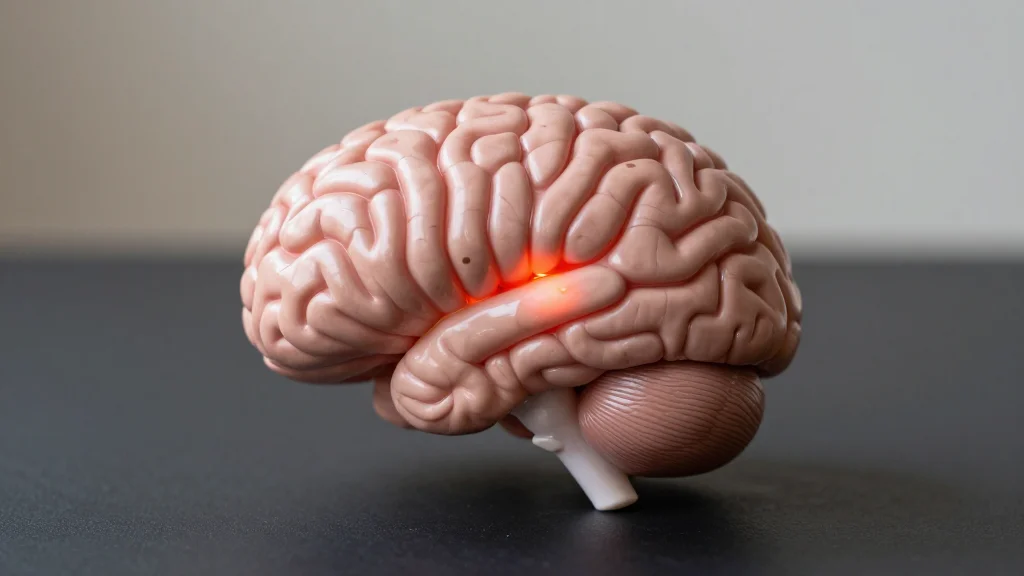
UC Riverside Discovers Brainstem Circuit that Drives Rapid Strategy Switching

Why It Matters
Cognitive flexibility is a cornerstone of effective meditation, allowing practitioners to notice wandering thoughts and return attention without frustration. By isolating the locus coeruleus as a driver of this flexibility, the study provides a tangible link between a centuries‑old contemplative practice and modern neuroscience. This bridge could accelerate the development of objective measures for meditation efficacy and inform new treatments for mental‑health disorders that feature rigid thought patterns. Beyond clinical applications, the findings may influence how meditation programs are designed. If specific breathing or attention techniques are shown to activate the LC, curricula could be refined to maximize neural benefits, offering practitioners a science‑backed pathway to sharper decision‑making and emotional resilience.
Key Takeaways
- •UC Riverside researchers pinpoint the locus coeruleus as essential for rapid strategy switching.
- •Chemogenetic suppression of LC activity in mice impairs rule‑switching performance.
- •LC disruption makes prefrontal cortex activity noisier, reducing signal‑to‑noise ratio.
- •The discovery connects a known meditation target—cognitive flexibility—to a specific neural circuit.
- •Future work will test LC modulation in humans and explore therapeutic applications for ADHD, depression, and OCD.
Pulse Analysis
The identification of the locus coeruleus as a neural switchboard marks a rare convergence of basic neuroscience and the applied world of mindfulness. Historically, meditation research has relied on indirect markers—heart‑rate variability, EEG rhythms, or self‑report scales—to infer brain changes. Yang’s work supplies a concrete anatomical substrate, offering a new axis for measuring the impact of contemplative practices. This could shift the field from correlation to causation, enabling trials that directly assess LC activity before and after mindfulness training.
From a market perspective, the finding may energize both biotech and wellness sectors. Companies developing norepinephrine‑modulating drugs could position their pipelines as complementary to meditation‑based interventions, while digital meditation platforms might integrate neurofeedback that tracks LC‑related signals. Investors are likely to watch for partnerships that bridge pharmacology and mindfulness, a space that has already attracted sizable venture capital.
Looking ahead, the key question is scalability: can the subtle LC dynamics observed in mice be reliably captured in humans using current imaging technologies? If so, the pathway opens for personalized meditation regimens that adapt in real time to an individual's neural state, turning ancient practice into a data‑driven therapeutic tool.
UC Riverside discovers brainstem circuit that drives rapid strategy switching
Comments
Want to join the conversation?
Loading comments...